

The United Nations Independent International Commission of Inquiry on Ukraine has raised concern over the human cost of Russia’s recruitment of foreign nationals into its war against Ukraine, saying recruits have been deceived, coerced, killed, injured or gone missing, leaving families struggling to establish the fate of their loved ones.
This statement echoes a CITE investigation that exposed how Zimbabweans were allegedly recruited to Russia with promises of lucrative civilian employment, only to find themselves deployed to fight in the war.
In a statement released on Monday, the UN Independent International Commission of Inquiry on Ukraine said one of its ongoing areas of investigation was the recruitment of foreign nationals from several countries who ended up serving in the Russian army after they were allegedly deceived by agents and intermediaries.
The recruits were promised civilian jobs and helped to travel to Russia, but were later compelled to sign contracts with the Russian Ministry of Defence, according to the Commission.
On this topic
The vast majority, it said, did not understand Russian or the terms of the contracts before finding themselves on the frontline.
“Many among the recruits died shortly after reaching the frontlines, were reported missing, injured, or were taken prisoners by Ukrainian armed forces,” the Commission said.
Their families were then left thousands of kilometres away, trying to establish what had happened.
“Many among the recruits died shortly after reaching the frontlines, were reported missing, injured, or were taken prisoners by Ukrainian armed forces. Their families have been left in anguish to search from afar for information about the fate of their loved ones, while recruiting agents usually block their calls,” the Commission said.
The Commission said some foreigners already in Russia, including people serving prison sentences, were also allegedly coerced by Russian authorities into fighting in Ukraine.
Zimbabweans caught in the web
The UN statement comes months after CITE exposed a recruitment network targeting Zimbabweans with what appeared to be civilian job opportunities.
The investigation found that prospective recruits were approached through WhatsApp, Facebook and Telegram and offered jobs including firefighting and truck driving.
Some were promised salaries and opportunities that appeared far removed from military service.
But after travelling to Russia, recruits found themselves facing military contracts and deployment to the frontline.
While authorities moved to arrest suspected recruiters, families continued to struggle with another question, that is who would help those already caught in the war.
One Zimbabwean family spent months waiting for the body of a relative who had been recruited to fight for Russia and died there.
His body remained in a Moscow morgue while the family moved between government offices, submitted documents and wrote letters seeking assistance with repatriation.
Despite the government’s acknowledgement of the recruitment problem, families described a fragmented process, with little clarity over who was responsible for bringing their relatives home.
The experience highlighted a gap between arresting suspected recruiters and supporting the people and families left behind.
Read: https://cite.org.zw/zim-
The UN Commission said the consequences of the recruitment extend well beyond the battlefield.
It expressed concern about the “severe physical and psychological harm” and “grave hardships” suffered by victims and their families.
Families of foreign recruits have experienced several consequences that can include months of uncertainty over missing relatives, injuries, captivity or death, often with little information coming from the recruiters who facilitated their travel.
The Commission said it was therefore important to pursue both judicial and non-judicial accountability, alongside support for victims and their families.
The statement comes as the Commission continues investigations into alleged violations of human rights and international humanitarian law in the context of Russia’s aggression against Ukraine.
Its work includes the recruitment of foreign nationals, alongside other aspects of the conflict and its impact on civilians.
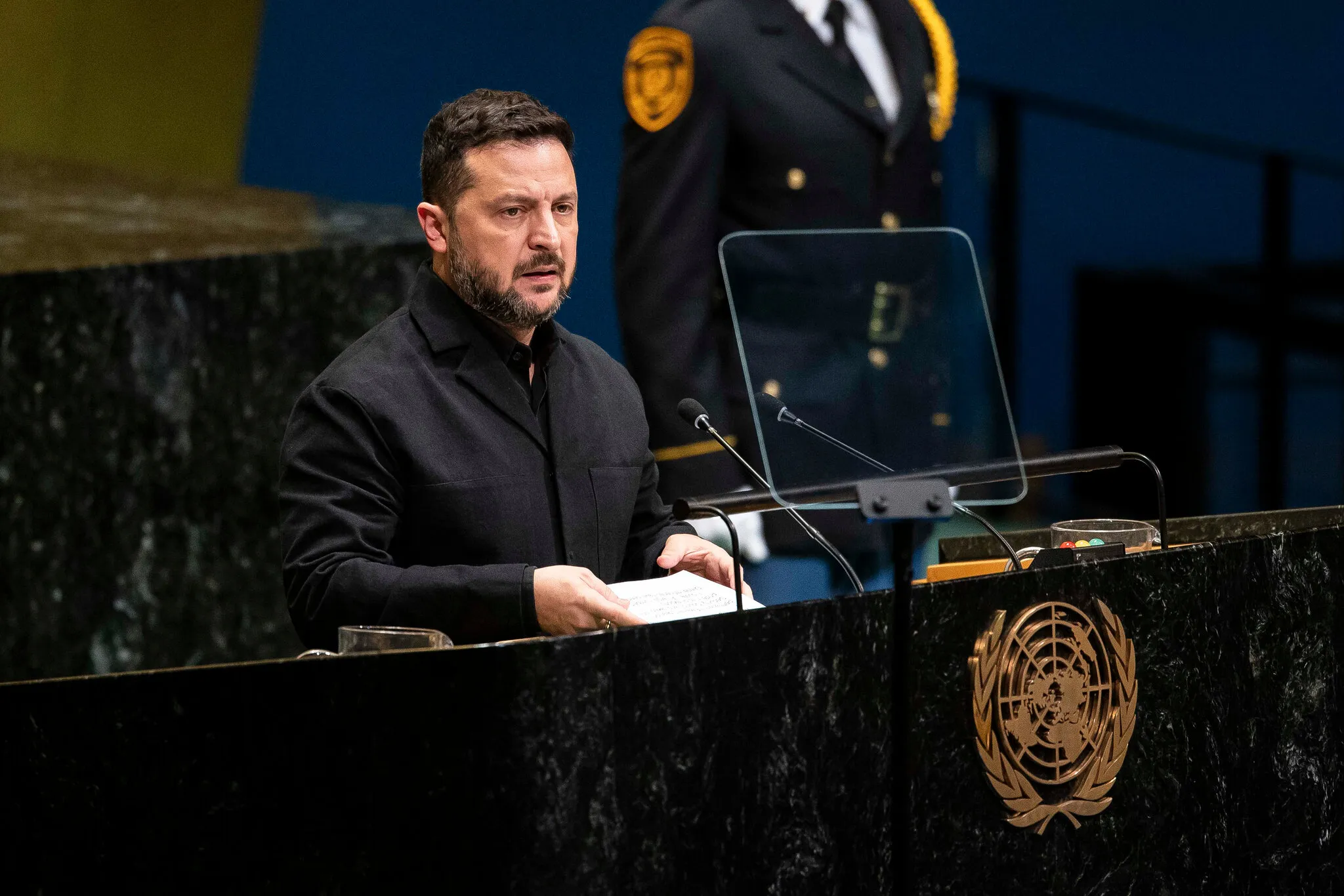
The Commission is expected to present findings from its ongoing investigations to the UN General Assembly’s 81st session in October.






Leave a Reply