
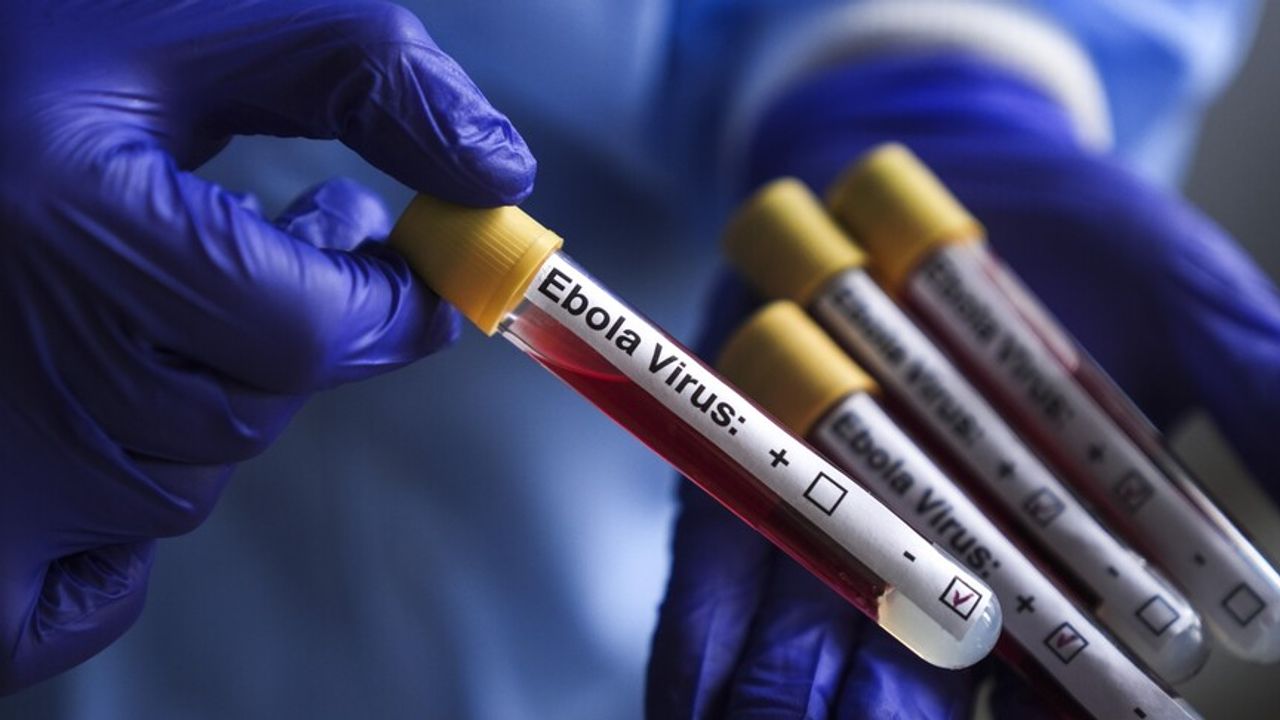
The Ebola outbreak in the Democratic Republic of the Congo (DRC) is outpacing response operations, with the Africa Centres for Disease Control and Prevention (Africa CDC) and the World Health Organization (WHO) calling for an urgent scale-up of efforts to contain transmission.
As of August 4, the DRC had recorded 3,973 confirmed Ebola cases, 1,801 deaths and 776 recoveries across 51 health zones in five provinces.
In the latest 24-hour reporting period, 99 new confirmed cases and 52 deaths were recorded, highlighting the growing gap between the pace of transmission and the capacity of response teams.
“In some areas of eastern DRC, the Ebola outbreak is outpacing our response, making it imperative that we rapidly scale up every aspect of our efforts to contain it,” WHO Director-General Dr Tedros Adhanom Ghebreyesus said.
On this topic
The warning followed a joint high-level mission by Africa CDC and WHO to Uganda and the DRC on August 4 and 5 to assess the response and identify critical operational gaps.
Contact follow-up stood at 75 percent, below the operational target of at least 95 percent needed to rapidly identify transmission chains and detect new cases among known contacts.
The response is also facing severe pressure on treatment capacity, with 674 people under care and treatment-centre occupancy in North Kivu reaching 139 percent.
Africa CDC and WHO called for urgent expansion of treatment, laboratory, ambulance and safe and dignified burial capacity, as well as stronger infection prevention and control in health facilities.
They also urged authorities to bring testing, referral, isolation and treatment services closer to affected communities, while ensuring frontline health workers are protected, equipped and paid on time.
The mission found that insecurity, population movement, poor road access, misinformation, shortages of essential supplies and resistance to some response activities were slowing operations.
Africa CDC Director-General Dr Jean Kaseya said communities must be at the centre of the response.
“Containing and ultimately stopping this outbreak will come from communities. It is important to have trusted information, early reporting mechanisms and access to care without fear,” he said.
The organisations said Uganda’s successful containment of its outbreak demonstrated the importance of early detection, rapid contact tracing, coordinated action and community engagement.
They called for faster release of funding, stronger cross-border surveillance and improved regional preparedness, warning that neighbouring countries remain at risk while transmission continues in the DRC.






Leave a Reply