
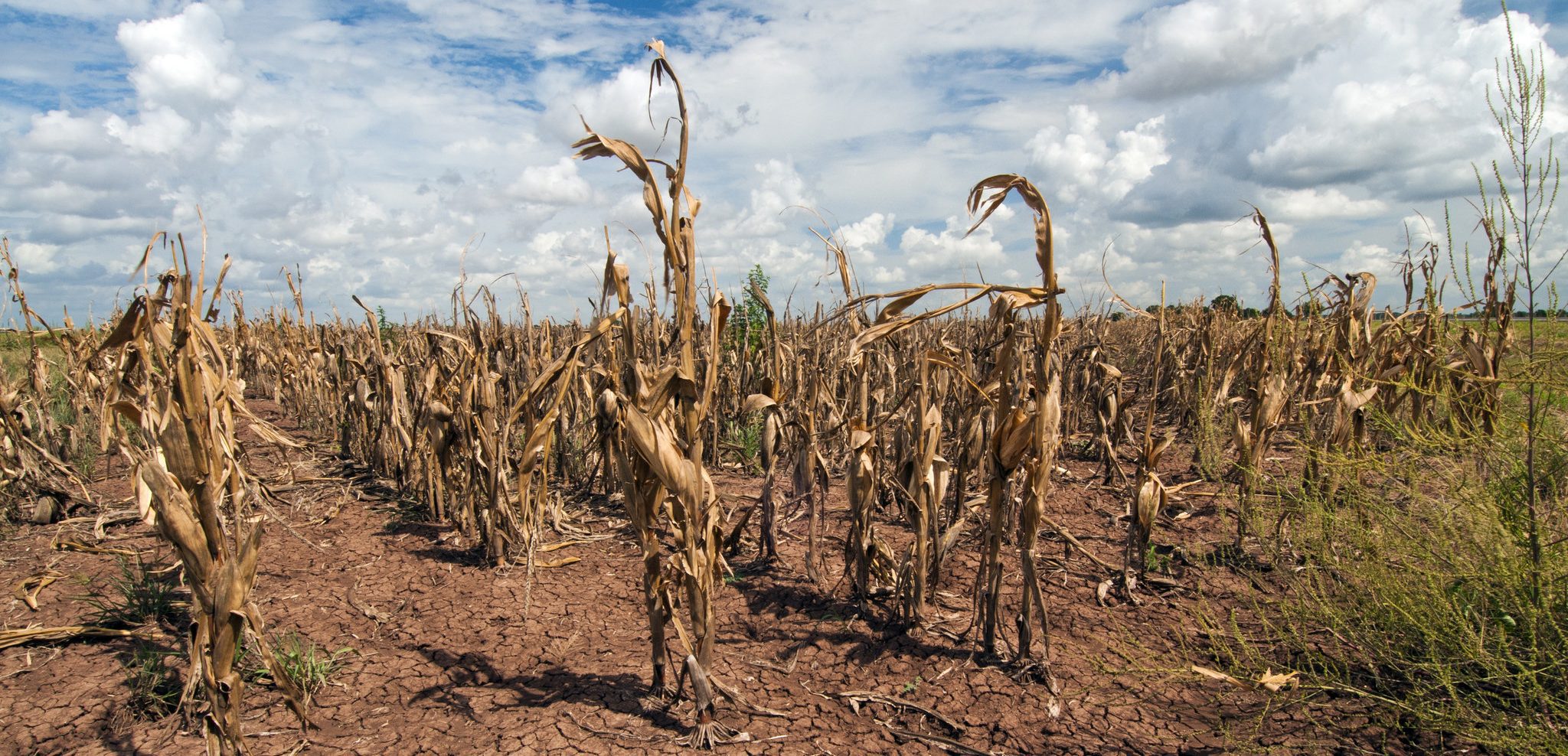
The government has approved a raft of measures to protect national food security amid a possible Super El Niño-induced drought during the 2026/27 agricultural season.
Speaking during a post-Cabinet briefing, Information, Publicity and Broadcasting Services Minister Soda Zhemu said Cabinet had approved the 2026/27 Summer Crops, Horticulture, Fisheries and Livestock Production Plan, presented by Vice President Constantino Chiwenga in his capacity as chairperson of the Cabinet Committee on Food Security and Nutrition.
Zhemu said the production plan was crafted against the backdrop of “unprecedented compound pressures”, including an 80% probability of a Super El Niño-induced drought, as well as rising fuel and fertiliser prices.
The Meteorological Services Department recently issued its earliest preliminary climate warning after global forecasting centres indicated a very high probability that El Niño conditions would develop during the 2026/27 rainy season.
On this topic
The department warned that current global models show an 88% to 94% chance of El Niño formation, a climate phenomenon historically associated with below-normal rainfall across Zimbabwe and much of Southern Africa.
The warning has placed agriculture, water supply systems, energy generation and broader economic planning under renewed scrutiny months before the next rainfall season begins.
Zhemu said Cabinet had adopted several interventions to strengthen the country’s preparedness and resilience.
“Among the measures adopted are the implementation of an enhanced Strategic Grain Reserve purchasing system and the utilisation of new artificial intelligence-powered silos to strengthen the Strategic Grain Reserve through strategic grain purchases,” he said.
He added that the government would accelerate climate-smart agriculture interventions, including irrigation development and agro-ecological tailoring, while sustaining the Presidential Input Programme and grain collection initiatives.
“Cabinet also approved the strengthening of early warning and advisory systems, enhancement of farmer education and extension services capacity, expediting the commissioning of the Sable Chemicals ammonium nitrate plant, activating the Africa Risk Capacity sovereign insurance policy to cover drought-related losses, and facilitating the duty-free importation of fertiliser,” he said.
Meanwhile, the government expects to maintain adequate grain reserves following a strong 2025/26 summer agricultural season.
Zhemu said Cabinet had also received and approved an update on the 2025/26 Summer Crops Marketing and 2026 Winter Production Plan presented by the Minister of Agriculture, Mechanisation and Water Resources Development, Dr Anxious Jongwe Masuka.
“Based on the Second Round Crop, Livestock and Fisheries Assessment Report, the country is expecting a surplus strategic grain reserve ranging between 550,945 metric tonnes and 964,945 metric tonnes,” said Zhemu.
He said grain stocks held by the Grain Marketing Board as of June 3, 2026, stood at 156,603 metric tonnes, while an additional 70,865.6 metric tonnes of third-party grain stocks were being stored following the completion of AI-powered silos and the introduction of commercial storage services.
According to the update, 1.93 million hectares of maize had been harvested, yielding 2.82 million metric tonnes. Sorghum production reached 323 002 metric tonnes from 528 076 hectares harvested, while soybean output stood at 119 067 metric tonnes.
“As of June 3, 2026, a total of 127 214 metric tonnes of crops comprising maize, soybean, sorghum and sunflower had been formally marketed, compared to 78 265 metric tonnes during the same period in 2025, representing a 63% increase,” said Zhemu.
On winter cropping, he said 113,503 hectares had been planted under wheat, representing 91% of the targeted 125 000 hectares, while 7,000 hectares had been contracted for barley production.
Zhemu added that Irish potato production was projected at 243 850 metric tonnes from 9 000 hectares planted, with yields expected to improve to 28 tonnes per hectare from 26 tonnes per hectare recorded last year.
Support CITE’s fearless, independent journalism. Your donation helps us amplify community voices, fight misinformation, and hold power to account. Help keep the truth alive. Donate today








Leave a Reply