
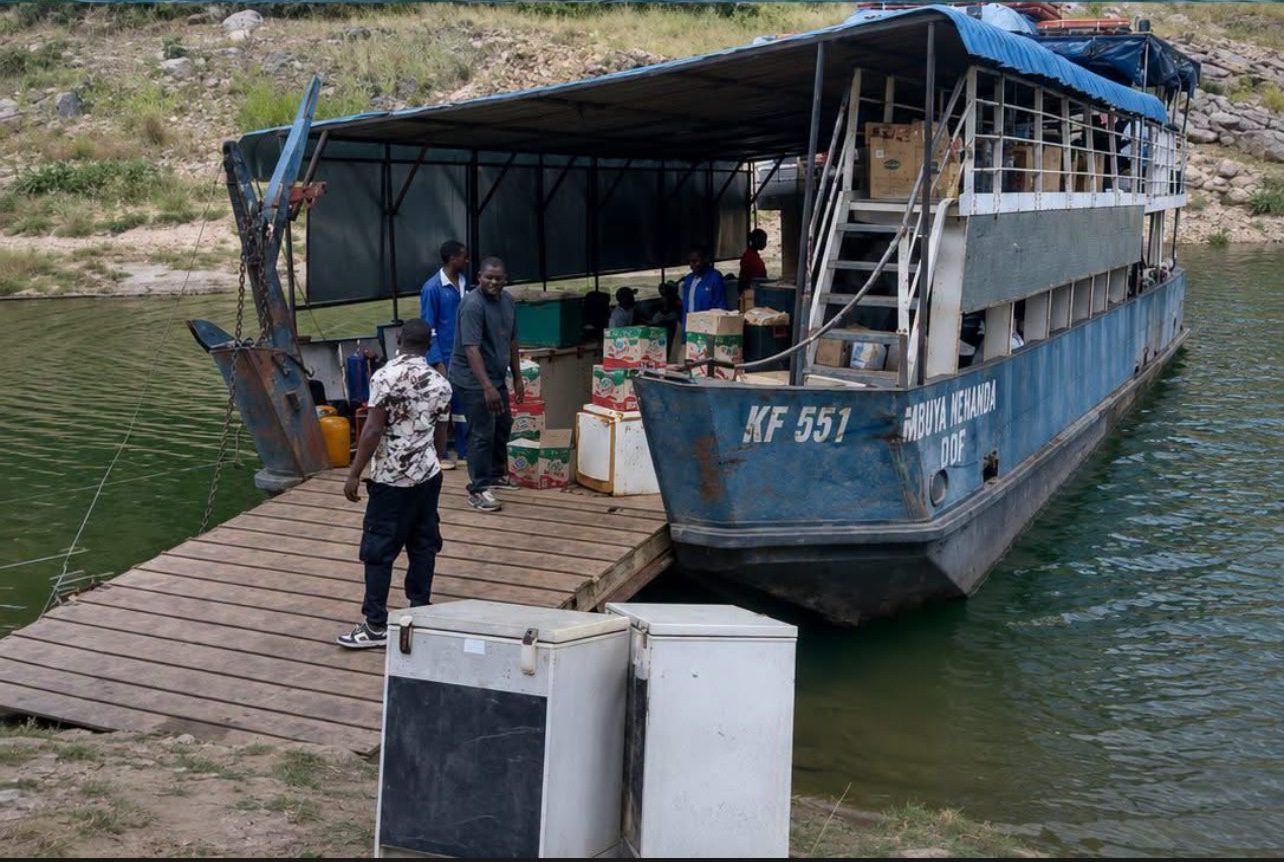
Zimbabwe Republic Police (ZRP) have confirmed that 13 bodies have been recovered from Lake Kariba and 67 people rescued after a government passenger ferry capsized on Tuesday afternoon, as divers continue searching for those still missing.
In a statement issued on Wednesday, police spokesperson Commissioner Paul Nyathi said “13 bodies have been retrieved from Lake Kariba while 67 victims have been rescued and taken to Mahombe-kombe Primary School Command Centre for medical attention and further management”.
“Meanwhile, the search process is still underway for the missing victims,” he said.
The figures are lower than those given hours earlier by the Civil Protection Unit (CPU), which put the toll at 15 dead and 27 missing, with 77 people rescued after reaching a small island on the lake.
On this topic
Police say they have still not established how many people were on board the vessel.
“The Zimbabwe Republic Police is still verifying facts on the exact number of people who were in the boat,” Commissioner Nyathi said. “The confirmed carrying capacity of the boat is 90, excluding the five crew members.”
The police said the Lake Captain was initially told the ferry was carrying 120 people from Kariba to Chalala — 108 adults and 12 children, but added that “police investigations indicate that the boat could have been carrying more people”.
The CPU’s account also points to a vessel carrying well beyond its limit. Cecilia Chitiyo, provincial director in the Ministry of Local Government and chair of the provincial CPU, said in an official report that the boat “had 114 adult passengers on board (confirmed through tickets from the accounts), 5 crew members and undisclosed children below ticketing age”.
She said 15 bodies had been retrieved and that “Nyaradzo and Doves Funeral Parlours have been engaged to collect these bodies for processing”.
The vessel, the Mbuya Nehanda, is run by the Rural Infrastructure Development Agency (RIDA), formerly the District Development Fund. It went down near Long Island after being caught by the strong seasonal winds known locally as the Binga Wave, taking water through the cabin as the crew fought to keep it afloat.







Leave a Reply