
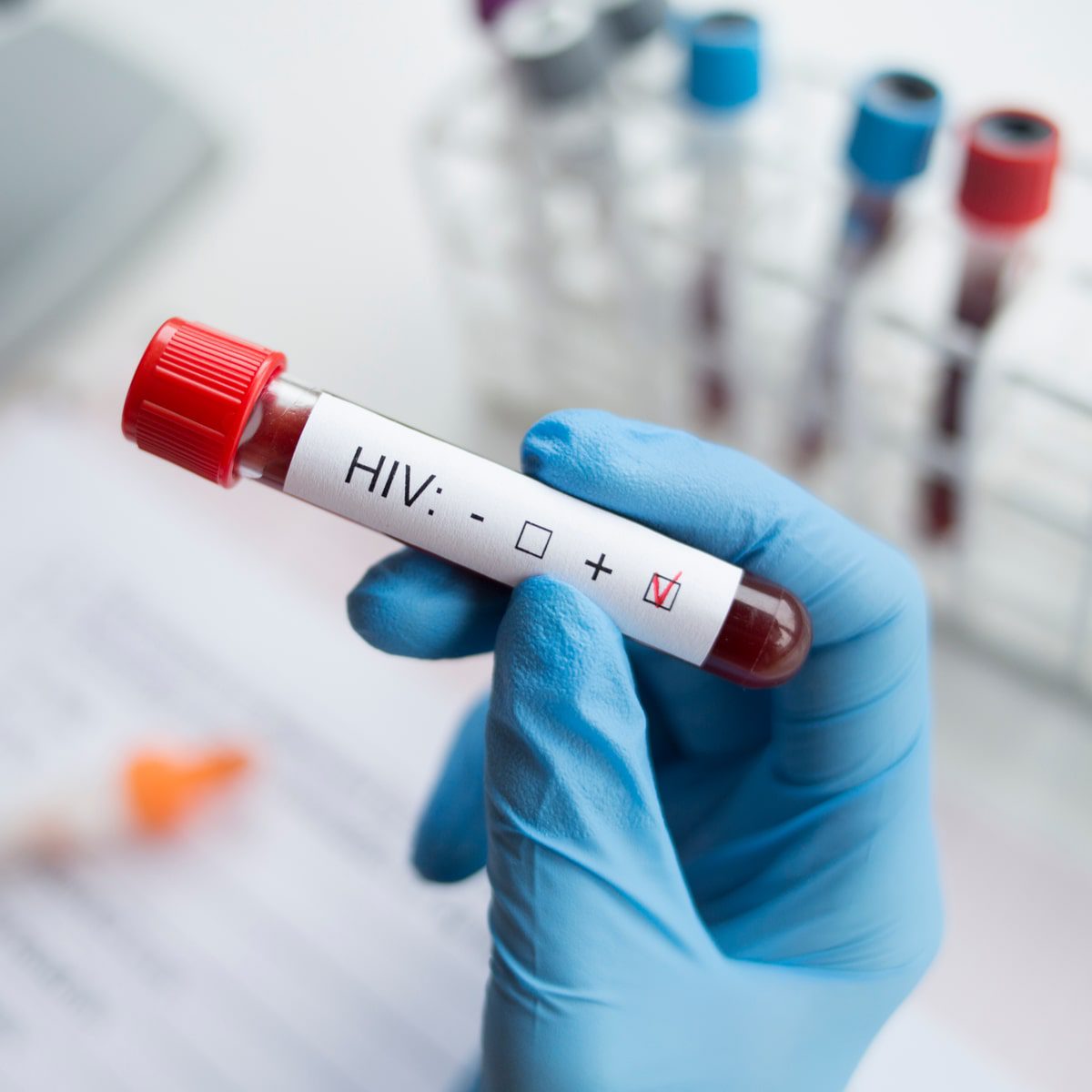
The National AIDS Council (NAC) says Zimbabwe can achieve its goal of ending AIDS by 2030, despite dwindling donor support, provided communities are empowered with accurate information to prevent new HIV infections.
Empowering communities with knowledge, sustaining treatment programmes and preventing new infections, according to NAC, remains the cornerstone of the country’s strategy to bring the AIDS epidemic to an end.
Speaking to journalists from across the country on Monday ahead of a media tour of HIV hotspots and NAC-supported projects in various districts and provinces, Bulawayo Provincial Manager Sinatra Nyathi said the country’s greatest asset in the fight against HIV was its people.
The tour is intended to showcase how NAC is responding to the HIV epidemic through prevention, treatment and community-based interventions as Zimbabwe enters what health experts describe as the “last mile” towards ending AIDS.
On this topic
Nyathi expressed confidence Zimbabwe could meet its 2030 target regardless of external financial support.
“As we work towards ending AIDS by 2030, we are actually saying as Zimbabwe, we are more than able to achieve our goal with or without funding from outside partners,” she said.
“We are actually recognising that as Zimbabwe the biggest resource that we have is our human resources. If you and me are empowered with information to prevent the further spread of HIV, you give the information to your significant others, your family, your friends, your workplace, we’ll be able to prevent the further spread of HIV.”
She said widespread awareness and behavioural change remained critical in reducing new infections, arguing every Zimbabwean had a role to play in stopping the transmission of HIV.
“I personally believe, if we are going to make sure all the people currently negative will remain negative up to 2030 or forever, it means we will only have to use the resources that we have to make sure that we support those that are on treatment,” said Nyathi.
She noted advances in treatment had transformed HIV from a fatal disease into a manageable chronic condition, allowing people living with the virus to lead productive lives.
“We have realised that treatment is actually helping people. I believe we really need to make sure that we push, even the media, to make sure we give accurate information to our communities so that we’ll be able to end AIDS by 2030,” she said.
The NAC official said Zimbabwe had already surpassed the global UNAIDS 95-95-95 treatment targets among adults, a significant milestone in the national HIV response.
The targets aim to make sure that 95 percent of people living with HIV know their status, 95 percent of those diagnosed are receiving antiretroviral treatment (ARVs), and 95 percent of those on treatment achieve viral suppression.
“More than 95 percent of people living with HIV now know their status. Of those who know their status, above 95 percent are on ARVs and out of those that are on ARVs, above 95 percent are virally suppressed,” Nyathi said.
However, she acknowledged that children remained a key area of concern.
“We are lagging behind on children, so we are really making sure that we find the children, we put them on ARVs and they will be virally suppressed,” Nyathi said.
The NAC official explained treatment was increasingly used as a prevention strategy because individuals whose viral loads are suppressed are far less likely to transmit the virus to others.
“The reason why we are saying we need to push the 95,95,95 is that we are actually using treatment as prevention. If you are HIV positive and you are on ARVs and your viral load is suppressed, you reduce your chances of infecting the next person,” she said.
“That is why we are saying if there is a family member, a colleague who is living with HIV and they are on treatment, let’s support them to continue on treatment. At the end of the day, if all the people living with HIV are on ARVs, it means as a community we have generally reduced our chances of infecting one another.”
Nyathi stressed treatment and prevention must go hand in hand if Zimbabwe is to achieve its ambitious target.
“Treatment is going to be very key as we end AIDS by 2030 and also making sure that we prevent new infections,” she said.
As coordinator of Zimbabwe’s National Multisectoral Response to HIV and AIDS, NAC works with government departments, civil society organisations, communities and development partners to implement programmes aimed at curbing the epidemic.
Nyathi said the organisation remained committed to making sure no community was left behind.
“In the multisectoral response we recognise that every sector is key, especially now that we are in the last mile where we are working towards ending AIDS by 2030. We are actually saying we are leaving no one behind and no place behind,” she said.
While acknowledging the impact of reduced funding from some international partners, particularly the United States government, Nyathi said NAC would continue to rely on local resources and innovative approaches.
“We are working with partners that have also withdrawn some funding, especially from the US government. But we are actually saying National AIDS Council, we are not going to look back. We are going to use the local resources that we have, our AIDS Levy and support from our other partners to make sure we end AIDS by 2030,” she said.
She said the organisation was prioritising “high-impact but low-cost” interventions, with prevention programmes taking centre stage.
“These are mainly prevention programmes where we want to eliminate mother-to-child transmission, reduce new infections, make sure that people use condoms correctly and consistently, and also make sure that people change their behaviours,” said Nyathi.
“I believe that four decades into the epidemic people know, people have information, but we just need to change our behaviour.”








Leave a Reply