
Media practitioners have been urged to strengthen their reporting on the link between Gender-Based Violence (GBV) and the Human Immunodeficiency Virus (HIV), amid concerns that violence against women and girls is contributing to rising HIV infections among adolescent girls and young women.
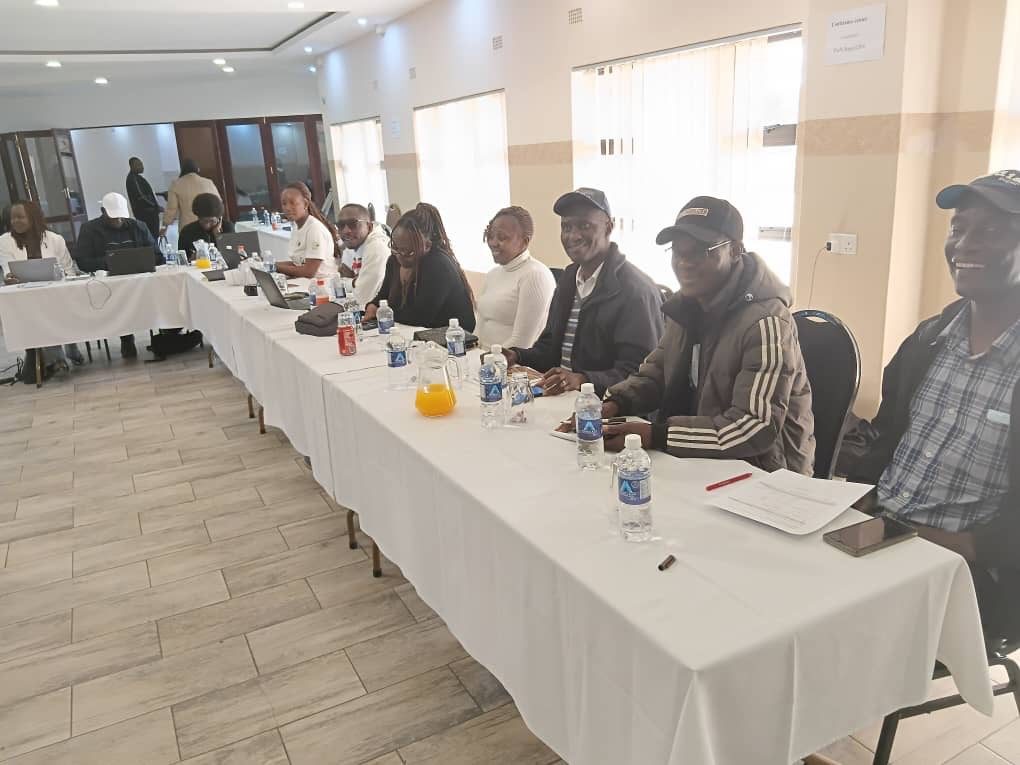
The call was made during a recent engagement with journalists organised by the Zimbabwe Association of Church-Related Hospitals (ZACH) in partnership with the United Nations Development Programme (UNDP) and the National AIDS Council (NAC).
The meeting sought to equip journalists with a better understanding of the connection between GBV and HIV, while promoting ethical and sensitive reporting on cases involving adolescent girls and young women.
ZACH is among the organisations implementing the SASA! programme in Zimbabwe, an evidence-based community mobilisation approach designed to prevent gender-based violence and reduce HIV infections among adolescent girls and young women.
On this topic
Speaking on the sidelines of the meeting, ZACH Umguza District Officer, Mildred Banda, said the programme primarily targets girls and young women aged between 15 and 24, a group disproportionately affected by both GBV and HIV.
“We are conducting gender sensitisation on the prevention of HIV among adolescent girls and young women, while also promoting sensitive reporting on cases involving this group,” Banda said.
“We want journalists to understand the SASA! programme and the important role it plays in preventing violence and reducing the prevalence of HIV.”
She said the media has a critical role to play in challenging harmful social norms that perpetuate violence and in raising public awareness about the consequences of GBV.
“Journalists play a vital role in challenging attitudes, behaviours and norms that promote violence, while also holding perpetrators accountable through responsible reporting. Their work will help us spread messages against violence across communities,” she said.
ZACH Communications and Advocacy Technical Advisor, Shamiso Yikoniko, said journalists were key partners in amplifying messages aimed at ending violence against adolescent girls and young women.
“It is important for us as ZACH to work closely with journalists so they can help us spread these messages across different communities,” Yikoniko said.
“Our priority is to tell stories that demonstrate how violence destroys the lives of vulnerable groups and why communities must work together to prevent and report these incidents.”
Yikoniko said the organisation had already begun seeing positive results since the programme was introduced but believed greater impact could be achieved through stronger collaboration with the media.
“Since the beginning of the project, we have seen significant improvements, but we know we can achieve even more. By working together with journalists, community members, traditional leaders and other stakeholders, we can reach more people and make a greater impact in preventing violence and reducing HIV infections,” she said.






Leave a Reply