
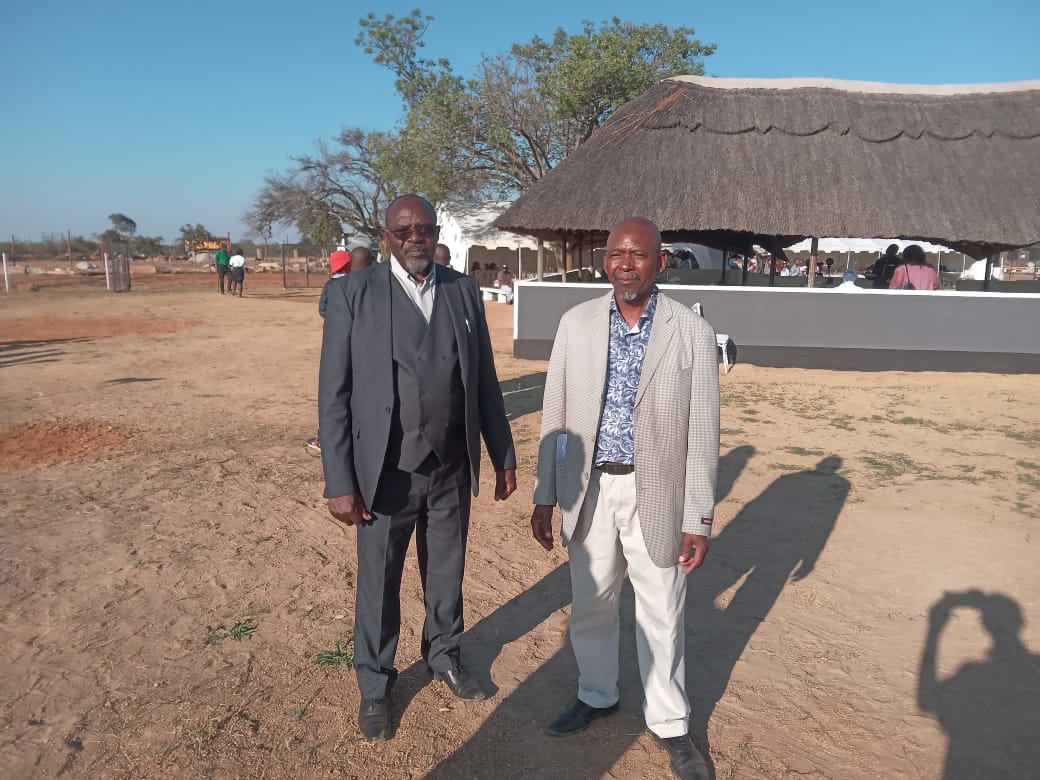
Traditional leaders in Mangwe District, Matabeleland South, have urged Zimbabweans returning from South Africa not to lose hope but to embrace their new reality and rebuild their lives at home by learning from communities that have managed to survive despite the country’s economic challenges.
The appeal comes as increasing numbers of Zimbabweans return home following rising anti-immigrant sentiment, stricter immigration enforcement and growing pressure on foreign nationals in South Africa, where migrants have increasingly been blamed for unemployment, crime and the strain on public services such as healthcare, housing and education.
Many Zimbabweans had crossed into South Africa over the past two decades in search of better-paying jobs and economic opportunities as Zimbabwe grappled with prolonged economic decline, company closures, high unemployment and inflation.
Matabeleland South is among Zimbabwe’s provinces with high levels of labour migration to South Africa and Botswana, owing to its proximity to the border and limited employment opportunities.
On this topic
The International Organisation for Migration (IOM) records for 2024 showed 52 percent of the people who left Zimbabwe were coming from Matabeleland South.
While some established businesses and careers across the border, others worked informally as builders, gardeners, mechanics, domestic workers, security guards and traders.
However, recent anti-immigrant campaigns and heightened hostility towards foreign nationals have forced many to abandon jobs, businesses and even property before returning to Zimbabwe with uncertain futures.
Many returnees have expressed anxiety about how they will survive after leaving Zimbabwe years ago in search of greener pastures, fearing there are limited employment opportunities waiting for them.
In an interview with CITE on the sidelines of Bulawayo philanthropist Herbert Mutize’s 72nd birthday celebrations held at Cathrene Farm along Harare Road on Sunday, Chief Sangulube said returnees should accept their circumstances and focus on creating new opportunities instead of dwelling on what they have lost.
“If South Africa is now having these hardships, they should accept the situation and be willing to start new lives here at home,” he said.
“Maybe some have returned with nothing. Some came back empty-handed from South Africa, while others did not have jobs there. But now that they are home, they should be patient and look for other means of surviving.”
Chief Sangulube said he believed, with hard work, they can lead productive lives back home.
“I believe they can still make a good life here in Zimbabwe,” he said, adding resilience and determination would be critical for returnees as they adjusted to life back home.
Sharing similar sentiments, Chief Bango said there was little benefit in wishing to return to South Africa when circumstances there had ‘clearly’ changed.
“The truth is, if they are back here, it means life has become difficult in South Africa,” he said.
“There is nothing they can do about that now. They have to start a new life.”
Chief Bango encouraged returnees to observe and emulate local people who have created livelihoods through small-scale farming and other income-generating activities.
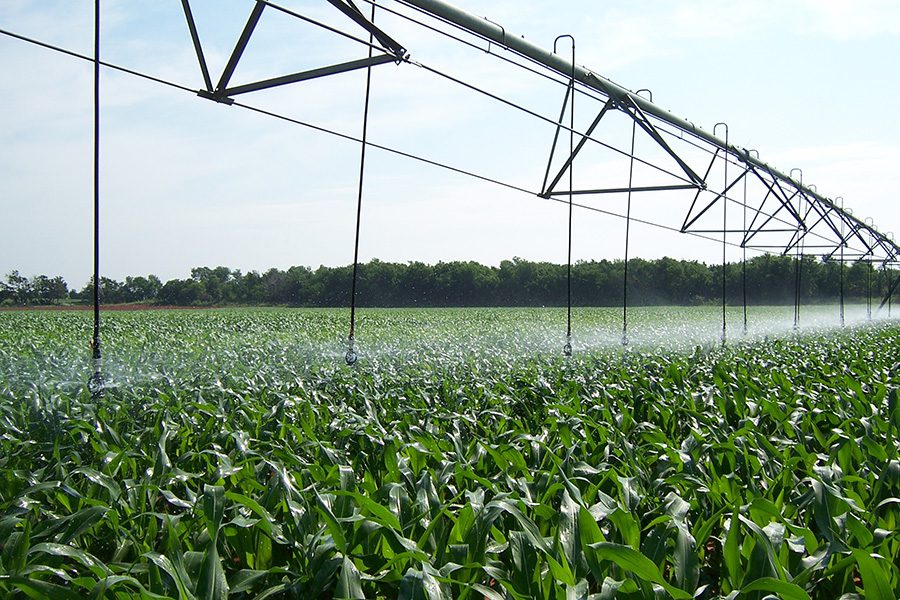
“In my area, I have seen many young men working together in groups of two or three. They use water from the Semukwe River to irrigate their gardens using submersible pumps. They grow vegetables and other crops and then sell them,” he said.
“If those returning from South Africa come back and do the same, just learning from what others are already doing, I believe life will not go wrong for them. They can survive just like those who are here.”
Chief Bango acknowledged that the prospect of returning home without a clear plan could be overwhelming, especially for people who had spent years abroad.
“It is difficult when you are still far away because you keep wondering what you are going to do,” he said.
“But once you are here and you see what others are doing, within some days you begin to realise that it is possible. Push yourself. Stop abusing substances and focus on working. You can survive at home.”
Chief Bango also added that the first step towards rebuilding a livelihood is accepting reality.
“The biggest thing is accepting what has happened. Once you accept it, you can begin looking for opportunities,” he noted.
The chief said agriculture remained one of the most accessible options for returnees, particularly in areas with reliable water sources.
“The Semukwe River does not dry up. Even when rainfall is poor, there is always water. People can establish gardens and start farming,” Chief Bango said.
“For now, I cannot point to many formal jobs that are readily available, so I encourage them to begin with what is easier. Open your mind to farming because it can provide an income while you look for other opportunities.”
The chiefs’ remarks come as government agencies, churches and civic organisations continue developing programmes to assist Zimbabweans returning from South Africa.
Among them is the Bulawayo Project Centre, which has opened a fast-track skills recognition pathway for returnees who acquired vocational skills while working in South Africa.
The organisation is also offering business incubation services and tailored vocational training to help returnees establish sustainable livelihoods.







Leave a Reply