
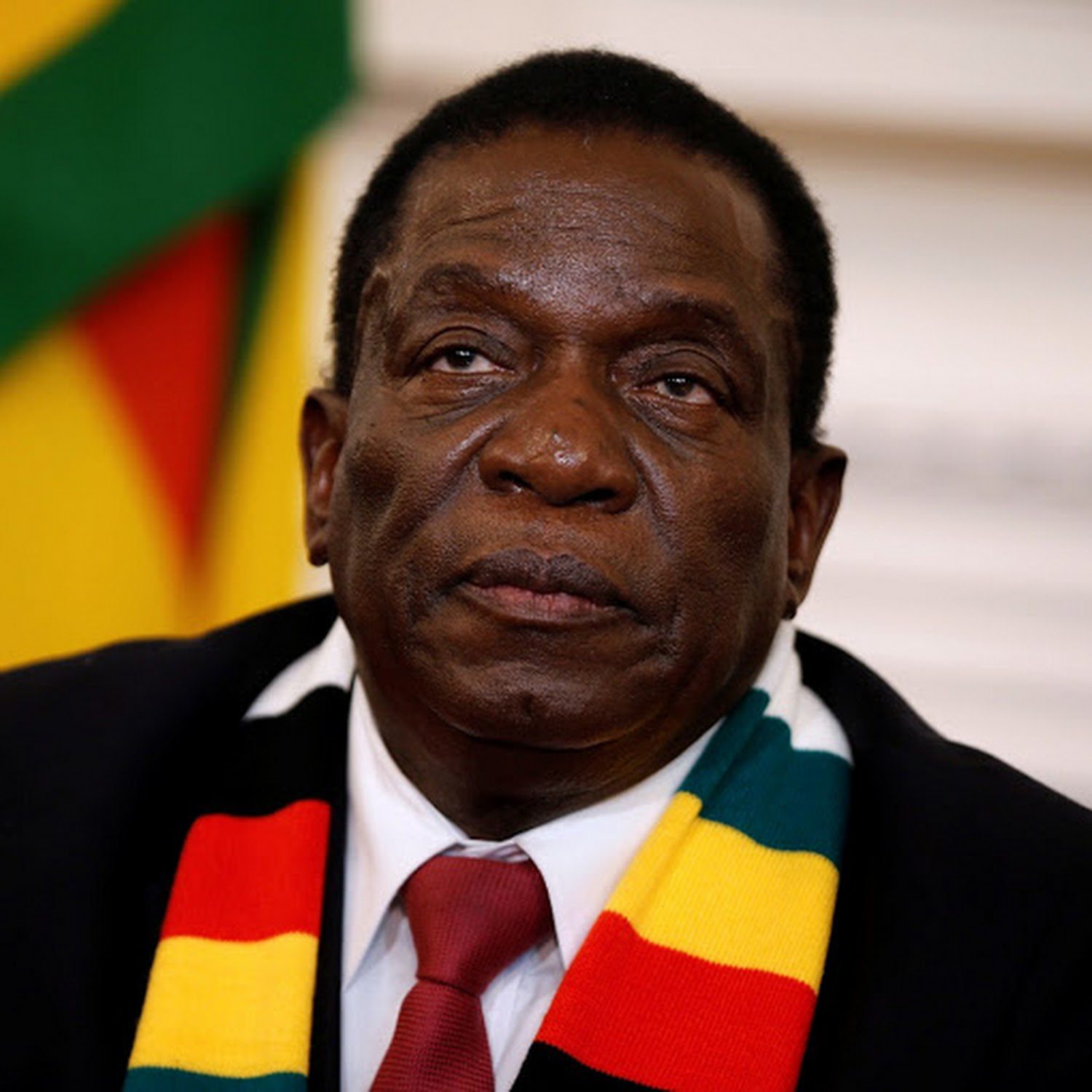
Some Zimbabweans have questioned the government’s argument that extending the terms of the president and Parliament by two years will allow key development projects to be completed, saying the ruling Zanu-PF has had more than four decades in power without delivering meaningful improvements in public services or the economy.
The concerns were raised during an X Space discussion hosted by CITE on Friday following the enactment of the Constitution of Zimbabwe Amendment Act No. 3, which extends presidential and parliamentary terms from five to seven years, among other changes.
Participants argued that extending the tenure of the current Parliament and president would not automatically result in better governance or improved service delivery.
One participant, identified only as Craig, said elected leaders derive their mandate from voters and should seek a fresh mandate through elections rather than extending their time in office.
On this topic
“We are the people who put leaders into power and if we want to remove them, we should have that right. Why extend the term by another two years? If the work could not be completed within the original mandate, what difference will two more years make?” he asked.
Another participant, identified as Cooksman, said the government’s justification that it needed more time to deliver development was unconvincing.
“We have had the same leadership for over 40 years. If they have failed to develop the country during that period, why should Zimbabweans believe another two years will change anything?” he said.
A participant identifying himself as Pan-African argued that the amendment placed greater emphasis on retaining political power than addressing citizens’ welfare.
“Our hospitals, schools and infrastructure have deteriorated under the same leadership. Why should Zimbabweans believe more time will produce different results?” he asked.
Other contributors questioned how extending Parliament’s term would improve livelihoods, saying constitutional amendments could not replace sound economic policies, job creation and improved public services.
However, another participant defended the amendment, arguing that Zimbabwe needed political stability and policy continuity to complete major infrastructure projects and sustain economic growth.
The participant said continued investment in roads, dams and other infrastructure showed that long-term government programmes required continuity rather than disruption through frequent elections.







Leave a Reply