
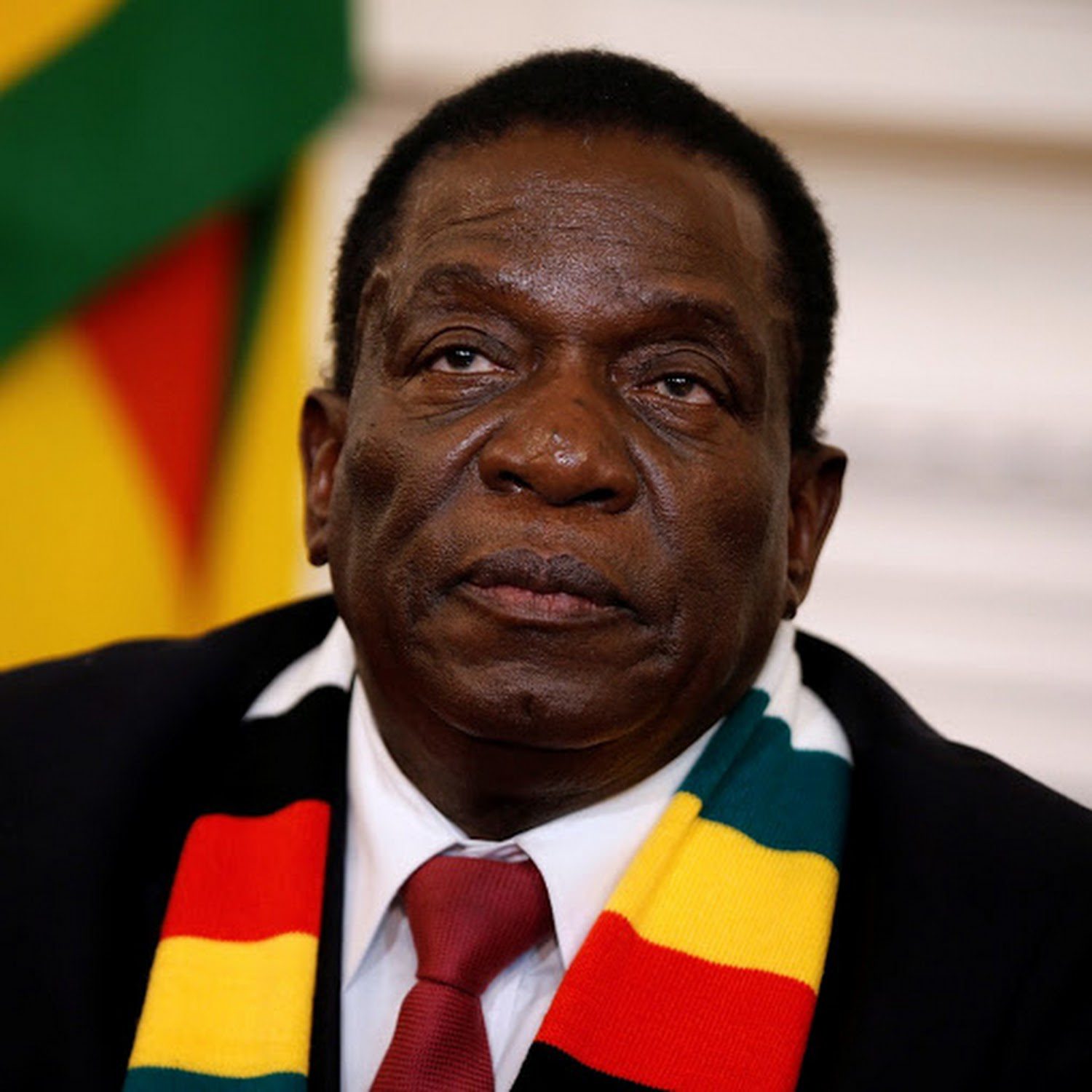
Zimbabwe’s report on the recent Russia-Africa Summit makes no mention of the recruitment of Zimbabwean nationals into Russia’s war against Ukraine, despite mounting concerns over alleged human trafficking networks that have lured young people with promises of civilian employment before sending them to the frontline.
The omission comes as other African governments raise the issue directly with Moscow, seeking assurances their citizens will no longer be enlisted into the Russian military and demanding assistance to bring those already recruited home.
The concerns have also attracted international scrutiny, with a United Nations inquiry finding that Russian authorities committed human trafficking by recruiting foreign nationals from 29 countries into the Russian armed forces through deception and coercion.
However, in a report, discussed at Tuesday’s post-Cabinet briefing, following President Emmerson Mnangagwa’s attendance at the Third Russia-Africa Summit in Moscow from October 24 to 30, 2026, it does not mention the recruitment of Zimbabweans into the Russian military, the fate of missing and deceased recruits or efforts to secure the return of those wishing to leave Russia.
On this topic
Instead, it highlights Zimbabwe’s commitment to strengthening economic and diplomatic relations with Russia.
“In his address at the Summit, President Mnangagwa called for mutually beneficial partnerships pairing Africa’s natural resources, youthful population and expanding markets, with Russia’s scientific and industrial capabilities,” the Cabinet report stated.
The report also details Mnangagwa’s meetings with Russian institutions, visits to Patriot Park and Russia’s K7 Hospital and his engagement with Zimbabwean students studying in Russia.
There is, however, no indication in the Cabinet account that Mnangagwa raised the recruitment crisis with his Russian counterpart, Vladimir Putin, or sought assurances on the protection of Zimbabweans caught up in the war.
The silence is striking given that Zimbabwe has previously acknowledged the problem.
In March, the government warned citizens against deceptive recruitment schemes targeting people with promises of employment in Russia.
Information Minister Zhemu Soda subsequently told journalists that 18 Zimbabweans had died while 66 survivors remained in Russia at the time.
Recently, according to Ukrainian intelligence figures reported by Bloomberg, Russia recruited 530 Zimbabweans into its armed forces between January and September 2026, up from 65 during the whole of 2025.
Authorities also moved to investigate individuals suspected of facilitating the recruitment, with prosecutors in individual cases alleging recruits were deceived about the nature of the work and connected to Russian handlers.
CITE has followed the consequences beyond the arrests, documenting the difficulties families face in tracing missing relatives and repatriating the remains of those killed.
In an investigation published in August, Zim arrests Russia recruiters, struggles to repatriate deceased, CITE reported on families facing bureaucratic delays, unclear responsibilities between government departments and uncertainty over when their relatives’ remains would be returned.
In September, Mnangagwa announced during his State of the Nation Address that the government was introducing a Trafficking in Persons Amendment Bill targeting transnational syndicates advertising non-existent jobs abroad.
In October, CITE reported on a government DNA collection exercise in Bulawayo to help identify Zimbabweans reported missing or killed in Russia.
The government also renewed its warning against deceptive overseas recruitment, while police said they were engaging regional and international partners, including through SADC and Interpol, to address human trafficking.
However, families continue to face uncertainty over whether their relatives are alive, missing, injured or dead, as well as delays in securing the return of survivors and deceased nationals.
The crisis has since attracted international scrutiny.
The United Nations Independent International Commission of Inquiry on Ukraine examined the recruitment of foreign nationals allegedly lured to Russia with promises of civilian employment before being compelled to sign contracts with the Russian Defence Ministry.
Its findings, presented to the UN General Assembly, describe how some recruits did not understand the Russian-language contracts they were made to sign before being deployed to the frontline. The inquiry documented deaths, disappearances, injuries and cases of foreign nationals being captured.
The findings reinforce concerns raised by human rights organisations and CITE investigations that deceptive recruitment practices involving fraud and coercion may constitute human trafficking.
For Zimbabwe, the findings raise further questions about the scale of recruitment, the role of local and foreign intermediaries, and what the government is doing to trace and assist affected citizens.
While Harare has announced investigations and arrests, questions remain about whether it has secured meaningful cooperation from Moscow on the return of survivors and the identification and repatriation of deceased Zimbabweans.
Unlike Zimbabwe’s account of the summit, other African governments have made the recruitment of their citizens a direct diplomatic concern in their dealings with Russia.
Ghana, which has recorded significant numbers of nationals recruited into the Russian military, has taken the matter directly to Moscow.
At least 272 Ghanaians have fought for Russia, according to figures from the INPACT research group.
Egypt reportedly recorded 361 recruits, while Cameroon had 335.
As the number of Ghanaians reported to have died while fighting for Russia reached 62 by mid-August, Ghanaian Foreign Affairs Minister Samuel Okudzeto Ablakwa met Russian Foreign Minister Sergei Lavrov in Moscow and urged Russia to stop the recruitment.
“As a responsible government, we cannot turn a blind eye to these shocking statistics,” Ablakwa said in an INPACT report. “This is not our war, and we cannot allow our young people to become human shields for others.”
Although Russia reportedly pledged to stop recruiting Ghanaians, the continuation of the practice has raised questions about whether the commitment is being enforced.
Research by iLAB, the technical investigations team of Code for Africa, has also exposed the digital tactics used to attract African recruits.
The investigation found websites, fake domains and social media profiles advertising construction jobs, visa assistance and even film roles.
Several websites shared common infrastructure, with investigators describing a pattern of disposable platforms created and abandoned in what they termed a “burn and replace” strategy.
Kenya also took the matter to the highest diplomatic level.
President William Ruto announced Russia had agreed to designate Kenya a non-source country for military recruitment, meaning Kenyan nationals would no longer be recruited into the Russian armed forces.
Ruto said the commitment followed direct talks with Putin at the Kremlin.
“I thanked President Putin for confirming that Kenyans will no longer be enlisted into the Russian military because Kenya has been categorised a non-source country for recruitment into the Russian military,” Ruto said.
Kenya also moved to address the fate of nationals already recruited. Ruto announced the appointment of a Defence Attaché at Kenya’s embassy in Moscow to liaise with the Russian Defence Ministry on the return of Kenyans recruited for military purposes and the processing of compensation for those affected.
The announcement followed pressure from families seeking information about missing relatives.
Kenya’s National Intelligence Service reportedly presented Parliament with information indicating that more than 1 000 Kenyans had been enlisted, while a separate petition from families contained approximately 841 names. Both figures were higher than the 354 nationals the government had officially recorded.
Earlier, Foreign Affairs Cabinet Secretary Musalia Mudavadi had indicated that Kenya had been placed on a Russian stop list, with the Kenyan embassy reporting no new recruits since March.
The approaches by Ghana and Kenya demonstrate how African governments are using diplomatic engagement to demand specific assurances from Moscow, rather than limiting discussions to broader economic and political cooperation.
The contrast raises questions about whether Zimbabwe used the Moscow summit to seek similar assurances.
With Mnangagwa meeting Putin and other Russian officials, the summit provided an opportunity to raise the recruitment crisis, demand transparency about Zimbabweans serving in the Russian military and seek cooperation in tracing missing nationals and repatriating those wishing to return.
The Cabinet report gives no indication these matters featured in the President’s engagements or the outcomes presented to the country.
While the absence of the issue from the report does not establish that it was not discussed behind closed doors, it leaves the public without an account of what, if anything, Zimbabwe secured from Moscow.
As other African governments seek concrete commitments from Russia, Zimbabwe faces growing pressure to demonstrate that protecting its citizens is also a priority in its diplomatic relationship with Moscow.





Leave a Reply