

The recently formed Guardians of Zimbabwe political party says Zimbabwe’s fragmented opposition gave President Emmerson Mnangagwa the opportunity to push ahead with the Constitutional Amendment Bill No. 3 (CAB3), arguing that a stronger opposition would have prevented the proposal from gaining traction.
Made up of retired and some former serving members of the country’s security services, Guardians of Zimbabwe has positioned itself as part of the growing resistance to the constitutional amendments.
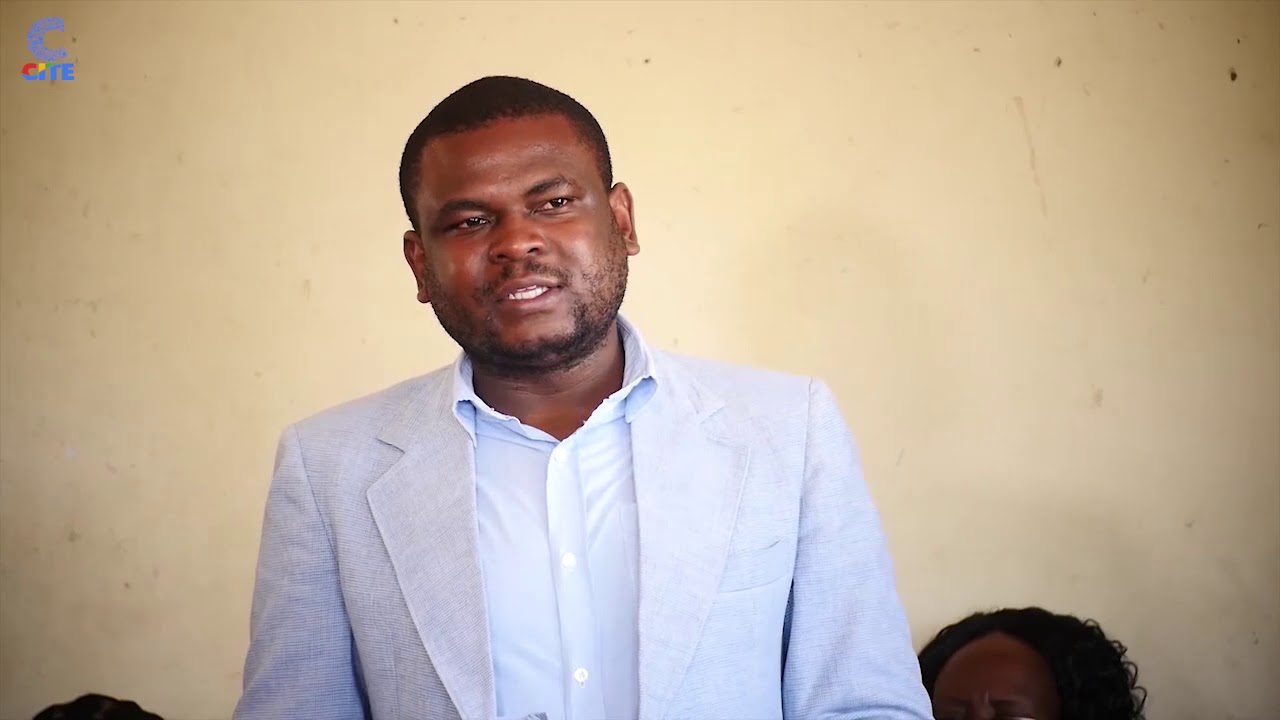
Its leader, Moses Kumbweya, a former member of the country’s security services, said the absence of a robust opposition had given the ruling party confidence to pursue constitutional changes, which now will see President Mnangagwa stay in power beyond the current constitutional two-term limit.
“If we had a very strong opposition, I tell you, CAB3 was never going to be put on the table,” he said in an interview with CITE.
On this topic
“Mnangagwa was not going to have such thoughts. But simply because we had no opposition, he saw it as the time to consolidate his power.”
Kumbweya said the movement had not been formed for personal political gain as a continued obligation to serve Zimbabwe.
Having spent years within the security establishment, Kumbweya said many officers eventually realised they were often discarded once they retired, despite decades of service.
“They have always been used like a juice card. After your tour of duty, you’re just dumped. No one even thinks about a sergeant who was working for the country for the past 20 years or the constable who was arresting people, doing his patriotism,” he said.
Those experiences, said Kumbweya, convinced former officers that they needed to become active participants in democratic politics rather than remain on the sidelines.
“We thought we should come up and stand up. The only way to do it was to join other players in the opposition,” he said, adding that joining Zanu PF to air their grievances was not a realistic option because the interests of junior former officers were unlikely to be heard within a hierarchy dominated by senior military figures.
“Going to Zanu PF is a non-starter. At the top there are generals and no one will listen to the junior man down there.”
Kumbweya acknowledged that sections of the opposition remained suspicious of former security personnel because of the role some had played in policing political activity over the years.
“We have been trying to go to the opposition, they view us with suspicious eyes,” said the leader.
Despite that history, Kumbweya insisted there was nothing wrong with former security officers entering politics.
“It’s not a crime participating in politics. In my view, it’s actually a very good move that we did,” he said, adding that although discussions about establishing the movement had taken place over several years, the country’s volatile political climate had delayed its launch.
“We had always had this idea, but due to the hostility of our political environment, it was tricky to introduce it.”
Kumbweya said the organisation eventually decided to launch during a period of heightened political tensions within Zanu PF during the CAB3 campaign .
“We took advantage of the situation right now in Zanu PF because there’s serious chaos,” he said.
He claimed the reported divisions involving President Mnangagwa and Vice President Constantino Chiwenga had created uncertainty even within the security establishment.
“One would think we were sent by Chiwenga, another would think we were sent by Mnangagwa. For us, it was actually a strategy.”
While describing the political launch as successful, Kumbweya admitted the organisation faces severe financial constraints.
“We are struggling financially. We have no funds,” he said.
Nevertheless, he claimed interest in the movement was growing, including among serving members of the security services, who are “curious and asking questions.”
Kumbweya argued one of Zimbabwe’s long standing political weaknesses is the tendency to view politics only during election periods.
“The mindset in Zimbabwe is that politics is for elections but politics is about our day-to-day living. Opposition politics is all about challenging moves of the government daily. Parties should always think of the people,” he said.
Kumbweya said the new party intended to play an active role in opposing the Constitutional Amendment Act No.3, although that resistance should not be confined to planned demonstrations.
“CAB3 is not an event, it’s a process. Until 2028 or so, Mnangagwa must be constantly given pressure. We cannot think of 31 July as the start and the end,” he said.
Kumbweya revealed the movement had approached other opposition groups seeking collaboration against the constitutional amendments but said the response had been cautious.
“They are sceptical of us,” he said, noting the organisation had submitted its proposal through its lawyer in Harare and was still awaiting a response from other players more than a week later.
He also questioned why groups opposed to CAB3 would hesitate to cooperate with other organisations sharing the same objective.
“Those guys are fighting CAB3 and they intend to keep Zanu PF busy. If someone comes and says, ‘let’s work together,’ even if you suspect them, you don’t shut them out.”
Kumbweya warned that continued fragmentation within the opposition would ultimately benefit the ruling party.
“With different sides pulling in different directions, Mnangagwa would end up winning,” he said.
“If all forces join hands, we will produce something tangible. But it looks like the opposition and Zimbabweans are fragmented.”
Although the party remains in its formative stages and lacks the resources to establish nationwide grassroots structures, Kumbweya said members were fundraising internally and remained committed to sustaining pressure against Zanu PF.
“We cannot let Zanu PF do what it wants,” he said.




Leave a Reply