
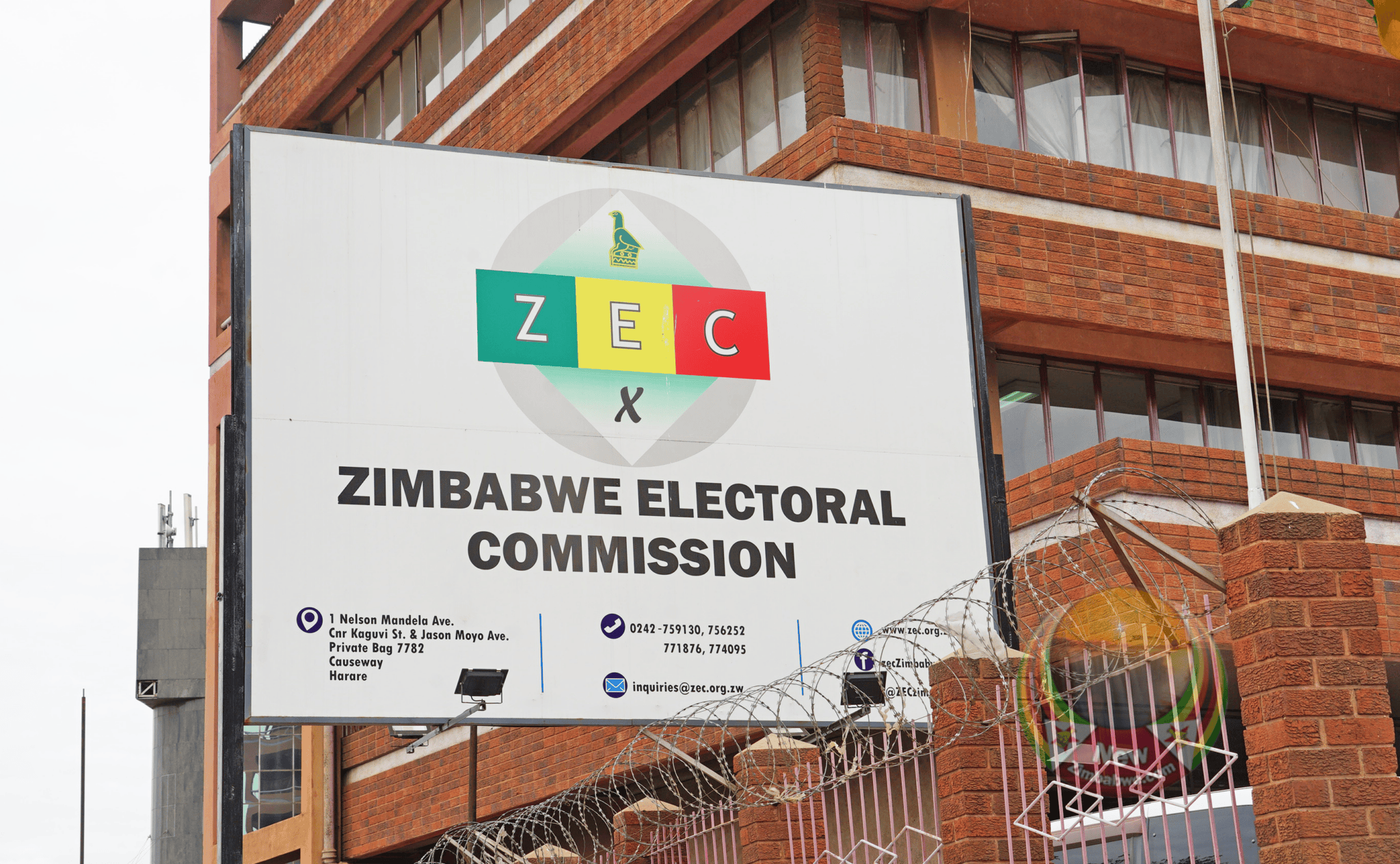
Zimbabwe’s electoral institutions are facing a crisis of public confidence, with the Zimbabwe Electoral Commission emerging as the least trusted institution in the country and nearly half of citizens expressing no faith in election results, a national survey on the Constitution of Zimbabwe (Amendment No. 3) has found.
The survey, conducted by the Bulawayo-based Public Policy and Research Institute of Zimbabwe (PPRIZ) with fieldwork by the Mass Public Opinion Institute between 9 and 18 April 2026, found that 40.6% of Zimbabweans have no trust at all in ZEC more than three times the distrust recorded for the President (12.5%) and more than double that of judges and the courts (17.3%). Distrust in election results in general was even higher, at 43%.
The trust rankings reveal a striking hierarchy. The Registrar General’s Office topped the table with 78% combined trust, followed by judges and the courts at 76.3%, the President at 73%, and Members of Parliament at 67%. The Zimbabwe Defence Forces recorded 59.1%. ZEC sat at the bottom of the named institutions with 58% combined trust, and, critically, the largest bloc of outright distrust of any body measured.
The findings carry direct constitutional weight. Among the act’s clauses are proposals to strip ZEC of two of its core functions: transferring voter registration and the voters’ roll to the Registrar General (Clauses 2 and 17), and handing boundary delimitation to a newly created Zimbabwe Electoral Delimitation Commission (Clauses 11 to 13). The survey suggests the public’s institutional preferences track the trust data closely, 54.8% supported moving voter registration to the Registrar General, the very office citizens trust most, while 49.7% backed the new delimitation body against 44.7% opposed.
On this topic
PPRIZ itself flags the ZEC finding as significant given the proposed transfer of functions. But the same numbers cut both ways: they can be read either as public endorsement of dismantling ZEC’s mandate, or as evidence of how deeply confidence in the electoral referee has eroded, a question the survey’s broader political context sharpens. Some 61.6% of respondents described the country as significantly politically divided, 53.5% believe electoral competition increases corruption, and 55.4% agreed Zimbabwe spends too much time in election mode.
The distrust also shadows the act’s most contested proposals. The extension of presidential and parliamentary terms from five to seven years drew 51.3% support against 41.2% opposition, while replacing direct presidential elections with election by Parliament split respondents at 48.9% for and 41% firmly against. Whether citizens who distrust the current electoral machinery will accept an electoral system redesigned around it remains an open question.
The survey of 1,641 respondents is described by PPRIZ, an independent think-tank headquartered in Bulawayo, as a “zero draft” based on Phase 2 weighted data.








Leave a Reply