
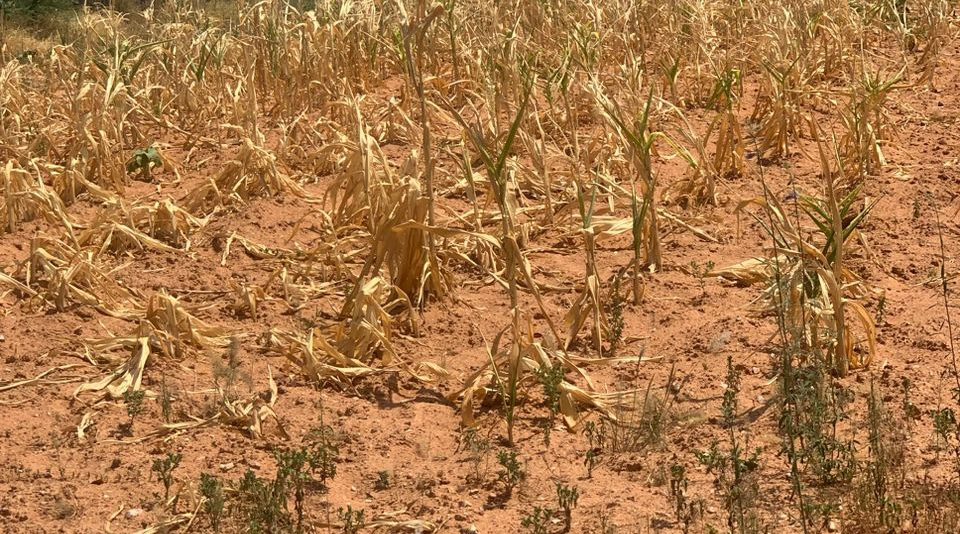
Zimbabwe needs social protection systems that can rapidly expand assistance when droughts, floods and other disasters push vulnerable households deeper into poverty, Deputy Minister of Public Service, Labour and Social Welfare Mercy Dinha has said.
Speaking at the Social Protection Conference in Bulawayo on Thursday, Dinha said conventional assistance programmes risked being overwhelmed when emergencies suddenly increased the number of people requiring support.
“For countries in Southern Africa, droughts, floods, cyclones, prolonged dry spells and other climate-related hazards can destroy livelihoods, disrupt education, increase food insecurity and push already vulnerable households deeper into poverty,” she said.
“We must therefore invest in shock-responsive social protection systems that can expand coverage, adjust benefits or activate complementary assistance when emergencies occur.”
On this topic
Dinha said effective responses required stronger early-warning systems, vulnerability assessments, contingency financing and better coordination between social protection agencies, local authorities and disaster management institutions.
She warned that fragmented information, inadequate emergency funding and poor coordination could delay assistance when vulnerable households needed it most.
Dinha also called for a lifecycle approach to social protection, saying people faced different risks depending on their age and circumstances.
“The risks confronting an infant are different from those facing a school-going child, an unemployed young person, a working-age adult, a person living with a disability or an older citizen,” she said.
She said young people needed support linked to vocational training, skills development, entrepreneurship and employment, while working-age adults required better access to social insurance and health protection.
For people with disabilities, she said social protection should extend beyond cash transfers to include assistive devices, rehabilitation, inclusive education, accessible healthcare and opportunities for economic participation.
Older people, meanwhile, needed access to pensions, healthcare, social assistance and community-based support.
Dinha called for coordinated action across government ministries and institutions responsible for health, education, labour, housing, agriculture, finance, local government and disaster management.
She also stressed the importance of involving vulnerable communities in policy development and decision-making.
“We cannot claim to have built an inclusive social protection system if the people most in need of protection remain invisible in our policies, excluded from our programmes or unheard in our decision-making processes,” she said.
The conference was held under the theme, “Reimagining Social Protection Financing: Emerging Challenges, Fiscal Constraints, Shifting Trends, and Strategic Opportunities”.






Leave a Reply