
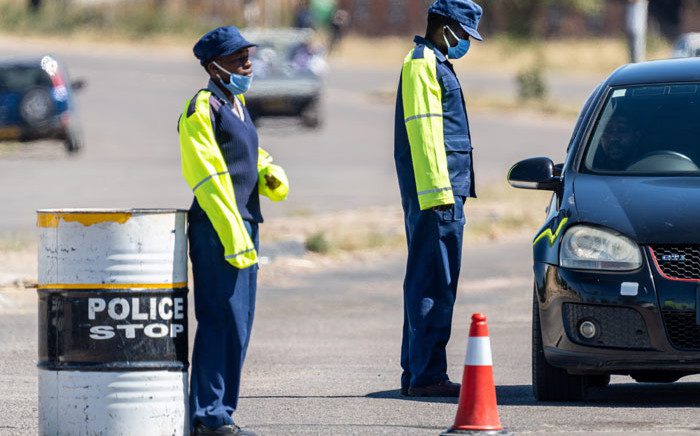
Zimbabwe has a major staffing gap in its police force, with only about 14 000 officers in service against a recommended establishment of 50 000, government has told Parliament.
The figures were disclosed by the Minister of Home Affairs and Cultural Heritage, Kazembe Kazembe, during a parliamentary session following questions on policing capacity and recruitment.
MP Lynette Karenyi questioned whether the construction of new police posts could be undermined by a shortage of officers.
“So, does it mean that at the moment we have very few police officers in our country? If there are few, what is hindering them from being increased so that they can be able to work in the environments where we come from?” she asked.
On this topic
She further pressed the minister on what the staffing situation meant for policing across the country.
“If it is like this in our country, what does it mean? Does it mean there are no police officers in the country?” she said.
In response, Minister Kazembe said the issue was not about having “very few” officers, but about a shortfall against the official establishment.
“I did not say that there were a few police officers, but we are expecting a certain establishment. For instance, we are expecting to have 50,000 police officers in line with our population,” he said.
He confirmed that the current police strength stands at 14 000 officers, leaving a gap of 36 000 compared to the target establishment.
Kazembe said the shortfall has been driven by attrition, including resignations, retirements and officers leaving the service.
“We have a shortage because some police officers are changing professions, some are resigning and some are retiring,” he said.
He added that recruitment is ongoing but constrained by approvals from the Treasury and the Public Service Commission.
“We are recruiting every year and training about 1 000 to 2 000 officers,” he said.
The minister said government remains committed to reaching the 50 000 establishment, but acknowledged that current recruitment levels are insufficient to quickly close the gap.
Support CITE’s fearless, independent journalism. Your donation helps us amplify community voices, fight misinformation, and hold power to account. Help keep the truth alive. Donate today







Leave a Reply