
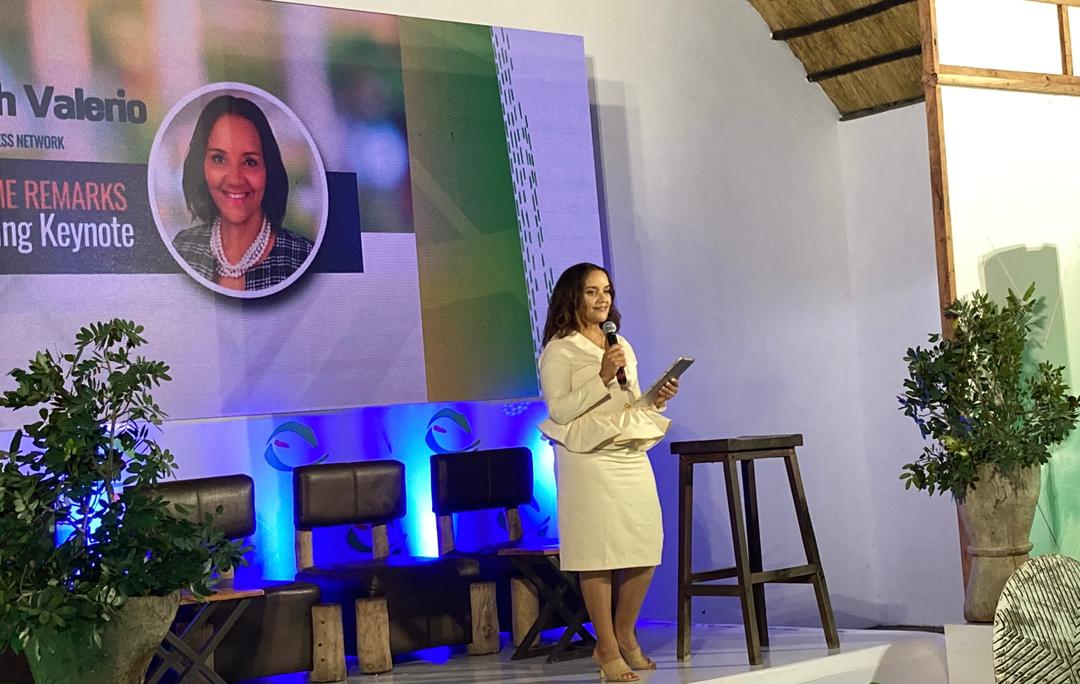
African entrepreneurs have been urged to strengthen production capacity and systems to fully benefit from growing continental integration in the business sector.
These remarks were made by the founder of the Entrepreneurial and Leadership Initiative for Sustainability in Africa (ELISA), Elizabeth Valerio, speaking at the 2026 ELISA Business Summit.
The summit, held in Hwange on Thursday, ran under the theme “Business Beyond Borders”, and was attended by various business leaders and entrepreneurs from across Africa.
It (summit) is intended to move beyond dialogue to practical engagement, focusing on improving trade frameworks, supply chain resilience and leadership across jurisdictions.
On this topic
Valerio noted that while Africa’s markets are becoming increasingly interconnected, many enterprises remain ill-prepared for the demands of cross-border trade.
“Integration is advancing across Africa, but integration without capacity creates exposure. Integration without production creates dependence,” she said.
She highlighted that regional trade frameworks are evolving and corridors are strengthening, but warned that opportunity alone is not enough without deliberate positioning by businesses.
“The question is not whether opportunity exists on this continent. The question is whether we are positioned for what is to come,” she said.
Valerio said many African enterprises are expanding beyond their home markets, but success requires more than ambition, highlighting the need for systems, supply chains and leadership capable of navigating different regulatory environments.
“It demands discipline, it needs supply chains, and it demands capital aligned with long-term execution,” she said.
She also noted that structural weaknesses across African markets, shaped by decades of operating within single-market survival models, continue to hinder competitiveness at a continental level.
“We are now entering a phase where competitiveness is measured regionally, not within a single market. This shift is not automatic. It must be deliberate,” she said.
She emphasised the importance of value addition and local production, urging African businesses to transition from consumption-driven models to becoming producers within continental trade systems.
“If our enterprises are not prepared, integration will benefit others more than it benefits us as a continent. That is a structural risk we cannot afford,” she said.
“The purpose of this summit is not ceremonial. It is about establishing clarity and driving execution,” she said.
Support CITE’s fearless, independent journalism. Your donation helps us amplify community voices, fight misinformation, and hold power to account. Help keep the truth alive. Donate today







Leave a Reply