
The demand for greater devolution of power in Zimbabwe is gaining renewed momentum, with calls for minority-language education in Chipinge highlighting wider concerns about centralised decision-making and communities’ ability to protect their cultural identities and shape their own development.
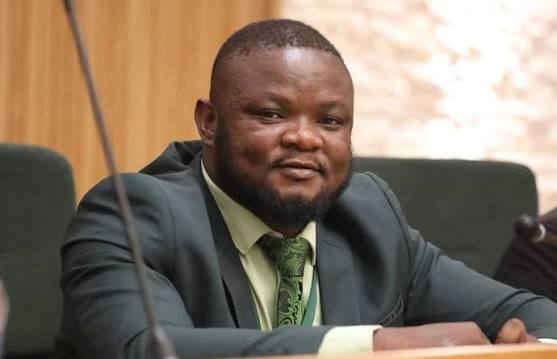
Educationist and political analyst, Future Msebele has welcomed a call by Citizens Coalition for Change (CCC) Chipinge South legislator Clifford Hlatshwayo for Ndau to be taught in schools in his constituency, arguing that language preservation requires local authority, resources and sustained investment in education.
The debate comes amid broader calls across the country for communities to have a greater say in decisions affecting their languages, public services and development priorities, strengthening the argument that devolution is a national question rather than a concern confined to Matabeleland.
Last Friday, Hlatshwayo made the call at the Matlharihasi Festival at Hakamela Stadium in Chipinge South that the education system should better reflect the language and cultural identity of the Ndau-speaking community.
On this topic
“What pains me is we are forced to learn a language that is alien to us. We are Shanghani, we are Ndau; let us learn our language. Learning in Shona is colonisation. The government should support our indigenous language,” Hlatshwayo said.
The MP also called for Ndau-speaking teachers to be deployed in the district and opposed the introduction of the Mbende Jerusarema dance as a compulsory component of the Heritage-Based Curriculum, arguing schools should teach dances rooted in local traditions.
Msebele, also a former ZAPU treasurer-general said these concerns raised in Chipinge reflected a longstanding argument for minority rights and a more decentralised approach to governance, something which ZAPU advocated for.
“Democracy is not only the rule of the majority. It is measured by how well the rights of minorities are protected,” he said, warning that treating smaller communities’ languages and cultures as an inconvenience undermines meaningful inclusion.
The educationist argued that Zimbabwe’s constitutional recognition of 16 official languages must be matched by practical measures to make sure children can learn them, teachers are available to teach them and educational materials are developed.
“Ndau and the other official languages should be taught in their home districts,” Msebele said, adding that local universities and teachers’ colleges should help train educators and produce appropriate learning materials.
However, he cautioned that introducing a language into the curriculum without adequate teachers, resources and continuity between primary and secondary education could leave learners unable to continue studying it.
He cited Nambya and Tonga language education in Hwange as an example of the planning challenges involved.
Msebele cited reports that indicated 84 Nambya-speaking teachers had been recruited by the government since 2023, but only nine were at secondary-school level.
He said some schools continued to face shortages of secondary teachers, while some trained educators were reportedly deployed outside the district.
“These figures demonstrate the practical questions that arise when language policies are introduced without sufficient investment in teacher training, deployment and learning materials,” said the educationist.
“This is why people are long advocating devolution of power, not mere deconcentration.” Msebele said there should be a distinction between transferring meaningful decision-making powers to communities and establishing local offices that simply implement instructions from the central government.
“Language preservation should not depend on the goodwill of distant officials,” he said, arguing communities should have the authority and resources to plan teacher training, develop educational materials and protect their cultural heritage.
Critical studies scholar, Dr Khanyile Mlotshwa, said the debate reinforced the growing demand for devolution across Zimbabwe, with communities seeking greater influence over decisions affecting their daily lives.
“There is no running away from devolution, as we can see the demand for devolution is growing stronger across Zimbabwe,” Mlotshwa said.
“From language and cultural preservation to the delivery of public services and equitable distribution of resources, the calls reflect growing frustration with centralised decision-making and a desire for communities to have a greater say in their own development.”
Meanwhile, Msebele also said Zimbabwe should also consider a federal system potentially organised around five provinces or federated regions, allowing regional governments greater authority over local priorities.
“The present debate should also encourage us to think more ambitiously about the future constitutional organisation of our country,” he said, presenting the proposal as a starting point for a “serious national discussion.”
Msebele said a properly designed federal system could give regional governments greater authority to address the distinctive cultural, linguistic, economic and developmental needs of their communities.
It could allow regional institutions to develop education policies and cultural programmes that respond to local circumstances while respecting national standards and fundamental rights.
“Federalism would also confront a deeper problem: the excessive concentration of political, administrative and economic power at the centre. When nearly every important decision is made from Harare, communities are reduced to petitioners in matters that directly affect their survival, dignity and development,” he noted.
“That arrangement does not merely produce inefficiency; it reproduces marginalisation, weakens accountability and makes resocialisation into a common national project more difficult.”






Leave a Reply