
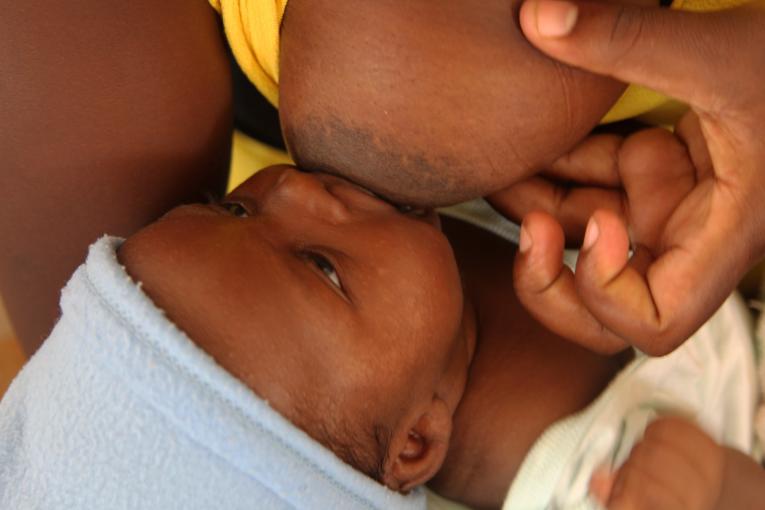
The Bulawayo City Council (BCC) Health Services Department targeted teenage mothers during this year’s World Breastfeeding Week, highlighting the social pressures and practical challenges that can prevent young mothers from receiving adequate support.
According to the latest full council minutes, adolescent mothers may face fear of disclosure, family pressure and the challenge of returning to school, which can discourage them from seeking breastfeeding support.
“Teenage mothers often faced fear of disclosure, family pressure, and an early return to school, which can push them toward secret mixed feeding instead of open support,” the council minutes stated.
The report recommended non-judgmental breastfeeding counselling, mental health support and mentor mother programmes to help young mothers navigate these challenges.
On this topic
“Non-judgmental breastfeeding counselling paired with mental health support, and mentor mother programmes were proposed, while families were urged to link them to counselling to ensure that they receive emotional and professional support instead of focusing only on infant-feeding advice,” the minutes read.
World Breastfeeding Week is commemorated annually from 1 to 7 August to raise awareness about breastfeeding and encourage communities to create supportive environments for mothers.
This year’s commemorations were held under the theme, “Breastfeeding for a Sustainable Start in Life: Strengthen What Works.”
According to the council minutes, the theme encouraged countries to assess existing breastfeeding support systems, measure progress and strengthen effective interventions.
“The week provided an opportunity to intensify awareness on the importance of breastfeeding and to mobilise health workers, families, communities and other stakeholders to create an enabling environment for mothers to breastfeed successfully,” the minutes stated.
The department also raised concerns about infant formula advertising and misleading breastfeeding information on social media, saying these could influence mothers’ feeding decisions.
“The growing presence of infant formula advertising in shops and media too often encouraged early, unnecessary use of formula,” the council minutes read.
The minutes called for stricter enforcement of the International Code of Marketing of Breast-milk Substitutes and urged families to distinguish commercial promotion from medical advice.
“There is need for strict enforcement of the International Code of Marketing of Breast-milk Substitutes. Families should recognise that formula marketing serves commercial interests rather than medical need.”
The report also warned that inaccurate breastfeeding advice shared on social media could harm mothers and their babies.
“Well-meaning but inaccurate breastfeeding advice circulating on social media can cause real harm. Mothers and families are encouraged to seek guidance from health facilities, qualified health workers, and trained breastfeeding specialists rather than unverified posts and videos,” the minutes read.
Meanwhile, the council said it had engaged traditional healers to strengthen community health education and collaboration with the formal health system.
A total of 42 traditional healers from various wards attended a meeting to discuss the dissemination of health information, drug and substance abuse, the early identification of unusual illness patterns, harmful practices and referrals to health facilities.
According to the minutes, the traditional healers highlighted their role in community health education, noting that they were often the first point of contact for people seeking health advice.
“They were trusted and influential figures within their communities, they were often the first point of contact for individuals seeking health-related guidance and were therefore well positioned to support referral pathways, reinforce health education messaging, and support early identification of cases requiring formal medical attention,” the minutes read.






Leave a Reply