

Leaders of the Zimbabwe Community in South Africa have intensified calls to the South African government to temporarily halt deportations and grant undocumented Zimbabweans an amnesty to allow them to recover their belongings before returning home, after witnessing first-hand the plight of returnees arriving in Bulawayo with little more than the clothes they were wearing.
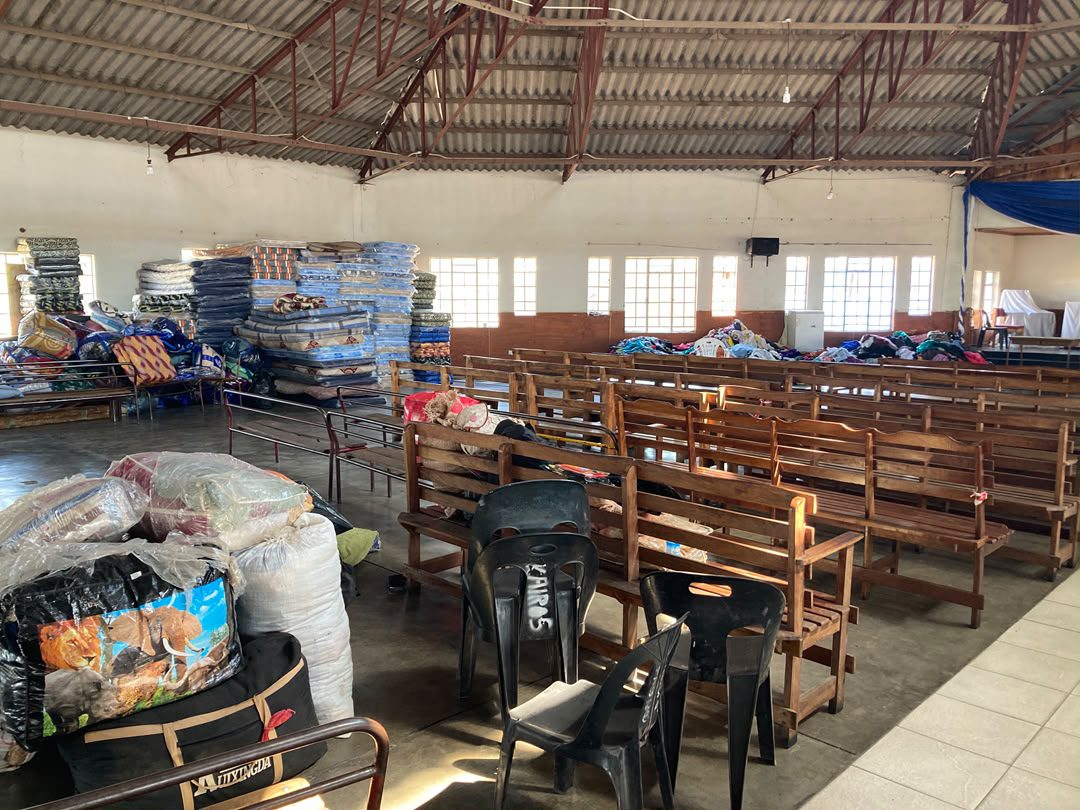
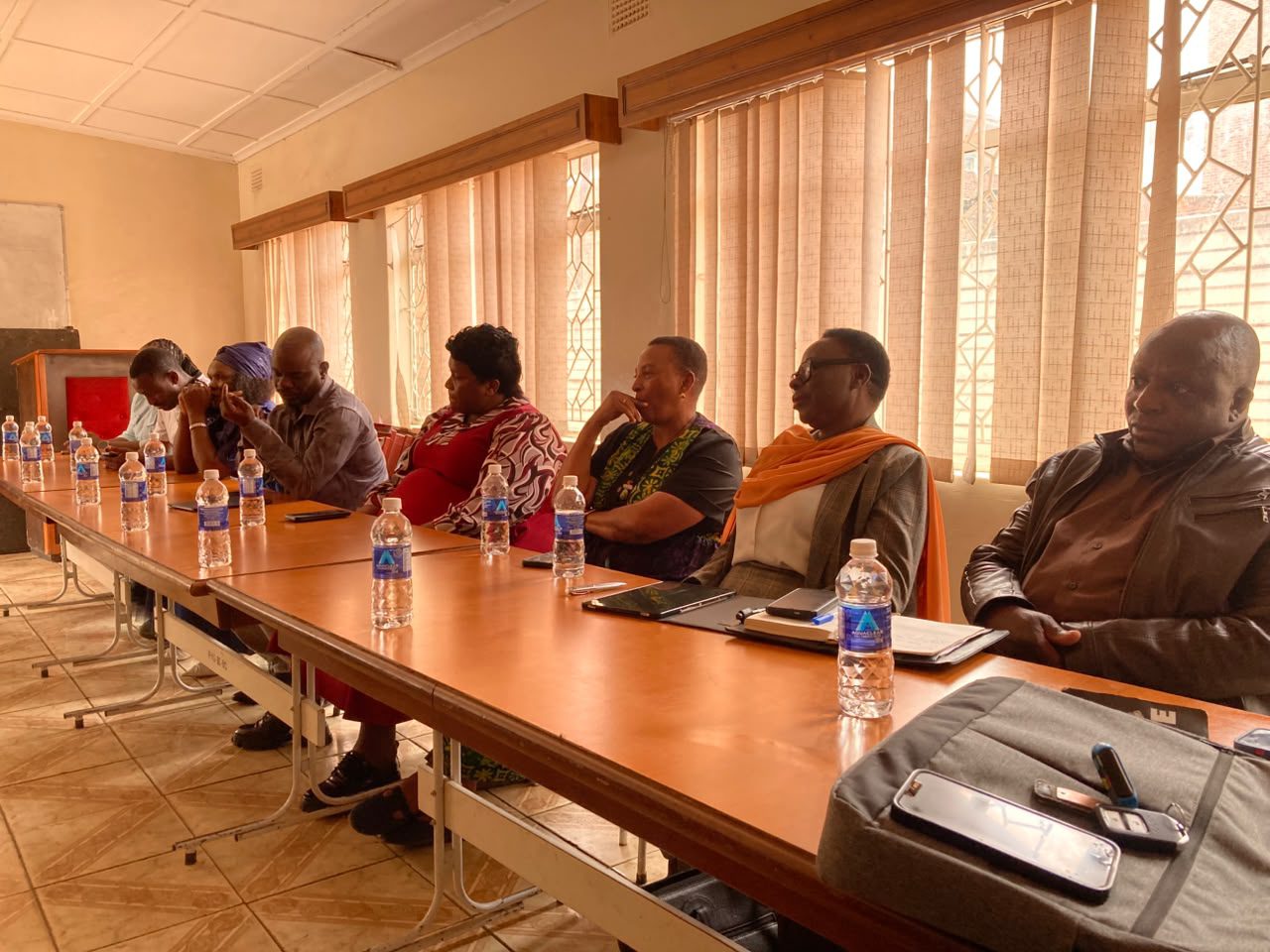
The appeal came on Wednesday after a delegation visited the United Congregational Church of Southern Africa (UCCSA) in Njube, which is serving as a temporary reception and transit centre for Zimbabweans returning from South Africa following a wave of anti-immigrant operations and deportations.
The delegation, led by chairperson Ngqabutho Nicholas Mabhena and secretary Precious Sibanda, met several Zimbabweans based there who described losing jobs, homes and possessions as they fled South Africa.
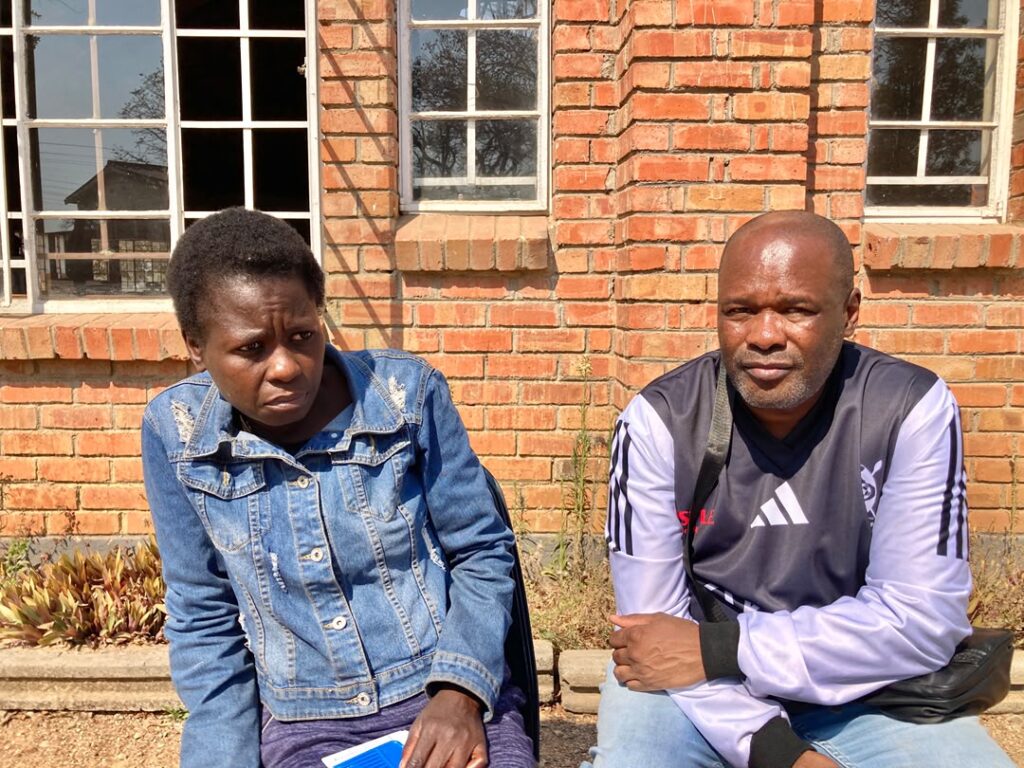
Among them was 45-year-old Angela Mugari, who arrived in Zimbabwe carrying only a few clothes after she was forced to abandon nearly everything she had accumulated during eight years of living and working in Zeerust in South Africa’ North West province.
On this topic
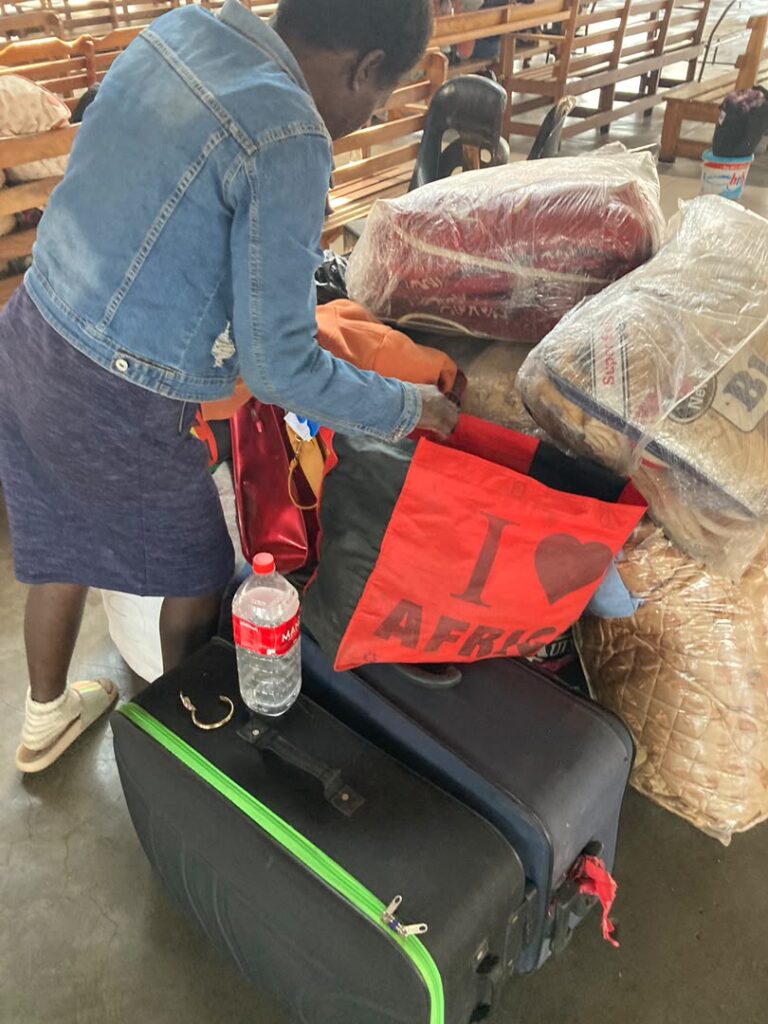
Mugari’s story reflects the reality confronting many Zimbabweans who spent years working across the border but have returned with neither savings nor possessions.
Mabhena said hearing such stories reinforced the organisation’s long-standing call for a humanitarian intervention that would allow returning Zimbabweans time to transport their property home.
“We are worried as the Zimbabwe Community in South Africa that people had to leave their property in South Africa,” he said.
He added that allowing deportees sufficient time to recover and transport their belongings would make the difficult journey home far less devastating and give families a better chance of rebuilding their lives.
“This is why we have been calling on the South African government to at least stop deportations. We raised this when we appeared before the Portfolio Committee on International Relations and Cooperation, asking that people be granted an amnesty so they can get assistance from their employers to transport their belongings back to Zimbabwe,” Mabhena said.
He said many Zimbabweans had spent years working in South Africa but were now returning home empty-handed.
“Look at Mugari. She’s here now after leaving all her property because it couldn’t fit on the bus. That is what we are talking about.”
Mabhena said another challenge facing undocumented Zimbabweans was they were losing employment without receiving their terminal benefits, leaving them with no resources to rebuild their lives once back home.
“We are experiencing a serious problem where Zimbabweans who have worked for years in South Africa, but are undocumented, are losing their jobs without benefits. They are simply coming back with nothing,” he said, noting the challenge did not end when returnees crossed the border.
“They need to start a new life, but they have nothing. As we are here, we are told buses are taking people to their communities. Once they get there, they are on their own. They have to start afresh with nothing. These are the issues that we continue to raise with both the South African and Zimbabwean governments.”
The delegation found only two families still at the transit centre, with most deportees already transported to their home districts using government-provided ZUPCO buses.
However, two buses from South Africa were expected for later that day, one arriving around 3.30pm at the other 9pm.
“We know people have been forced to leave South Africa. Most have already been assisted to return to their communities through government transport, and the church is expecting more buses later today,” Mabhena said.
In an interview with CITE, Mugari was sad that her journey home marked the end of nearly a decade of trying to build a life in South Africa.
Originally from Chipinge and married in Lubimbi, Binga, she had been working as a domestic worker in Zeerust since 2019.
Mugari said her ordeal began on Friday morning when a group of anti-immigrant protesters arrived at her home.
“We were attacked on Friday. The protesters came to my home around seven in the morning while I was with my daughter. They told me that by the time they returned around 8pm, I should have left,” she said.
“I only managed to carry a few clothing items.”
Everything else was left behind.
“I left two beds, a kitchen unit, sofas and a three-door wardrobe. I was renting three rooms,” Mugari said, adding the protesters reminded her that foreigners had previously been warned to leave.
“They said, ‘By June 30 we told you to go, so what are you still doing here?’”
Her 14-year-old daughter, who had been attending Grade Eight in South Africa, accompanied her back to Zimbabwe, while her husband, a builder, remained behind after failing to board the overcrowded repatriation bus.
“The bus was already full because it had picked up people from Mafikeng before coming to Zeerust. My husband will follow later,” Mugari said.
“I was hurt after living there for eight years to leave without anything.”
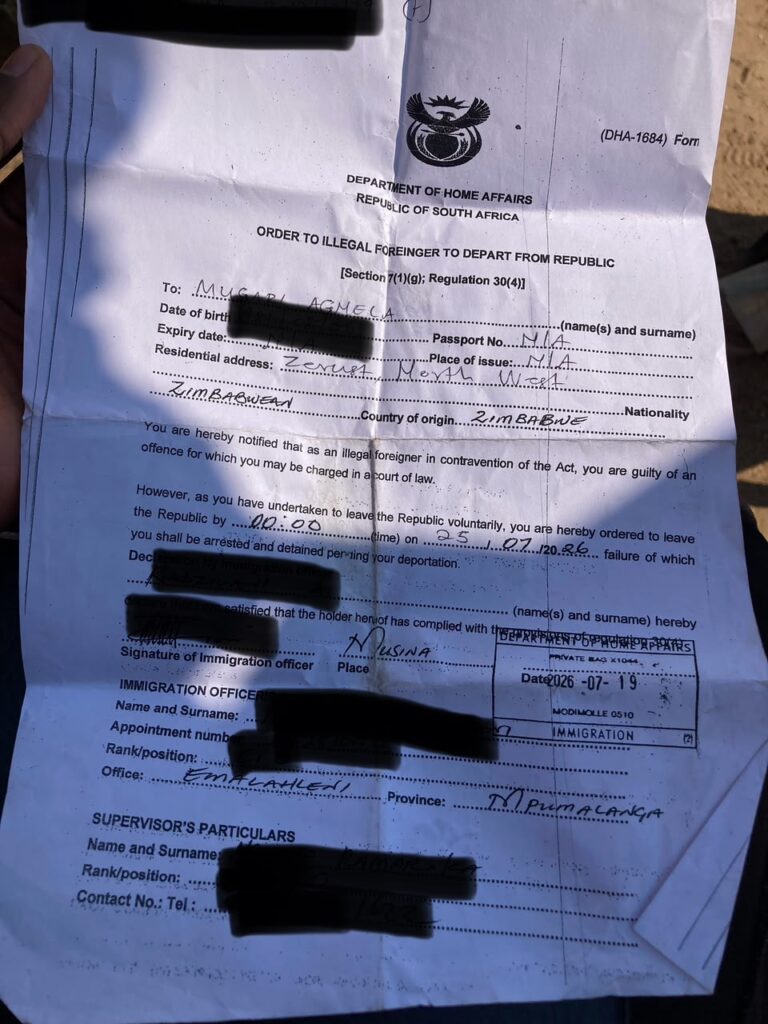
At the Beitbridge border post, Mugari was issued with documentation instructing her to leave South Africa.
Despite the uncertainty, there was a measure of hope for her daughter.
Upon arrival in Zimbabwe, Mugari received a letter from the Provincial Education Services addressed to the headmaster of Lubimbi Secondary School directing that the child be enrolled in Form One, in line with Circular 8 of 2026, which facilitates the enrolment of returning learners.
The circular also directs registry officials to assist children who lack birth certificates and parents without identity documents.
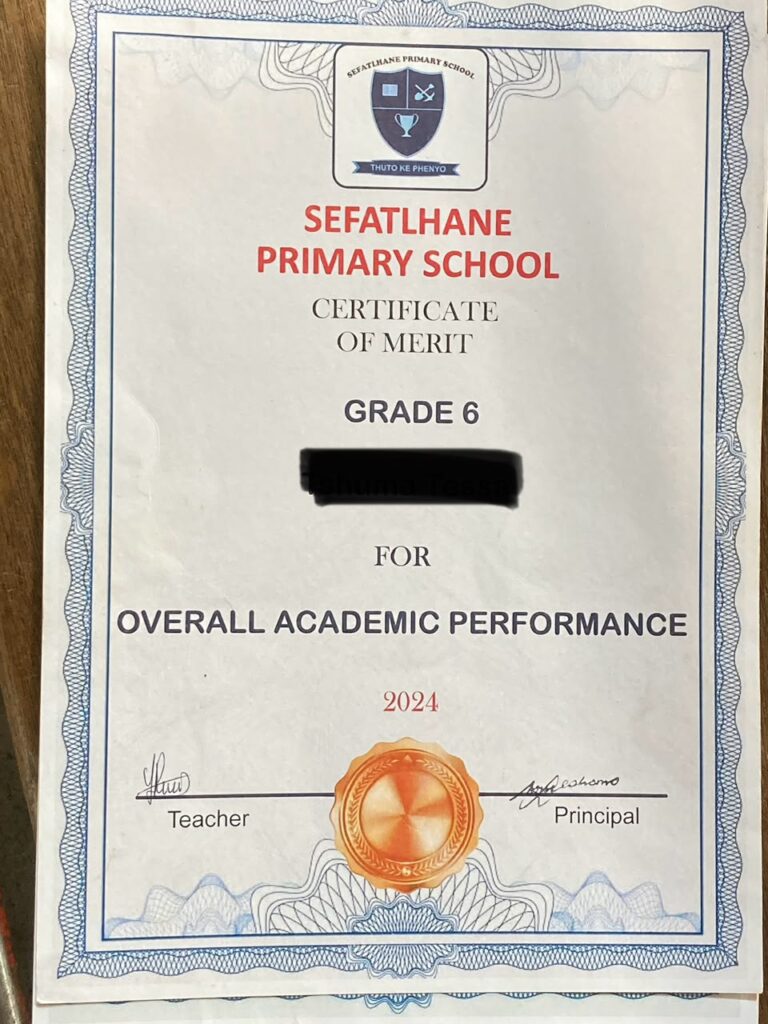
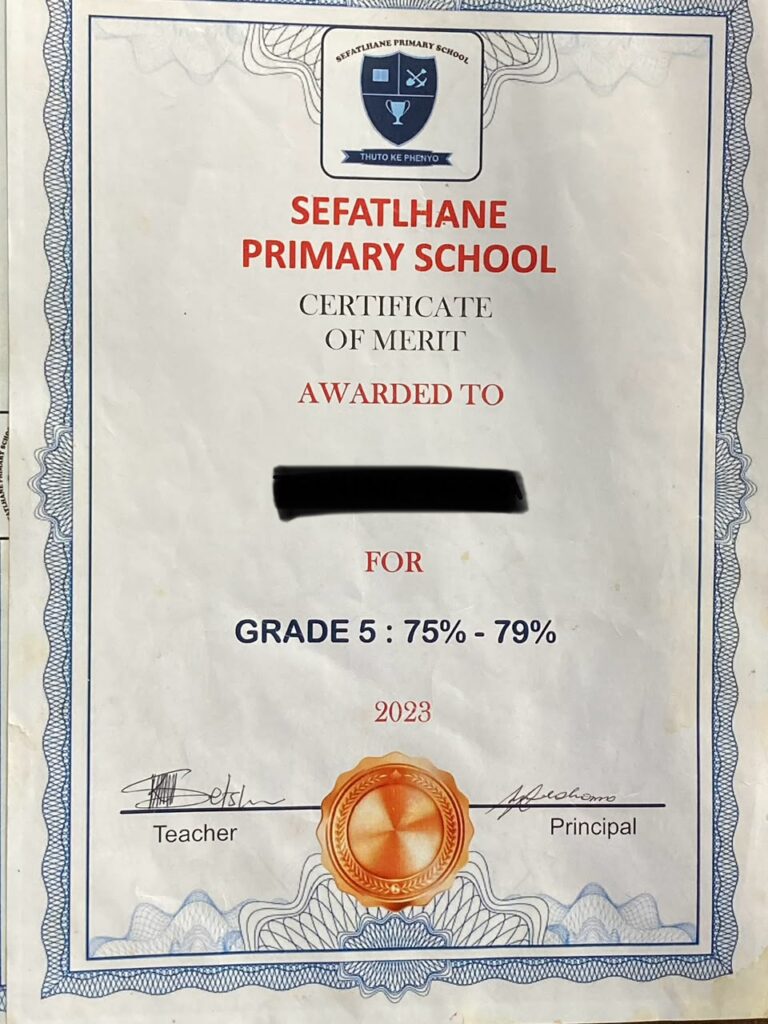
Mugari also showed her daughter’s previous school reports, saying she was determined to make sure the teenager continued her education.


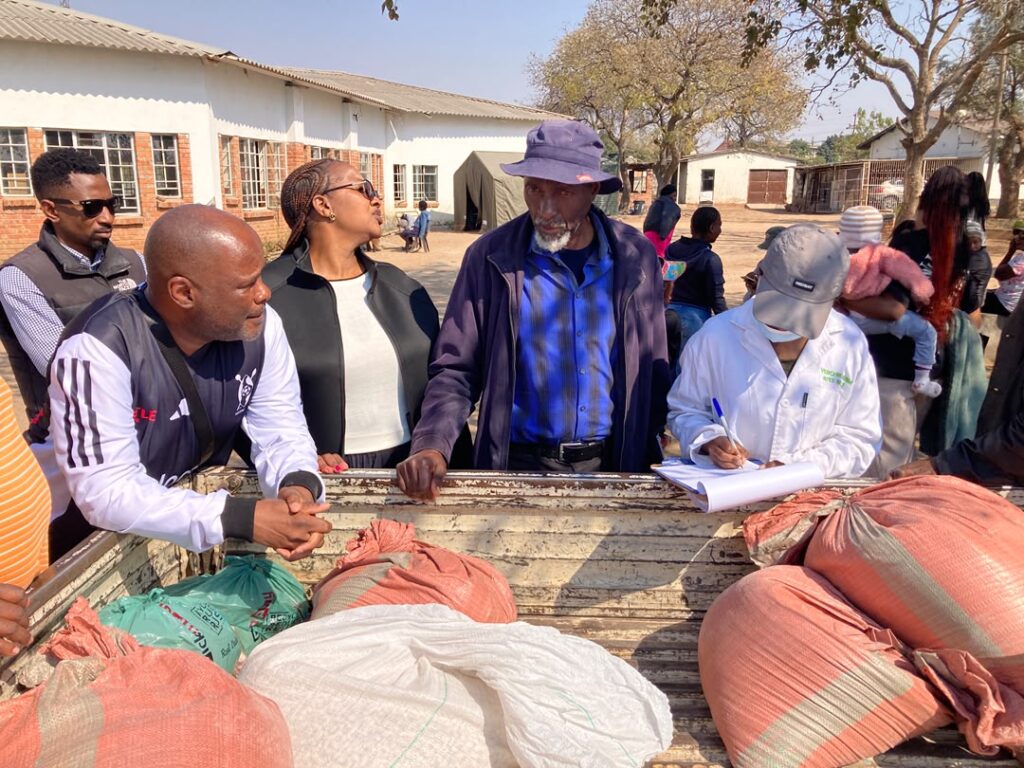
The Zimbabwe Community in South Africa also delivered humanitarian assistance collected by ordinary Zimbabweans determined to support returning families.
Fabion Nkomo, chairperson of Makhokhomba Village in Umguza, said villagers had pooled together food donations.
“We donated six buckets of maize, which my son helped grind into a mealie meal. We also received another bucket of maize and four dressed chickens from Mr Sikhuni, who lives along Airport Road,” he said.
A Bulawayo community member, Trust Mkhwananzi, who accompanied the delegation, urged communities across Zimbabwe to embrace returning migrants rather than stigmatise them.
“Let us continue helping our children,” he said.
“This challenge now requires all of us to support them. We must encourage them because life is not easy. Let us help them work together on projects that will enable them to survive instead of becoming vulnerable to people who may exploit them or draw them into criminal activities.”



Leave a Reply