
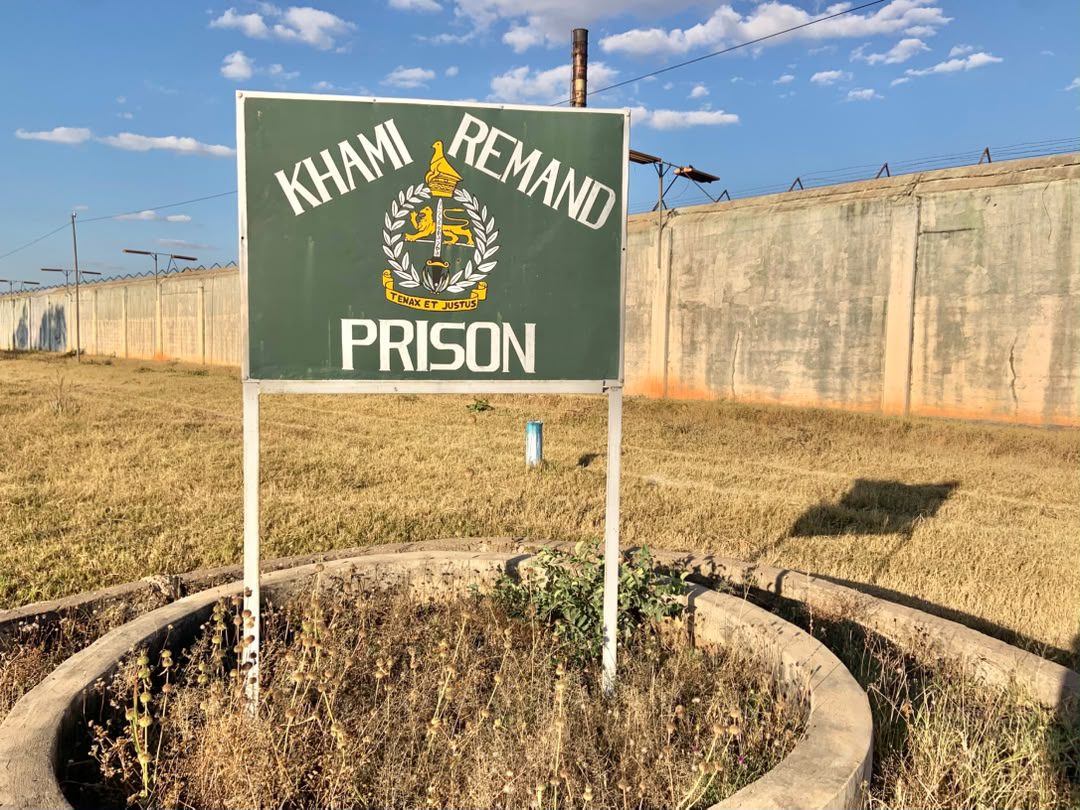
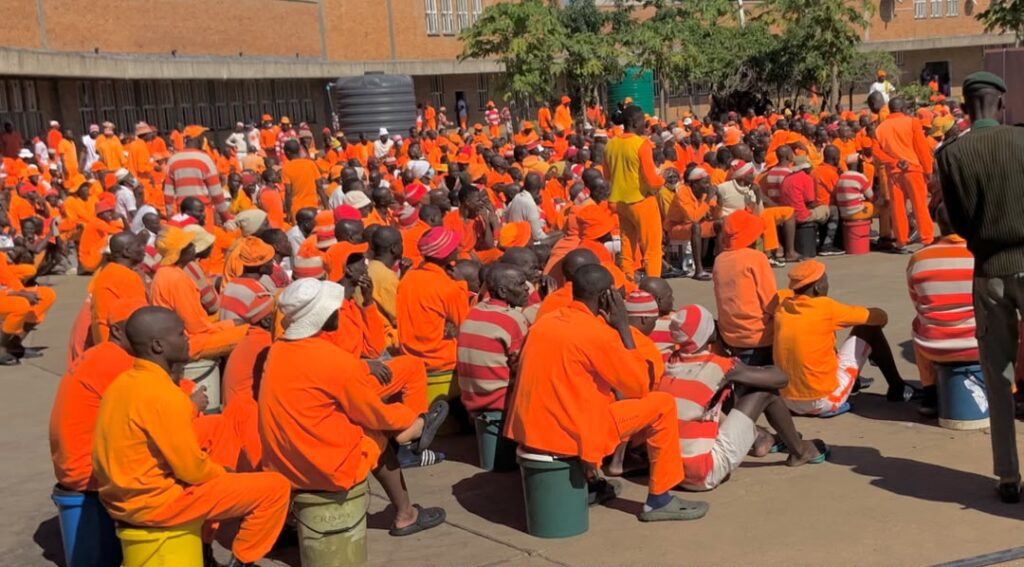
Bulawayo’s correctional facilities are grappling with severe overcrowding, with the inmate population exceeding approved holding capacity by more than 900 prisoners, placing significant pressure on accommodation, healthcare services and rehabilitation programmes.
The situation was revealed during a recent media tour jointly organised by the National AIDS Council (NAC) and the Zimbabwe Prisons and Correctional Service (ZPCS) Public Relations Office, aimed at promoting transparency, public accountability and awareness of inmate health and rehabilitation programmes.
Speaking on behalf of Bulawayo Metropolitan Province Officer Commanding Commissioner Mkhulunyela Ngwenya, who was away on official duties, Khami Maximum Prison Officer-in-Charge Chief Superintendent, Panonesta Chemugarira, said the province’s prisons are housing 5 456 inmates against an approved capacity of 4 554.
“This has resulted in an overpopulation of 902 inmates. The greatest pressure is experienced at Khami Maximum Prison, Khami Remand Prison and Mlondolozi Prison,” he said.
On this topic
The Bulawayo Metropolitan Province comprises Khami Maximum Prison, which houses convicted male offenders serving long sentences; Khami Remand Prison, which accommodates both remand and convicted inmates; Khami Medium Prison, the province’s production hub; Mlondolozi Prison, which caters for male inmates with mental health conditions and female inmates requiring specialised care; Khami Workshop for vocational skills training; Bulawayo Prison and Woodvale Satellite Prison.

Chief Supt. Chemugarira acknowledged overcrowding remains one of the most pressing challenges facing correctional institutions, largely due to admissions arising from serious crimes and lengthy custodial sentences imposed by the courts.
“As you will observe during your tour, overcrowding remains one of the major challenges affecting correctional institutions. This situation is largely driven by admissions arising from serious offences and lengthy custodial sentences imposed by the courts,” he said.
Common offences committed by inmates currently under the province’s custody include murder, armed robbery, rape, theft, attempted murder, robbery and carjacking.
The overcrowding, Chief Supt. Chemugarira said, has far-reaching implications.
“Overcrowding places significant pressure on accommodation facilities, health services, food provision, security management and rehabilitation programmes. Nevertheless, we continue to make sure that inmates have access to healthcare, rehabilitation opportunities and humane living conditions within the resources available to us,” he said.
Despite the challenges, Chief Supt. Chemugarira said the ZPCS remained committed to upholding the rights and dignity of inmates in line with national, regional and international standards.
“Our operations are guided by the Constitution of Zimbabwe, the Prisons and Correctional Service Act, the United Nations Nelson Mandela Rules, as well as African Union and SADC protocols, which provide standards for the treatment and management of different categories of incarcerated inmates,” he said.
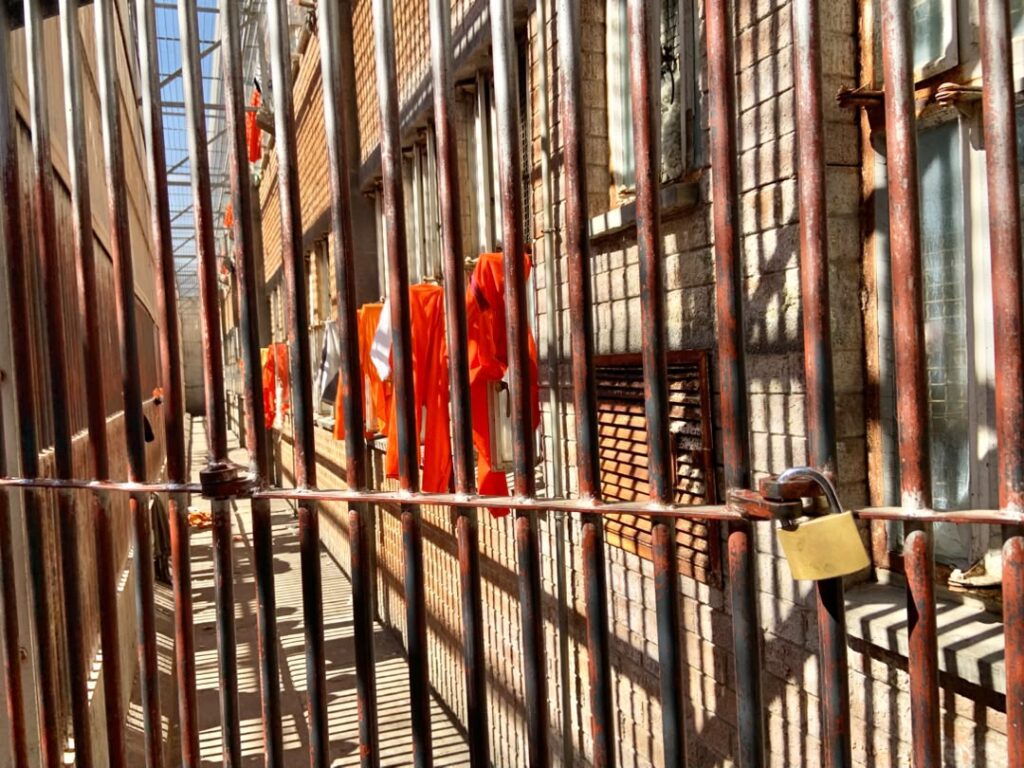
He noted that under Section 227 of the Constitution, ZPCS is mandated not only to provide safe and secure custody but also to facilitate the correction, rehabilitation and reintegration of offenders into society.
“Modern corrections go beyond punishment. It focuses on behaviour change, skills development, restoration of human dignity and preparation of offenders for productive lives upon their release,” Chief Supt. Chemugarira said.
Healthcare remains a key focus area within the prison system, with all inmates undergoing medical screening upon admission to identify communicable diseases, chronic illnesses, mental health conditions and ongoing treatment needs.
“For inmates who are already receiving treatment before admission, mechanisms are in place to ensure continuity of care throughout incarceration and, where necessary, after release,” said the prison’s Officer-in-Charge.
The prison service has also introduced peer education programmes, inmate support groups and trained inmate nurse aides to strengthen healthcare delivery and health awareness within correctional institutions.
Chief Supt. Chemugarira said inmates requiring advanced medical treatment are admitted to Khami Prison Hospital, while specialist cases are referred to Mpilo Central Hospital, United Bulawayo Hospitals, Ingutsheni Central Hospital, Thorngrove Infectious Disease Hospital and other specialised institutions.
He said authorities also make efforts to maintain communication with inmates’ families, particularly when prisoners are hospitalised or in the event of a death.
“Whenever an inmate is admitted to either an internal or external health facility, the service makes every reasonable effort to notify the inmate’s next of kin or regular visitors and advise them of any pertinent requirements,” Chief Supt. Chemugarira said.
The prison service also identified drug and substance abuse as an emerging challenge, saying a growing number of offenders entering correctional facilities have criminal histories linked to substance dependency.
“In many instances, offences such as theft, robbery and violent crimes are committed under the influence of drugs or in pursuit of sustaining substance dependency. Consequently, drug and substance abuse rehabilitation has become a major component of our correctional programmes,” Chief Supt. Chemugarira said.
He highlighted that successful rehabilitation cannot be achieved by correctional institutions alone, highlighting the role played by government departments, health institutions, faith-based organisations, development partners, educational institutions and the media in supporting offender reintegration.
“The media also assists in reducing stigma against former offenders and promotes public support for rehabilitation programmes. Ultimately, every inmate under our custody will return to society and successful reintegration requires informed and supportive communities,” he said.








Leave a Reply