
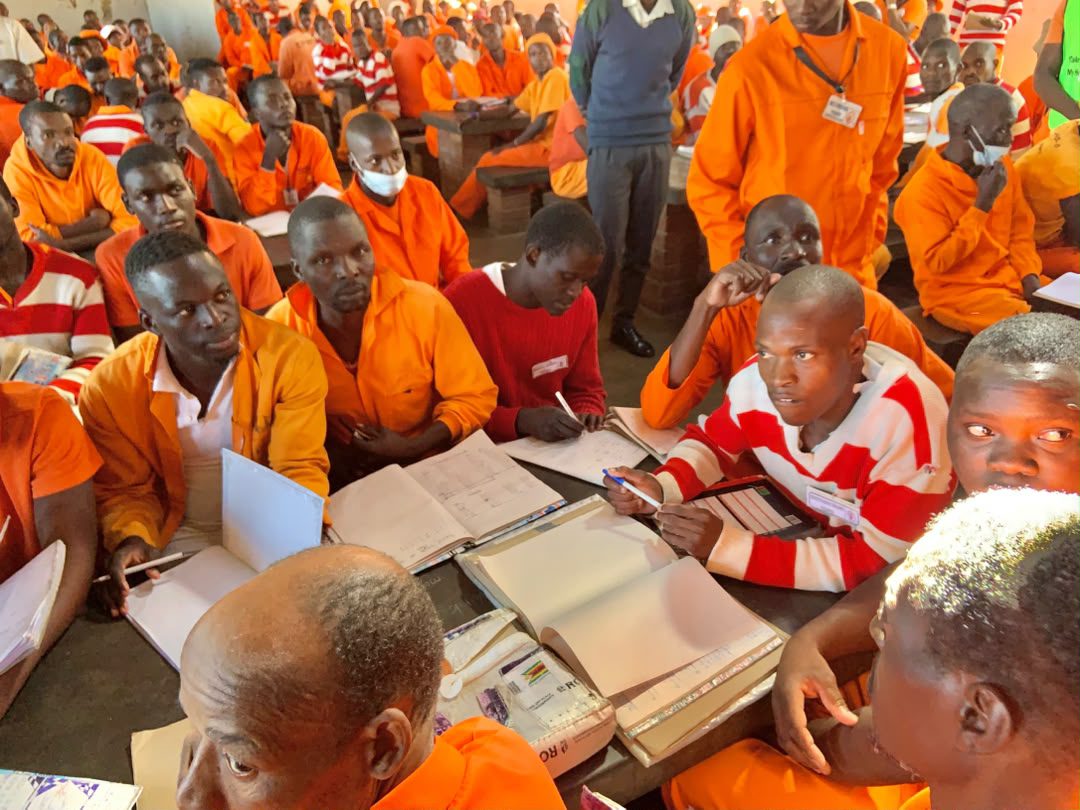
An educational success story is unfolding behind the high walls of Khami Maximum Prison in Bulawayo, as the facility’s adult comprehensive school recorded an 89 percent pass rate in last year’s O’level Zimbabwe School Examinations Council (ZIMSEC) examinations.
The Khami Maximum Comprehensive Adult School, operating within one of Zimbabwe’s most secure correctional facilities, currently enrolls 602 students and with 71 teachers made up of inmates.
The school provides education ranging from Early Childhood Development to tertiary-level programmes, including motor mechanics, building studies, plus university degree courses offered in partnership with the National University of Science and Technology (NUST) and Midlands State University (MSU).
During a recent tour of the facility organised by the National AIDS Council (NAC) and Zimbabwe Prisons and Correctional Service (ZPCS), to showcase health, rehabilitation and reintegration programmes, inmates were observed attending lessons in classrooms similar to those found outside prison walls.
On this topic
One notable feature was the inclusion of sign language lessons, which have become compulsory to allow effective communication with hearing-impaired persons within the correctional environment.
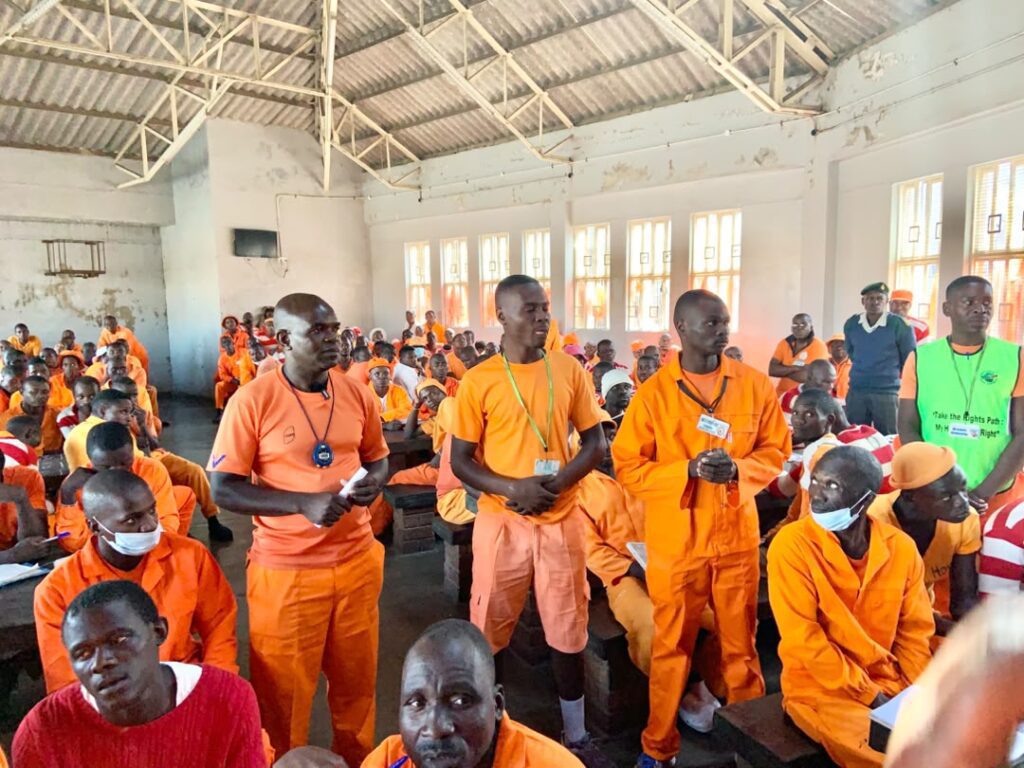
School secretary, Sizwesenkosi Hlongwane (47), an inmate serving a 24-year sentence for armed robbery, said the institution’s success was reflected in the strong examination results and growing enrolment.
“We have an ongoing school with an enrolment of 602 students and a staff complement of 71 teachers. Last year we achieved an 89 percent pass rate in the ZIMSEC examinations,” he said.
The school has 277 primary learners and 84 secondary students.
A further 99 inmates are studying building while 71 are enrolled in motor mechanics programmes.
Hlongwane said education became his turning point after he arrived at Khami in 2023.
“I had been removed from the life that I was used to outside, which was the life of crime and I realised that crime does not pay,” he said.
Determined to reform, Hlongwane joined the prison’s education programme and now teaches English while serving as the school’s secretary.
“I teach English for both inmates and other students who come from outside. I am doing these activities as a way of correcting myself for the wrong things that I was doing outside,” he said.
Hlongwane said incarceration had forced him to confront the impact of his actions on his family.
“I am married and I have children outside. Those children are now effectively orphans because of my criminal behaviour. I decided to take part in these reformative activities so that when I go outside after completing my sentence, I am a reformed person. I do not have to go back into crime because I have seen the bad side of it,” he said.
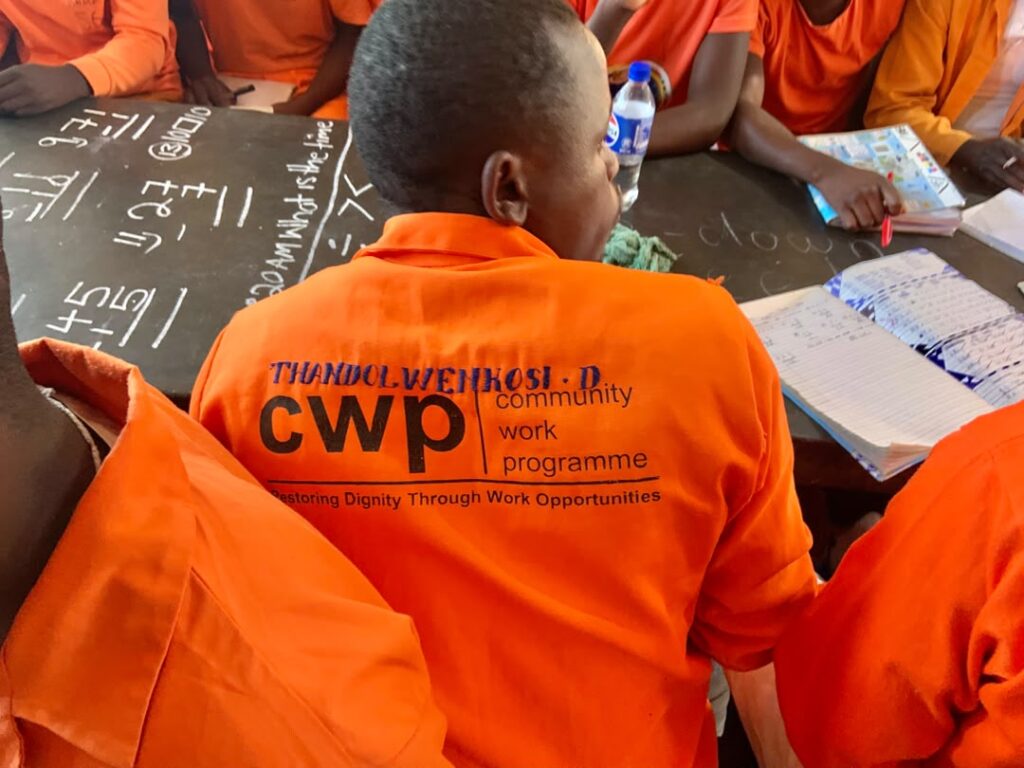
Having passed five O-Level subjects before imprisonment, Hlongwane said he was using his education to help others gain literacy and academic qualifications.
Another inmate, Stanford Ngoya (46), serves as deputy headmaster of the prison school.
He is serving a sentence linked to fraud and theft offences committed while working in the insurance sector.
Ngoya said education had transformed his outlook on life since entering the prison system.
“The first thing I realised was that if I wanted to avoid crime in future, I had to go into education,” he said.
Armed with diplomas in insurance and marketing, Ngoya began teaching commerce to fellow inmates in 2019.
“So far, I have maintained a 100 percent pass rate in commerce. Some of the inmates I taught have since gone out and are teaching outside. Others are working at different companies, while some are still here pursuing further studies,” he said.
Ngoya said teaching had given him purpose and helped him avoid behaviours that could derail his rehabilitation.
“Education has assisted me a lot because I am no longer involved in activities that affect my life negatively. Through education and church programmes, I have learned that crime does not pay,” he said.
Ngoya is among inmates who recently benefited from a presidential amnesty and is expected to be released this year in July instead of 2031.
“When you commit crime, you are not the only one who serves the sentence. Your family, your wife and your children also suffer. I have learned to do formal work and to have patience because it will pay off,” he said.
Ngoya described Khami’s educational programme as a comprehensive pathway that accommodates learners at every stage.
“Some inmates start at ECD level and cannot even write their names. We assist them from ECD up to Grade Seven, then secondary school and A’level. After A’Level, there are tertiary opportunities.”
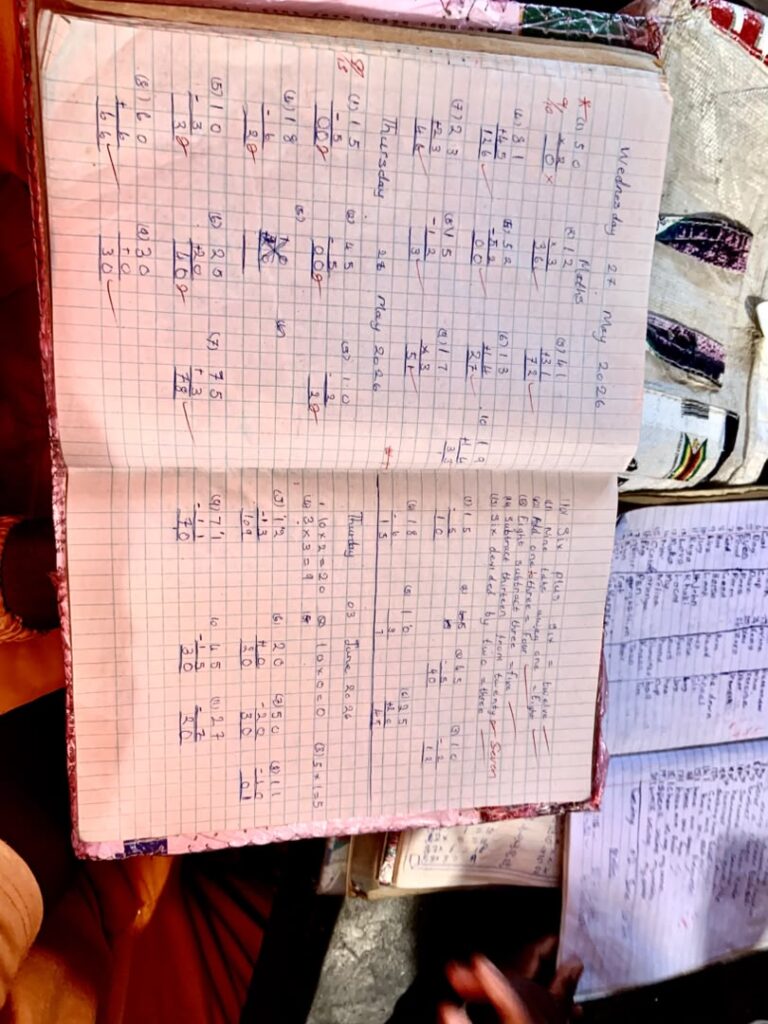
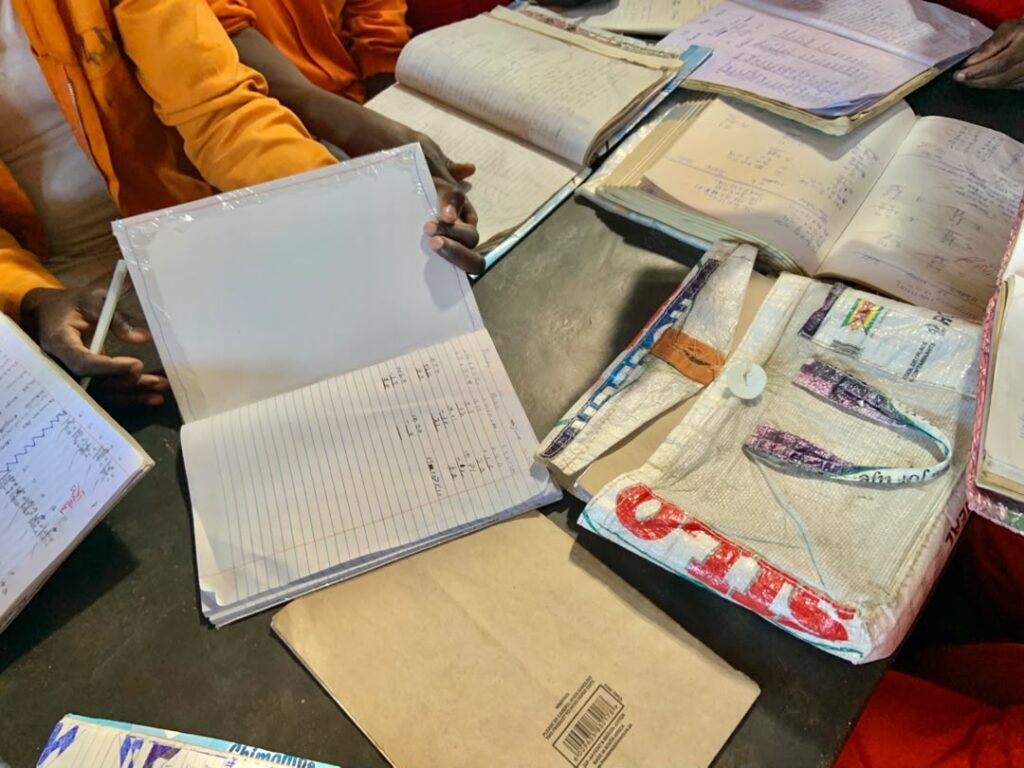
He said inmates can enrol in vocational and professional programmes including motor mechanics, auto engineering, building studies, finance management and business administration.
Partnerships with tertiary institutions have expanded educational opportunities available to inmates.
Some are studying through the Zimbabwe Institute of Management, while others are pursuing university degrees with NUST and MSU
“Universities send their lecturers here to assist students who are pursuing degrees. Institutions like IPMZ also come and support learners,” Ngoya said.
He stated that the prison school mirrors the structure of mainstream schools.
“We teach from Monday to Friday. In the morning we do three periods, then we have a one-hour break and another three periods afterwards. Lessons are 45 minutes each. The school operates just like any formal school outside.”
Ngoya said the school has become more than an educational institution and had become a symbol of second chances.
“We are not inmates but students behind walls,” he said.
Support CITE’s fearless, independent journalism. Your donation helps us amplify community voices, fight misinformation, and hold power to account. Help keep the truth alive. Donate today







Leave a Reply