
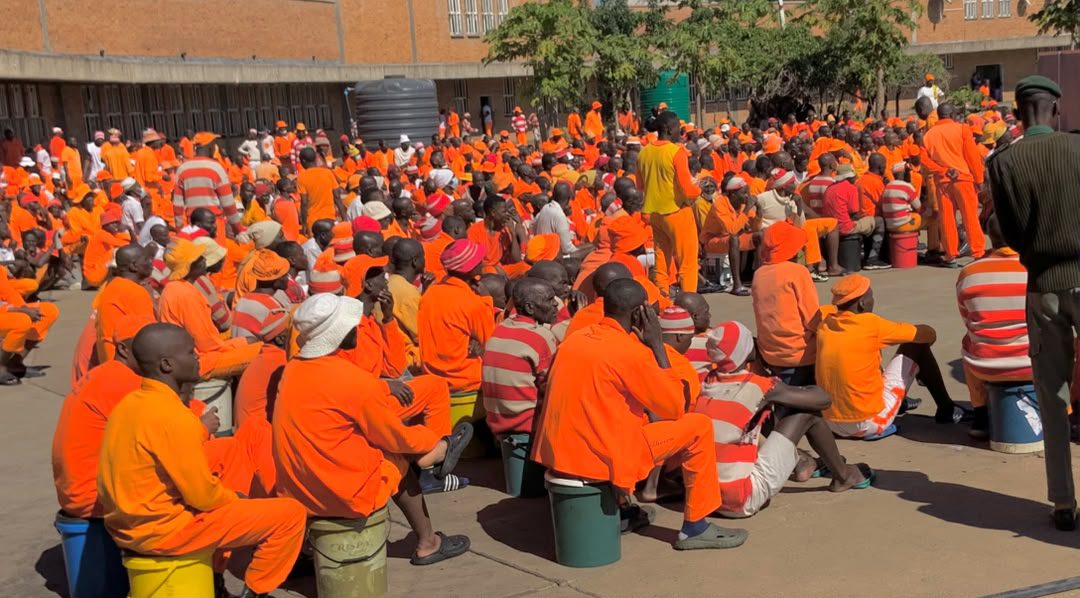
A peer education programme supported by the National AIDS Council (NAC) reached 483 inmates at Khami Prison Complex in the first three months of 2025, resulting in 28 HIV tests and four new positive cases who were immediately initiated on antiretroviral therapy, officials have disclosed.
The Key Populations Programme, rebranded from the age-restricted Brotha2Brotha initiative in 2023 and expanded to 10 peer educators in 2024, operates across five correctional facilities in Bulawayo Metropolitan Province, targeting HIV prevention, tuberculosis (TB) and non-communicable diseases (NCDs) among incarcerated persons.
“The programme is going on so well with 483 peers reached by the first quarter of 2025,” said Ncobeni Mutale, Luveve District AIDS Coordinator.
“Out of the 483 who were reached, 28 were tested for HIV and four tested HIV positive. The four were initiated on ART.”
On this topic
The peer educators, all inmates themselves, each manage a cohort of 50 peers, conducting health sessions and referring inmates for HIV testing and other services.
The programme currently operates with 10 peer educators, five at Khami Maximum Prison, three at Khami Remand, one at Khami Medium and one at Mlondolozi.

The programme’s impact was highlighted during a recent media tour of the Khami Prison Complex jointly organised by NAC and Zimbabwe Prisons and Correctional Service (ZPCS), to showcase health, rehabilitation and reintegration programmes implemented within correctional facilities.
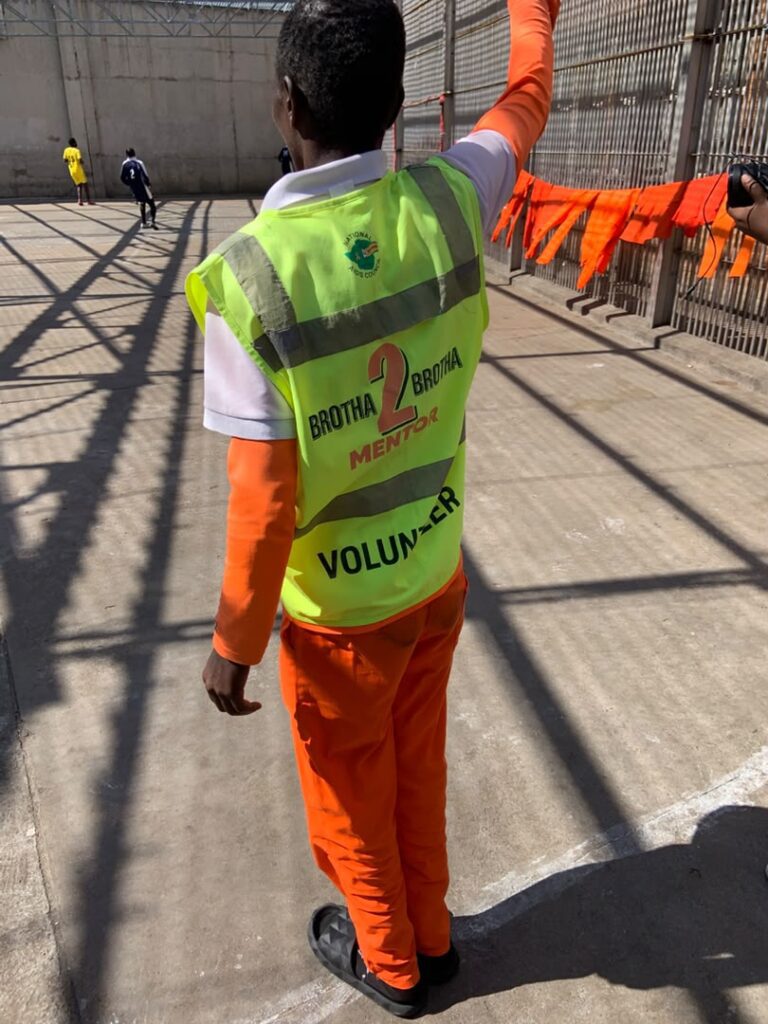
Mutale said the peer education programme began in 2020 under NAC’s Brotha2Brotha initiative with five inmate mentors.
However, the programme was restructured after prison authorities highlighted the need for broader coverage across a prison population exceeding 5 000 inmates.
“In 2023 we expanded the programme, changed it from the Brotha2Brotha programme because Brotha2Brotha mainly concentrates on the 10 to 24 age group,” Mutale said, adding the initiative evolved beyond HIV education to include primary screening for NCDs such as hypertension and diabetes.
“We started the Key Populations Programme. In 2024 we increased the number of peer educators to 10 with the same aim of providing information on HIV, TB and NCDs.”
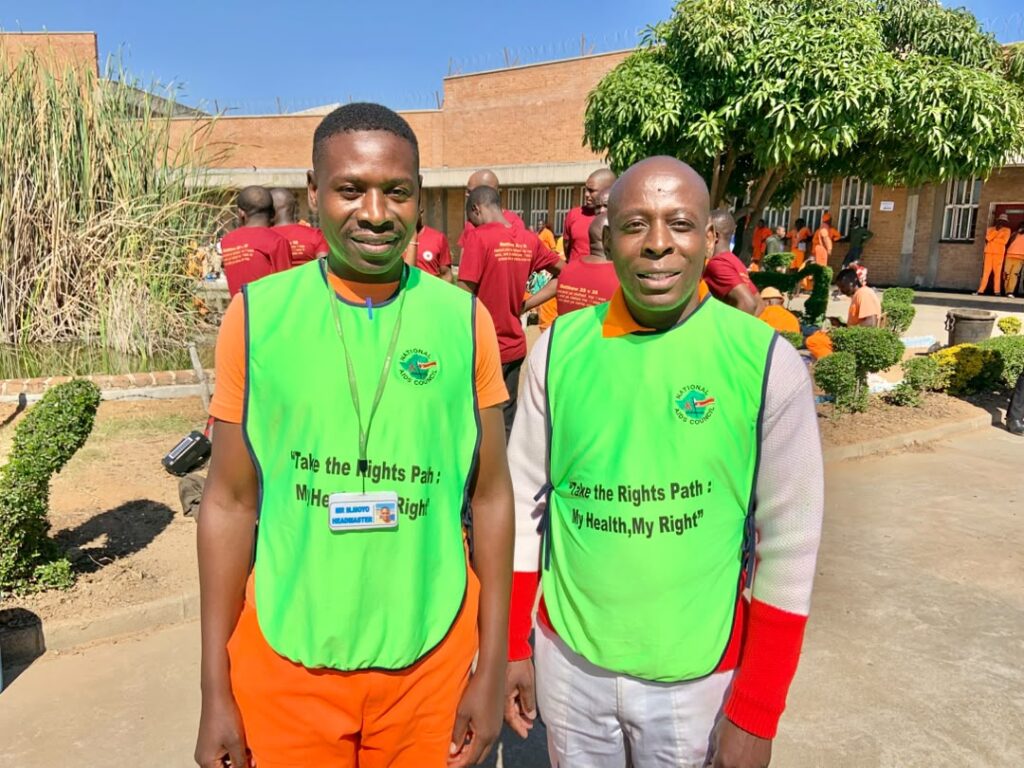
One of the peer educators, 42-year-old inmate Tonderai Marabwa, said the programme had improved the health of fellow inmates while helping them understand HIV, sexually transmitted infections and NCDs
Marabwa, arrested in 2017 for murder, said peer educators help bridge gaps between healthcare workers and inmates in a prison population numbering in the thousands.
“We are a community of thousands and if all those services were to be administered only by the hospital, they would be overwhelmed,” he said, noting peer educators also offered blood pressure checks and testing for diabetes.
“We encourage people to get tested and seek treatment early. Some are shocked to know their BP levels rise to 179 over one and immediately they are hospitalised.”
Speaking on behalf of Bulawayo Metropolitan Province Officer Commanding Commissioner Mkhulunyela Ngwenya, who was away on official duties, Khami Maximum Prison Officer-in-Charge, Chief Superintendent Panonesta Chemugarira, described NAC as a key partner in strengthening healthcare and rehabilitation services for inmates.
“NAC has played a pivotal role in strengthening HIV and AIDS interventions within our institutions through support for HIV prevention, testing, counselling, treatment adherence and continuity of care programmes,” he said.
Chemugarira said NAC had also supported the training of inmate peer educators who have become central to health promotion and behaviour change programmes inside prisons.
Beyond HIV interventions, Chemugarira said NAC had funded occupational therapy and rehabilitation projects, including income-generating initiatives and skills development programmes designed to improve mental wellness and prepare inmates for reintegration into society.
“These interventions have significantly enhanced the quality of life of inmates and contributed to a healthier and more productive correctional environment. We remain grateful for NAC’s continued partnership and commitment to leaving no one behind in the national HIV and AIDS response,” he said.
The partnership comes as correctional institutions increasingly become important contributors to Zimbabwe’s national HIV response.

According to Superintendent Betina Nonhlanhla Ndlovu, Provincial Nursing Officer for Bulawayo Metropolitan Province, a total of 792 inmates across the Khami prison complex are currently receiving antiretroviral therapy (ART).
Khami Maximum Prison accounts for 412 inmates on ART, Khami Remand Prison 225, Mlondolozi Prison 87 and Khami Medium Prison 68.
In addition, Khami Prison Hospital provides care to correctional officers, their dependents and surrounding communities, with 356 people currently receiving services.
“Our total stands at 1148 at the moment,” Supt. Ndlovu said.
She stressed HIV testing remains voluntary and is integrated into broader healthcare services.
“Education is given to an inmate through healthcare workers or peer educators, but HIV testing is voluntary, it is not mandatory,” she said.

Chief Correctional Officer, Dr Ashley Pasihapaori, Khami resident medical officer, said prison health services provide comprehensive healthcare to inmates, correctional officers and their dependents.
“ZPCS does not only correct and rehabilitate, we also care,” she said.
Pasihapaori said HIV testing and counselling services are offered free of charge to inmates upon admission and throughout incarceration.
“This is not just a clinical intervention. It is a statement that every life within those walls matters and that no one should be denied the right to know their status.”
Pasihapaori praised NAC’s support as “nothing short of transformative,” particularly through the training and support of inmate peer educators who now serve as frontline HIV awareness and prevention champions.
“Our peer educators are men and women within those walls who now serve as frontline champions of HIV awareness, prevention and support their fellow inmates.”
She added NAC had also supported voluntary medical male circumcision programmes and contributed financially and technically to annual ZPCS health conferences focused on HIV management within correctional settings.


NAC Bulawayo Provincial Manager, Sinatra Nyathi, said the organisation’s partnership with ZPCS dates back to 2017 and is guided by the principle that no one should be excluded from the national HIV response.
Initially, NAC partnered with organisations such as Inside Out Development Trust to use music, drama and poetry competitions to educate inmates about HIV and AIDS while identifying talent that could be used in awareness campaigns.
The programme later expanded to include income-generating projects such as poultry and gardening schemes, with focus shifting towards peer-led health education.







Leave a Reply