

The Zimbabwe Council of Churches (ZCC) has renewed its call for a national referendum on Constitution Amendment Act No. 3 (CAA3), warning that the enactment of the controversial law has deepened national divisions rather than settling the constitutional dispute surrounding it.
In a pastoral letter titled issued on 27 July 2026 under the biblical injunction, “Speak out, judge righteously, defend the rights of the poor and needy” (Proverbs 31:9), the church body urged the government to return the constitutional amendments to the people through a free, fair and credible referendum.
Addressing all Zimbabweans, the ZCC said it was taking “priestly responsibility, out of love for Zimbabwe as it was concerned about the integrity of the country’s constitutional democracy, peace and welfare of present and future generations.”
This call comes weeks after President Emmerson Mnangagwa signed CAA3 into law on 7 July, 2026.
On this topic
The amendments, which originated as Constitution Amendment Bill No. 3 (CAB3), generated hot debates over provisions affecting presidential and parliamentary terms, the method of selecting a future president and changes to constitutional safeguards on term limits and succession.
Although CAA3 is now law, ZCC said the constitutional dispute remains unresolved.
“We observe that the signing of CAA3 into law on 7 July 2026 has not brought the contestation of the same into finality. Instead, CAA3 has deepened national polarisation and generated serious constitutional, political, and moral contestation,” the pastoral letter reads.
The council noted several court applications challenging CAA3 have already been filed by citizens and organisations, while other Zimbabweans have announced plans to exercise their constitutional right to demonstrate against the Act on 31 July 2026.
Rather than viewing the dispute as a political contest between opposing camps, ZCC said the Constitution represents a ‘sacred covenant’ binding all Zimbabweans together.
“When the Constitution becomes a source of deep division, every responsible leader must seek a path that restores public trust, protects peace, and honours the sovereignty of the people,” said the body.
The church body maintained its position had not changed since Parliament began processing CAB3.
Throughout the legislative process, ZCC consistently argued constitutional amendments affecting presidential and parliamentary terms,how a president is chosen, and provisions relating to presidential term limits should only be approved through a national referendum in line with Section 328 of the Constitution.
“… the people of Zimbabwe should be given the opportunity to directly express their will through a free, fair, transparent, and credible national referendum,” ZCC said.
ZCC argued that constitutional amendments of such significance required an independent commission to conduct broad national consultations, rather than allowing institutions and individuals who stood to benefit from the proposed changes to oversee the process.
“A referendum would not be an act of weakness; it would be an expression of confidence in the people, a safeguard of legitimacy and a means of reducing the division now threatening our common life,” said the church body.
The council also urged all parties to respect the judicial process as constitutional challenges proceed through the courts.
“We call upon all parties to respect these judicial processes and urge the courts to discharge their constitutional mandate independently, impartially, and without fear, favour or interference,” it said.
It warned against threats, intimidation or vilification of litigants, lawyers, judges or witnesses involved in the constitutional litigation, arguing that the rule of law is tested most severely when politically sensitive constitutional issues come before the courts.
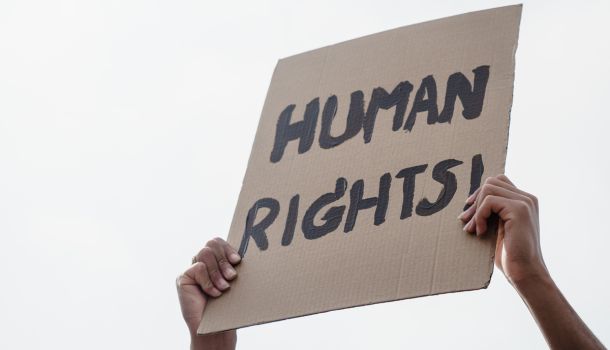
Turning to the planned demonstrations against CAA3, the ZCC affirmed citizens’ constitutional rights to assemble, petition, demonstrate and express their views peacefully under Sections 58 to 61 of the Constitution.
It appealed to those intending to protest to do so peacefully, responsibly and within the law.
“We emphasize that no protests should become platforms or occasions for violence, destruction of property, intimidation, hate speech or harm to fellow citizens.”
At the same time, the council urged the government, police and security services to facilitate rather than suppress peaceful civic action.
“There must be no arbitrary arrests, collective punishment, intimidation or use of force. The duty to maintain public order must never be used to silence legitimate dissent,” said the church.
ZCC also called for an inclusive national dialogue bringing together political leaders, churches, civil society organisations, traditional leaders, business, women, young people and citizens from across the political divide.
The council said Zimbabwe needed “an honest national conversation” rather than competing camps of winners and losers.
ZCC stressed that dialogue should not replace constitutional safeguards but instead help the country agree on an inclusive path towards a national referendum on CAA3.
The church body also rejected suggestions that raising constitutional concerns amounted to hostility towards the State or service to foreign interests.
“The ZCC rejects all attempts to portray principled constitutional advocacy as hostility to the State. Furthermore, we reject fallacies that characterise those who hold different views as serving foreign interests,” ZCC said.
The council said Zimbabwean churches had played a historic role in the country’s liberation struggle, peacebuilding, reconciliation, nation-building, and would continue speaking out where constitutionalism, justice and national unity were under threat.
“We speak at such a time as this because silence in the face of deep national polarisation and threats to constitutionalism would be a failure to our priestly, pastoral, and prophetic calling and responsibility,” said the church body.





Leave a Reply