
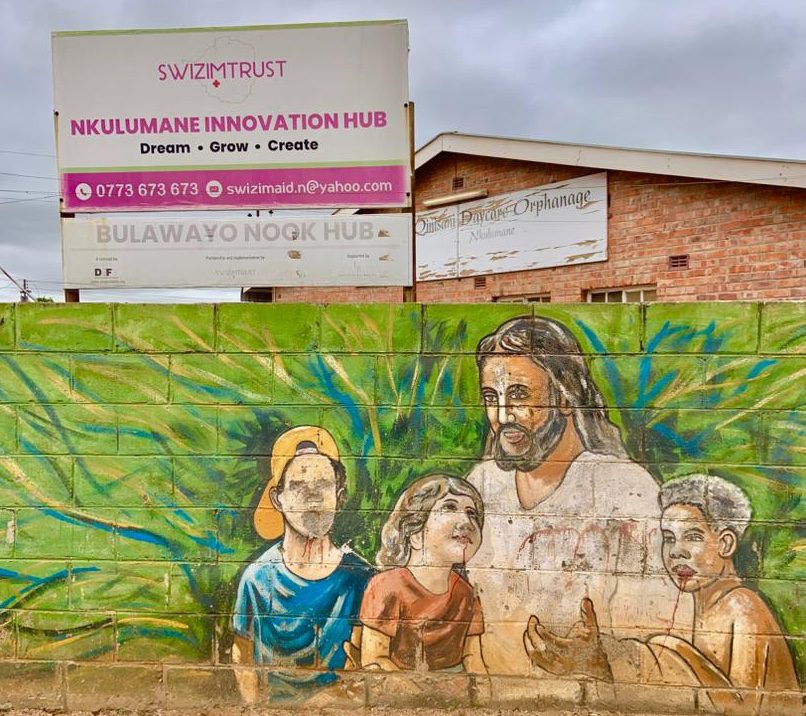
A youth-led organisation working to uplift marginalised young people in Nkulumane is facing an unexpected hurdle, or at best indifference, from the very community it seeks to serve.
SwiZim Trust, a Bulawayo-based organisation focused on empowering young people through skills development, health support and sustainable livelihoods, says lack of buy-in from older community members is undermining its efforts to mobilise youth and expand its reach.
The challenge was raised by Project Assistant Savvanna Smith during a recent media tour of the organisation’s offices, organised by the National AIDS Council (NAC).
Smith said while young people are showing interest in the organisation’s programmes, the absence of support from parents and guardians is slowing down progress.
On this topic
“We have exhibition fairs where participants showcase skills like welding, carpentry, baking, catering, make-up and hairdressing,” she said.
“What makes our model unique is that no one is boxed into a single skill from the beginning. Everyone participates across projects then only at the end do they discover where they excel and what they want to pursue.”
However, Smith noted that these exhibitions, meant to demonstrate the impact of the programmes and attract more participants, often suffer from poor attendance by community members.
“The challenge we face is community sensitisation. At the end of each cycle, we host exhibitions where beneficiaries display their projects and share their experiences, but we don’t get a strong response from the community,” Smith said.
She stressed that meaningful youth participation often begins at home, making parental involvement critical.
“I believe influence starts within the home. When elderly community members don’t attend meetings or exhibitions, it becomes difficult for us to mobilise young people. But when a parent says, ‘I heard about this youth centre,’ it encourages young people to come through. That’s how we revive these centres.”
Smith added that despite repeated invitations to community stakeholders, including local leadership, turnout remains inconsistent.
“It might be a challenge calling out for unity as youth organisations in the community, but we are not getting the response we would want from the elderly,” she said.
Smithhe noted that local leadership has shown some support.
“We invite the councillor to our exhibitions. He has attended before and spoken about issues like drug abuse and youth empowerment, which has been helpful.”
However, underlying perceptions may also be contributing to the lukewarm reception as there are allegations that the space is occasionally used for political meetings linked to a particular party, claims that could be fuelling mistrust and discouraging some residents from engaging with the organisation.
Despite these challenges, stakeholders say SwiZim Trust remains a vital resource for young people in Nkulumane.
NAC Nkulumane District AIDS Coordinator, Bekithemba Ngwenya, described the organisation as a critical safe space where youth can learn, grow and access support services.
“This is a space where young people can develop life skills and find direction,” Ngwenya said. “That is why it is important for the community to support such initiatives.”
Founded in 2019 and operational since 2020, SwiZim Trust, formerly Swizimaid Trust, has evolved from a humanitarian aid initiative into a multi-faceted organisation targeting long-term community impact.
It now operates under three key pillars: Education and Entrepreneurship, Community Health and Safety plus Smart Agriculture and Sustainability.
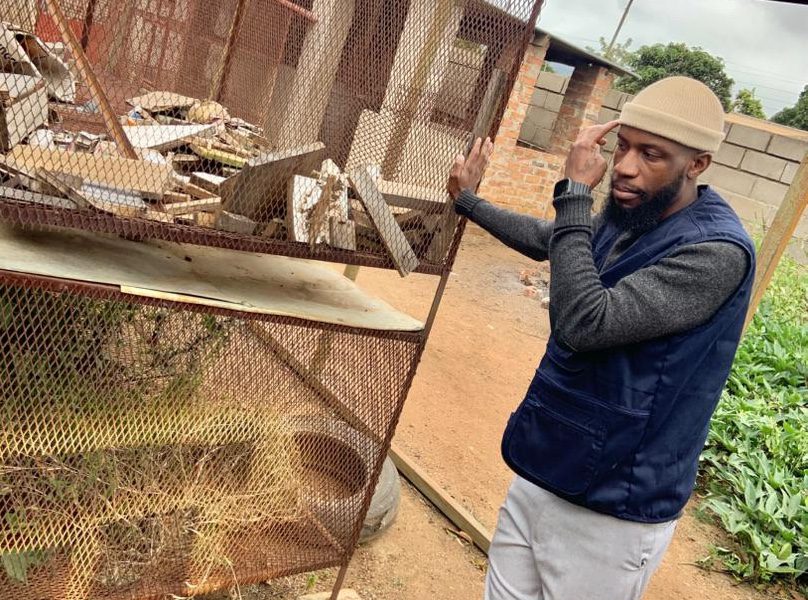
Project Officer, Peace Gumbo, said the organisation is designed to tackle poverty and inequality by equipping young people with practical skills.
“Through our Nook innovation hub, we train young people in entrepreneurship and support them in starting businesses for sustainable livelihoods,” he said.
“We are bridging the skills gap by offering hands-on training and mentorship.”
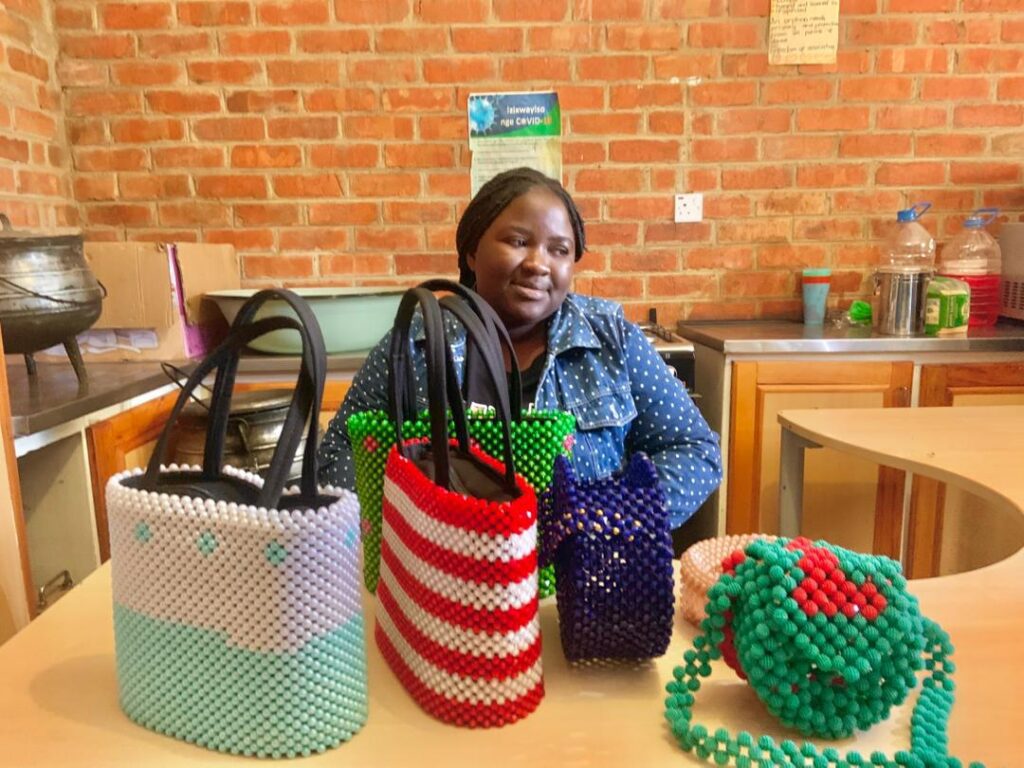
The Nook, launched in partnership with Project Defy of India, uses a self-designed learning model that encourages young people to explore and develop skills independently.
“Africa only has four nooks and two are in Zimbabwe, here in Bulawayo and the other in Mwenezi. The other nooks are in Rwanda and Uganda,” he said.
“When teaching skills, there is no traditional teacher or curriculum. Young people come into the space, identify what they want to learn and work on projects that help them build those skills,” Gumbo explained.”
Beyond skills training, the organisation also runs community health programmes, including menstrual health initiatives aimed at keeping girls in school and psychosocial support services for vulnerable youth.
“We support single mothers, pregnant teenagers and child-headed households,” Gumbo said. “Sometimes it’s through groceries to child-headed families, sometimes through guidance and counselling. We also have single mother support where we support young people struggling with pregnancies with preparation kits and necessities for baby delivery. If a girl is less than 18 we refer to other organisations but our main aim is to support the girl child.”
According to the organisation, the majority of beneficiaries are women and girls, a deliberate focus reflecting the disproportionate challenges they face.
“But our programmes are inclusive and benefit the entire community,” Gumbo said.
Psychosocial Support lead officer, Natasha Gore, added the organisation also runs children’s clubs that provide safe environments for young people to learn about issues such as abuse, substance misuse and reporting mechanisms.
“We engage children in safe spaces where they can freely express themselves and learn about what is right and wrong,” she said.
“We’ve even had parents complementing the work we do after seeing changes in their children.”

Despite these successes, the organisation’s leadership acknowledges that without stronger community backing, especially from older generations, its impact could remain limited.
Smith says the solution lies in bridging the generational gap and building trust within the community.
“We want the community to come, see and understand what we are doing,” she said.
“When they hear directly from the youth about their experiences, the advantages and even the disadvantages it creates a stronger connection.”



Leave a Reply