
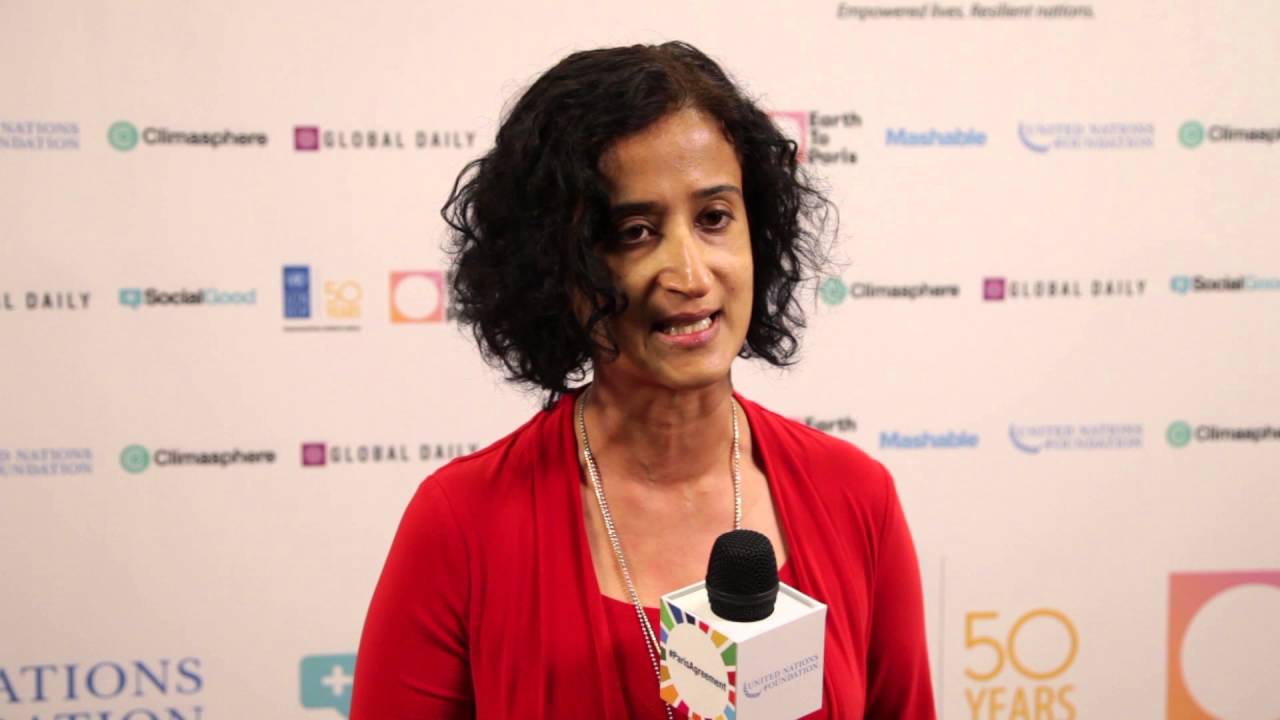
Zimbabwe is set to receive a new United Nations Resident Coordinator, with Rosemary Kalapurakal appointed Resident Coordinator Designate for the UN in Zimbabwe.
Kalapurakal made the announcement in a LinkedIn post on May 27, 2026, titled “Au revoir, New York. Mhoroi, Harare,” signalling the end of her tenure at the United Nations Development Coordination Office (DCO) as its Deputy Director in New York and the beginning of a new chapter in Zimbabwe.
She will succeed Edward Kallon, who is currently serving as the UN Resident Coordinator in Zimbabwe.
The UN Resident Coordinator is the highest-ranking UN official in the country and represents the UN Secretary-General to the Government of Zimbabwe.
On this topic
The office leads the Resident Coordinator System at country level and serves as the primary interlocutor between the UN Development System and the Zimbabwean government.
In Zimbabwe, the Resident Coordinator oversees coordination and leadership of the United Nations Country Team in areas including strategy setting, planning, implementation, monitoring and evaluation of development programmes.
The Resident Coordinator also leads joint programming, policy advocacy, communications and resource mobilisation efforts, while additionally serving as Humanitarian Coordinator, Designated Official for Safety and Security and Director of the UN Information Centre in Zimbabwe.
In her announcement, Kalapurakal described the appointment as both an honour and a deeply personal moment, revealing that her recent visit to Zimbabwe was her first in nearly three decades.
“Serving as UN Resident Coordinator in Zimbabwe is a deep honour,” she wrote.
“When I visited last month, my first time back in nearly 30 years, I felt both a sense of return and that of beginning. The beauty of the country is undeniable, but it was the warmth, pride and openness of the people I met that stayed with me most.”
She expressed gratitude to UN Secretary-General António Guterres for the confidence placed in her and praised the existing UN team in Zimbabwe.
“I’m privileged to have inherited from my predecessor a truly exceptional UN country team, 25 resident and non-resident entities, working in support of the country’s drive for sustainable development, supporting government together with development partners, civil society, the private sector, and communities across the country,” she said.
Kalapurakal said she viewed her role as one centred on partnership, dialogue and bringing together resources to support Zimbabwe’s development aspirations.
“Zimbabwe is shaping its path forward with clear ambition. My role, as I see it, is to listen carefully, build trust and help bring people and resources together in support of that journey,” she said.
“Whether it’s strengthening resilience, expanding opportunities for young people, supporting more inclusive growth, or ensuring that women and underserved groups are fully part of decision-making, this is work that can only be done in partnership.”
She added that while her years at the DCO focused on strengthening the reformed UN development system globally, her new role would focus on implementing those reforms at country level.
“This next chapter is about serving through it, grounded in country specificities, and focused on what makes a tangible difference in people’s lives,” she said.
“I step into this role with humility, optimism, and a deep sense of responsibility. I’m excited for what lies ahead and grateful to continue the journey with so many of you.”
Reflecting on her departure from the DCO, Kalapurakal said she had spent the past several years helping to build and strengthen the reinvigorated Resident Coordinator system established as part of wider UN reforms.
“After a week of goodbyes, I paused, somewhere between packing boxes and closing out emails, to reflect on what these past years at the UN Development Coordination Office have meant to me,” she wrote.
“Since February 2019, from its infancy, I’ve had the privilege of growing alongside DCO, initially as Chief of Policy and Programme and for the last five years, as its Deputy Director.”
Kalapurakal said her work involved helping to build the UN’s global Resident Coordinator system “step by step, policy by policy, relationship by relationship,” with the goal of making the UN more effective in delivering sustainable development outcomes.
She credited the success of the reforms to collaboration across the UN system and member states.
“But nothing about that journey has been done alone. From the leadership of the Secretary-General and Deputy Secretary-General, to teams across the UN Secretariat, agencies across the system and Member States who believed in the reform enough to invest in it, it has truly taken a village,” she said.
During her tenure at DCO, Kalapurakal said she helped oversee the establishment of 132 Resident Coordinator offices globally, the development of the first Cooperation Framework programming guidance, engagement with governing bodies and the creation of pooled funding instruments.
“When I look back, I see not just milestones but the fruits of shared effort: building DCO and its regional presence from the ground up …helping stand up pooled funding instruments; always testing and honing new ways of working together,” she said.
“Much of it was new, much of it was imperfect but it was always driven by a sense of purpose.”
She acknowledged challenges remain within the UN development system, saying it was “not yet as coherent, as efficient, or as well-resourced as it should be,” but expressed confidence in the foundations that had been laid.
Kalapurakal said the relationships she built across the UN system and with partners around the world would remain among the most meaningful aspects of her experience.
“It’s those connections and that sense of shared purpose that I will take with me to Zimbabwe,” she said.
Support CITE’s fearless, independent journalism. Your donation helps us amplify community voices, fight misinformation, and hold power to account. Help keep the truth alive. Donate today








Leave a Reply