
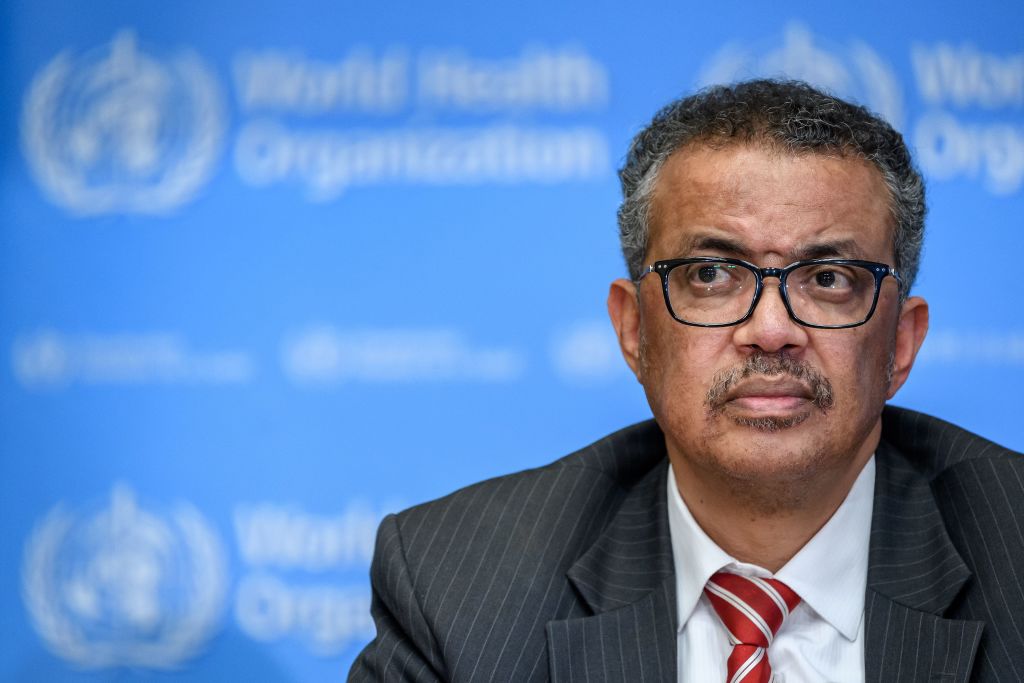
The World Health Organisation (WHO) has condemned the latest wave of xenophobic violence in South Africa, describing it as “profoundly heartbreaking” and warning that attacks on foreign nationals represent a betrayal of the country’s liberation history and Africa’s shared struggle against apartheid.
This message arrives as the June 30, 2026, deadline set by anti-immigrant activists approaches, even as human rights groups, regional leaders, and international bodies urge calm, warning that anti-migrant violence threatens South Africa’s constitutional values and its reputation as a human rights leader in Africa.
In a statement shared by WHO Director-General, Tedros Adhanom Ghebreyesus, amid escalating tensions, the organisation said hundreds of people had marched on Parliament, thousands of families had been displaced and several lives had been lost in recent attacks targeting foreign nationals.
“To see South Africa turn to xenophobia is a tragic betrayal of the country’s struggle for independence and freedom,” the organisation said, recalling the support African nations extended to South Africa during the anti-apartheid era.
On this topic
WHO lamented how at least five Ethiopians had been killed in earlier attacks, while five Mozambicans reportedly died in violence in Mossel Bay.
The organisation urged authorities and communities to make sure grievances are addressed through legal channels rather than vigilante action.
“Disagreements and grievances must be addressed by the justice system and the rule of law, never through vigilante violence and collective punishment,” the statement said.
The remarks come as South Africa finds itself at the centre of an increasingly heated debate over illegal immigration, border management and growing anti-migrant sentiment.
Tensions have intensified following calls by anti-immigrant groups for undocumented migrants to leave the country before June 30, 2026 a deadline that has generated fear among migrant communities and prompted concerns from neighbouring countries.
The South African government has simultaneously intensified efforts to tackle illegal immigration, with authorities reaffirming their commitment to enforcing immigration laws and strengthening border controls.
“Our path forward is guided by the constitution and shared commitment to the rule of law. Government calls on all undocumented and illegal immigrants currently within our borders to immediately comply with our laws and present themselves to law enforcement agencies or request to be repatriated,” said Minister of Justice and Constitutional Development of South AfricaMmamoloko Kubayi in a recent briefing.
“Our authorities are working with several countries that are also voluntarily repatriating their citizens back to their countries of origin. The South African government will not tolerate the circumvention of our immigration systems and laws.”
Watch Kubayi speak here: https://x.com/Dzungie007/status/2066189645713461295/video/1
South Africa’s President Cyril Ramaphosa also defended the government’s right to address unlawful migration but has strongly condemned xenophobic attacks and vigilantism.
Ramaphosa has stressed that immigration enforcement remains the responsibility of the state and warned citizens against taking the law into their own hands.
“The responsibility of enforcing immigration laws rests with the state and the state alone,” he said during a recent national address.
The latest unrest has triggered concern across the region, with some countries arranging assistance for citizens seeking to return home. Thousands of migrants are reported to have fled affected communities amid fears of further violence.
WHO’s intervention highlights growing international concern over developments in South Africa, which has long been a destination for migrants from across the continent seeking economic opportunities.
However, persistent unemployment, poverty and inequality have increasingly fuelled resentment towards foreign nationals, who are often blamed for social and economic challenges.
The organisation reminded South Africans that many African countries played a crucial role in supporting the liberation struggle, including Ethiopia, which assisted Nelson Mandela during the early years of the anti-apartheid movement.
“South Africa deserves better. Africa deserves better,” WHO said, calling for protection of vulnerable communities and a renewed commitment to shared humanity.
The current tensions have revived memories of previous outbreaks of xenophobic violence that have periodically rocked South Africa, most notably in 2008 and 2015, when dozens of people were killed and thousands displaced.
Migrant communities said the coming weeks are likely to be marked by uncertainty as authorities seek to balance immigration enforcement with calls to protect vulnerable communities from violence and intimidation.
Meanwhile, reports indicate South African businesses operating in other countries are facing backlash following tensions over immigration and the treatment of foreign nationals in South Africa.
As a result, the South African government is expanding its consular services for South African companies that operate on the rest of the African continent and are facing fallout from tensions over anti-immigrant protests that have swept across the country.
South Africa’s Justice minister acknowledged that the “SA brand is hurting” and said their government is providing support and consular services to affected businesses.
The move follows calls from major business lobby groups warning that harming foreign nationals directly harms South Africa’s economic interests.
Support CITE’s fearless, independent journalism. Your donation helps us amplify community voices, fight misinformation, and hold power to account. Help keep the truth alive. Donate today








Leave a Reply