
For decades, residents of Tshitulipasi in Beitbridge district lived without electricity, relying on firewood for cooking and darkness after sunset.
Today, the once isolated community is embracing clean energy, thanks to a Rural Electrification Agency (REA) solar mini-grid project that is changing lives while contributing to the fight against climate change.
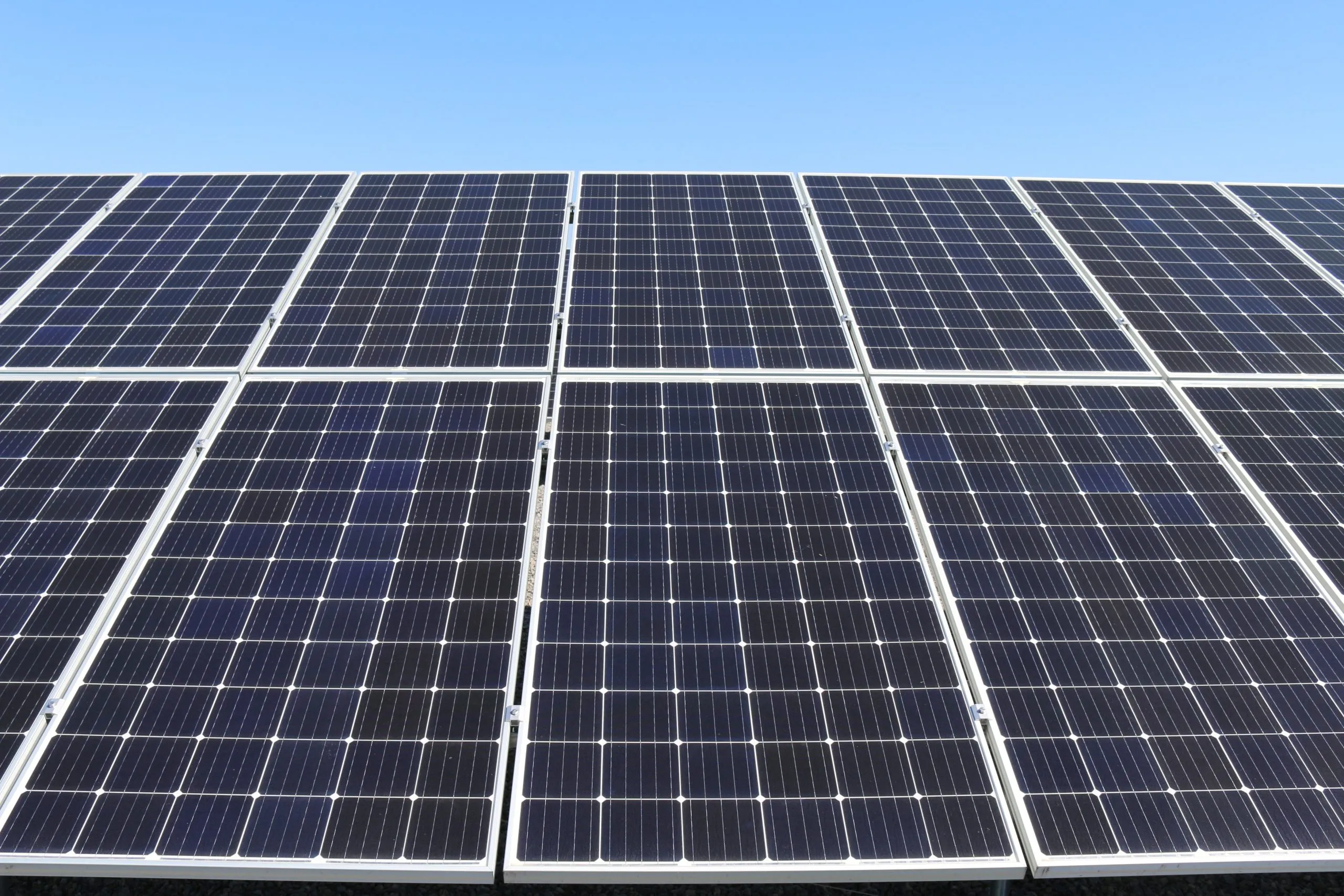
The commissioning of the 120-kilowatt Tshitulipasi Solar Mini-Grid has brought electricity to schools, a health facility, businesses, government offices, water points and households while a complementary biogas programme is reducing dependence on firewood and protecting the environment.
Speaking during the commissioning ceremony on Thursday, REA Acting Chief Executive Officer Felister Makumbinde said the project represents the government’s commitment to ensuring no rural community is left behind in the country’s drive towards universal access to clean and affordable energy.
On this topic
“The power distribution network stretches over 6.61 kilometres and is supplying electricity to 10 institutions, including Tshitulipasi primary school, the clinic, business centre, veterinary and Agritex offices, community water points and 27 households. We were initially targeting 19 shop, but the number has grown to 27 and these will also be electrified,” she said.
She added that the project which was completed on September 30, 2024, cost ZWG16 million.
“Although the project took 700 days to complete, we lost almost one full year waiting for imported solar equipment. Despite those delays, we are proud to have delivered a modern renewable energy solution that will transform livelihoods for generations.”
Makumbinde explained that Tshitulipasi secondary school received its own standalone 10-kilowatt solar system because of the long distance from the main solar plant.
She said REA continues expanding access to electricity across Beitbridge and Matebeleland South using both grid and renewable energy technologies.
“As of June 15 this year, we have electrified 49 primary schools with only 11 remaining, two of which are already under construction. We have electrified 17 secondary schools, 28 rural health centres, meaning every rural clinic in the district now has electricity. We have also electrified 20 government extension offices, 32 business centres and 30 village group schemes.”
Makumbinde encouraged villagers to organise themselves into groups to access electricity.
“If villagers come together in groups of 10, REA will provide a quotation to electrify their homesteads. Communities contribute 50 percent of the cost while REA provides the remaining 50 percent. We are ensuring rural households also enjoy the benefits of electricity.”
Alongside the solar project, REA has also constructed 19 biogas digesters in Tshitulipasi as part of efforts to promote clean cooking energy.
The agency has also already built three large institutional biogas digesters in Beitbridge, including at Beitbridge district hospital and Minda High School while domestic digesters continue to be rolled out across the district.
For 31-year-old farmer Simon Gumbo, the biogas digester has completely transformed his household.
Owning more than eight cattle, Gumbo feeds the digester daily using two to three buckets of cow dung mixed with water. The system now provides enough gas for cooking while the slurry produced has become valuable organic manure for his fields.
“Before getting the biogas digester, we depended on firewood every day and that meant cutting down trees. Today we cook using clean energy produced from our own cattle and our forests are left standing. Climate change is affecting all of us, so protecting trees is no longer a choice but a responsibility,” said Gumbo.
“The manure coming from the digester has also improved my crops, proving that clean energy can also increase agricultural productivity,” said Gumbo.
Seventy-one-year-old Sophia Moyo, who benefited from both electricity and a domestic biogas digester described the project as life-changing.
“I am now old and collecting firewood had become a difficult and exhausting task. Now I simply switch on electricity or use biogas to prepare meals. I even have a refrigerator to preserve food and medicines,” she said.
“We have always heard people talking about climate change but now we understand that using clean energy helps protect our environment for our grandchildren. We are no longer destroying trees just to cook our food,” said Moyo.
Residents say access to electricity has improved learning conditions for pupils, strengthened healthcare services and created new opportunities for businesses operating at Tshitulipasi Business Centre.
The project is also expected to stimulate rural economic growth as more households and entrepreneurs connect to the mini-grid.
Zimbabwe continues to expand renewable energy as part of efforts to increase electricity access while reducing greenhouse gas emissions. Solar mini-grids and biogas technologies are increasingly becoming viable solutions for remote communities where extending the national electricity grid is either costly or technically difficult.
For the people of Tshitulipasi, however, the benefits go beyond statistics.
The glow of electric lights replacing kerosene lamps, clean kitchens free from smoke and trees spared from indiscriminate cutting are visible signs that renewable energy is not only powering homes it is also helping communities build resilience against climate change while improving their quality of life.







Leave a Reply