
The Patriotic Alliance, a coalition of political parties operating in Matabeleland, has called for an independent and impartial determination of the constitutional challenges to Constitutional Amendment Act No. 3 of 2026 (CAA3), expressing solidarity with citizens and organisations challenging the law.
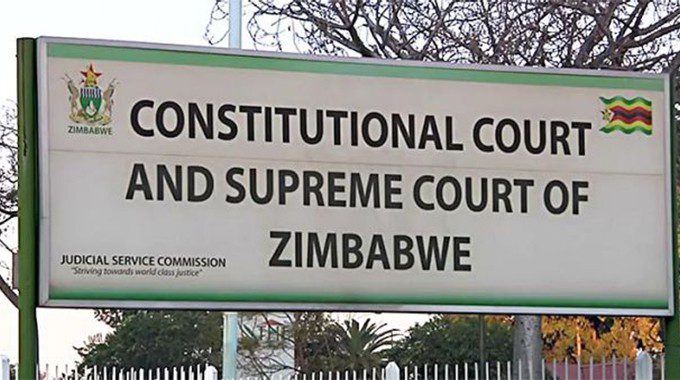
The call comes as Zimbabwe’s Constitutional Court is hearing two challenges to CAA3 this Wednesday, 18 November, 2026 following the postponement of the cases from November 11 to allow the court to reconstitute its bench.
CAA3 was signed into law in July 2026.
The coalition said the Constitution should not be manipulated to serve the political interests of individuals or those holding public office, arguing that the disputed amendments raise fundamental questions about democratic accountability, citizens’ political rights and constitutional safeguards.
On this topic
In a statement expressing solidarity with the applicants, the Patriotic Alliance said it supported peaceful and lawful efforts to seek judicial clarification on the constitutionality of the legislation, formerly known as Constitutional Amendment Bill No. 3 (CAB3).
“Our position is clear: the Constitution of Zimbabwe must not be manipulated to serve the political interests of individuals or those holding public office,” the coalition said.
In the first of the two cases, Vhurande Mahlupeko challenges, among other issues, the expansion of the Constitutional Court from seven to nine judges. He argues that several provisions were introduced during the parliamentary process without appearing in the original Government Gazette notices that initiated the amendment and public consultation process.
The second application, filed by Prince Dubeko Sibanda, challenges the extension of presidential and parliamentary terms, arguing that the changes cannot benefit incumbent officeholders under Section 328(7) of Zimbabwe’s Constitution.
Read more about Sibanda’s application.
The hearings were initially scheduled for November 11, 2026 but were postponed to allow the court to reconstitute its bench after lawyers representing the applicants, led by constitutional law professor Lovemore Madhuku, objected to judges appointed following the court’s expansion under the amendment being challenged hearing the cases.
The parties subsequently agreed Mahlupeko’s application would be heard first.
The Patriotic Alliance said Section 328(7) was an important constitutional safeguard against changes to term limits that benefit incumbent officeholders.
“We believe this constitutional safeguard exists to protect the country against changes to term limits that benefit incumbent officeholders,” it said.
The coalition added the question of whether CAA3 complies with the provision must be resolved through an independent and lawful judicial process.
It also raised concerns over changes affecting the direct election of the President, arguing that the removal of popular presidential elections raised questions about citizens’ political rights and the constitutional requirements for a national referendum.
“We are equally concerned about the constitutional questions surrounding the removal of the direct popular election of the President,” the statement said.
Citing Sections 67 and 328(6) of Zimbabwe’s Constitution, the coalition said citizens’ political rights include the right to vote in elections and referendums, while constitutional amendments affecting provisions protected under Section 328(6) may require a national referendum.
“The legality of the changes introduced through CAA3, including whether a referendum was constitutionally required, deserves serious judicial examination,” it said.
The coalition maintained constitutional changes affecting fundamental democratic rights must comply with the procedures and safeguards established to protect citizens.
It further called for respect for the rights of individuals and organisations who had approached the courts to challenge the legislation, urging Zimbabweans to remain peaceful while the cases were being determined.
“Our opposition to the disputed constitutional changes is not opposition to Zimbabwe or its people. It is a defence of constitutionalism, democratic accountability, the right to vote and the principle that public office must remain subject to constitutional limitations,” the statement said.
The Patriotic Alliance said no political party, President, Parliament or public institution should be above Zimbabwe’s Constitution, which it described as belonging to the people rather than individuals or political organisations.
It called for full respect for Section 328(7), the protection of citizens’ political rights, compliance with referendum requirements and the preservation of the rule of law and constitutional democracy.
The coalition said it would await the Constitutional Court’s determination and urged all parties to respect the judicial process.






Leave a Reply