
By Dr Shame Mugova
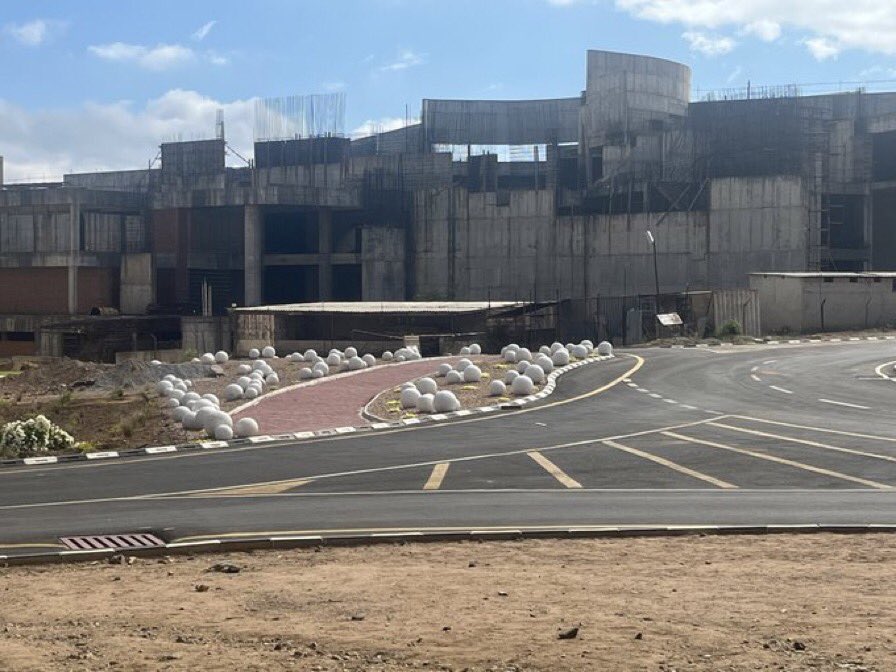
At the National University of Science and Technology in Bulawayo, unfinished buildings have become part of the institution’s identity. Students arrive, study and graduate while structures intended to serve them remain suspended between architectural ambition and physical completion. 𝗦𝘂𝗰𝗰𝗲𝘀𝘀𝗶𝘃𝗲 𝗴𝗲𝗻𝗲𝗿𝗮𝘁𝗶𝗼𝗻𝘀 𝗱𝗼 𝗻𝗼𝘁 𝘀𝗶𝗺𝗽𝗹𝘆 𝗶𝗻𝗵𝗲𝗿𝗶𝘁 𝗮 𝘂𝗻𝗶𝘃𝗲𝗿𝘀𝗶𝘁𝘆. 𝗧𝗵𝗲𝘆 𝗶𝗻𝗵𝗲𝗿𝗶𝘁 𝗶𝘁𝘀 𝘂𝗻𝗳𝗶𝗻𝗶𝘀𝗵𝗲𝗱 𝗯𝘂𝘀𝗶𝗻𝗲𝘀𝘀.
It is sometimes said that only 10 percent of the planned NUST campus has been completed. The figure is striking, but difficult to substantiate.
In 2022, it was reported that NUST’s development plan comprised 27 principal buildings, of which only seven had been completed. That is approximately 26 percent by building count, although it is not a formal measure of the campus’s overall physical completion.
On this topic
The widely repeated 10 percent figure appears to refer to something narrower. Reports in 2024 indicated that foundations for ten student accommodation blocks had been completed while brickwork stood at 10 percent. That statistic described one stage of one development, not the whole university.
Correcting the claim does not rescue the underlying situation. NUST reported in 2024 that construction of its Central Library had resumed after remaining at approximately 30 percent completion for about two decades. A university library stalled for nearly twenty years represents generations of students who completed their education without the facilities public investment had promised them.
Whether NUST is described as 10, 26 or 30 percent complete depends on what is being measured. That confusion is itself revealing. 𝗪𝗵𝗲𝗻 𝘁𝗵𝗲 𝗽𝘂𝗯𝗹𝗶𝗰 𝗰𝗮𝗻𝗻𝗼𝘁 𝗱𝗲𝘁𝗲𝗿𝗺𝗶𝗻𝗲 𝘄𝗵𝗮𝘁 𝘄𝗮𝘀 𝗽𝗿𝗼𝗺𝗶𝘀𝗲𝗱, 𝘄𝗵𝗮𝘁 𝘄𝗮𝘀 𝘀𝗽𝗲𝗻𝘁 𝗮𝗻𝗱 𝘄𝗵𝗮𝘁 𝗿𝗲𝗺𝗮𝗶𝗻𝘀 𝘂𝗻𝗳𝗶𝗻𝗶𝘀𝗵𝗲𝗱, 𝘁𝗵𝗲 𝗹𝗮𝗰𝗸 𝗼𝗳 𝗶𝗻𝗳𝗼𝗿𝗺𝗮𝘁𝗶𝗼𝗻 𝗯𝗲𝗰𝗼𝗺𝗲𝘀 𝗽𝗮𝗿𝘁 𝗼𝗳 𝘁𝗵𝗲 𝗳𝗮𝗶𝗹𝘂𝗿𝗲.
Every significant public project should have a record showing what was promised, what was budgeted, what was released and spent, what has been completed, and when the facility will begin serving the public.
𝗧𝗵𝗲 𝘂𝗻𝗳𝗶𝗻𝗶𝘀𝗵𝗲𝗱 𝗯𝘂𝗶𝗹𝗱𝗶𝗻𝗴𝘀 𝗮𝘁 𝗡𝗨𝗦𝗧 𝗮𝗿𝗲 𝗻𝗼𝘁 𝗮𝗻 𝗲𝘅𝗰𝗲𝗽𝘁𝗶𝗼𝗻 𝘁𝗼 𝘁𝗵𝗲 𝘀𝘆𝘀𝘁𝗲𝗺. 𝗧𝗵𝗲𝘆 𝗮𝗿𝗲 𝗼𝗻𝗲 𝗼𝗳 𝗶𝘁𝘀 𝗰𝗹𝗲𝗮𝗿𝗲𝘀𝘁 𝗶𝗹𝗹𝘂𝘀𝘁𝗿𝗮𝘁𝗶𝗼𝗻𝘀.
Zimbabwe’s 2026 Infrastructure Investment Programme reported that an audit had identified 226 incomplete government construction projects. We are therefore not looking at one delayed university building, one difficult road or one unfortunate dam project. We are confronting a public investment system that has repeatedly allowed more projects to be started than can be properly prepared, financed, completed, commissioned and maintained.
Universities, roads, dams and hospitals serve legitimate public purposes. But public need alone does not guarantee sound investment. 𝗔 𝗽𝗿𝗼𝗷𝗲𝗰𝘁 𝗰𝗮𝗻 𝗮𝗱𝗱𝗿𝗲𝘀𝘀 𝗮 𝗴𝗲𝗻𝘂𝗶𝗻𝗲 𝗽𝘂𝗯𝗹𝗶𝗰 𝗻𝗲𝗲𝗱 𝗮𝗻𝗱 𝘀𝘁𝗶𝗹𝗹 𝗿𝗲𝗽𝗿𝗲𝘀𝗲𝗻𝘁 𝗽𝗼𝗼𝗿 𝗽𝘂𝗯𝗹𝗶𝗰 𝗿𝗲𝘀𝗼𝘂𝗿𝗰𝗲 𝗮𝗹𝗹𝗼𝗰𝗮𝘁𝗶𝗼𝗻 𝗶𝗳 𝗶𝘁 𝗶𝘀 𝗯𝗮𝗱𝗹𝘆 𝗱𝗲𝘀𝗶𝗴𝗻𝗲𝗱, 𝘂𝗻𝗱𝗲𝗿𝗳𝘂𝗻𝗱𝗲𝗱 𝗼𝗿 𝗹𝗲𝗳𝘁 𝘂𝗻𝗳𝗶𝗻𝗶𝘀𝗵𝗲𝗱.
𝗧𝗵𝗲 𝘀𝘁𝗮𝘁𝗲 𝗰𝗼𝘂𝗻𝘁𝘀 𝘄𝗵𝗮𝘁 𝗶𝘁 𝗵𝗮𝘀 𝘀𝘁𝗮𝗿𝘁𝗲𝗱. 𝗖𝗶𝘁𝗶𝘇𝗲𝗻𝘀 𝗹𝗶𝘃𝗲 𝘄𝗶𝘁𝗵 𝘄𝗵𝗮𝘁 𝗶𝘁 𝗵𝗮𝘀 𝗳𝗮𝗶𝗹𝗲𝗱 𝘁𝗼 𝗳𝗶𝗻𝗶𝘀𝗵.
Consider the Bulawayo to Nkayi Road. Parliamentary and media reports trace the project to the early 1990s. More than three decades later, it remains incomplete. Reporting in 2022 indicated that only about 50 kilometres had been widened and surfaced. Accounts differ slightly on precisely when construction began, but they point to the same reality. The road has remained unfinished for longer than many of its present users have been alive.
Motorists pay through damaged vehicles and longer journeys. Businesses face higher transport costs. Public transport becomes less reliable. Ambulances lose precious time. 𝗚𝗼𝘃𝗲𝗿𝗻𝗺𝗲𝗻𝘁 𝗱𝗲𝗹𝗮𝘆𝘀 𝘁𝗵𝗲 𝗰𝗼𝗻𝘀𝘁𝗿𝘂𝗰𝘁𝗶𝗼𝗻, 𝗯𝘂𝘁 𝗰𝗶𝘁𝗶𝘇𝗲𝗻𝘀 𝗰𝗮𝗿𝗿𝘆 𝘁𝗵𝗲 𝗰𝗼𝘀𝘁 𝗼𝗳 𝘁𝗵𝗮𝘁 𝗱𝗲𝗹𝗮𝘆.
Gwayi Shangani reveals another dimension of unfinished development. Construction began in 2004, followed by several completion targets that came and went. Progress has been made, but completing one component does not complete the entire promise.
𝗔 𝗱𝗮𝗺 𝘄𝗮𝗹𝗹 𝗶𝘀 𝗻𝗼𝘁 𝘄𝗮𝘁𝗲𝗿 𝗶𝗻 𝘁𝗵𝗲 𝘁𝗮𝗽.
The pipeline must be completed. Pumping stations need power and must work. Treatment and distribution systems must function. A completion percentage for the dam cannot automatically be applied to the entire water delivery system. For residents waiting for water, development is not the concrete in the dam wall. It is the water that flows from the tap.
Healthcare exposes the same gap in more urgent terms. In 2026, the Government reported progress in installing radiotherapy machines at Parirenyatwa and Mpilo hospitals. That progress should be recognised. But purchasing a machine is not installing it. Installation is not commissioning. Commissioning is not reliable treatment.
Specialised equipment may still require prepared rooms, testing, licensing, trained personnel, maintenance arrangements, consumables and dependable electricity. 𝗣𝗿𝗼𝗰𝘂𝗿𝗲𝗺𝗲𝗻𝘁 𝗶𝘀 𝗮𝗻 𝗶𝗻𝗽𝘂𝘁. 𝗜𝗻𝘀𝘁𝗮𝗹𝗹𝗮𝘁𝗶𝗼𝗻 𝗶𝘀 𝗮 𝗺𝗶𝗹𝗲𝘀𝘁𝗼𝗻𝗲. 𝗧𝗿𝗲𝗮𝘁𝗺𝗲𝗻𝘁 𝗶𝘀 𝘁𝗵𝗲 𝗼𝘂𝘁𝗰𝗼𝗺𝗲 𝘁𝗵𝗮𝘁 𝗺𝗮𝘁𝘁𝗲𝗿𝘀 𝘁𝗼 𝗮 𝗽𝗮𝘁𝗶𝗲𝗻𝘁.
These examples reveal a weakness in how development is discussed. Announcements, allocations, expenditure, construction and service delivery are presented as though they were interchangeable stages of success.
They are not.
𝗔 𝗯𝘂𝗱𝗴𝗲𝘁 𝗮𝗹𝗹𝗼𝗰𝗮𝘁𝗶𝗼𝗻 𝗶𝘀 𝗮 𝗽𝗿𝗼𝗺𝗶𝘀𝗲 𝗼𝗳 𝗿𝗲𝘀𝗼𝘂𝗿𝗰𝗲𝘀, 𝗻𝗼𝘁 𝗽𝗿𝗼𝗼𝗳 𝗼𝗳 𝗱𝗲𝘃𝗲𝗹𝗼𝗽𝗺𝗲𝗻𝘁. It does not prove that Treasury released the money, the work was completed or citizens received the service. A project may pass through appropriation, cash release and procurement but still fail during construction, commissioning or service delivery.
𝗣𝘂𝗯𝗹𝗶𝗰 𝗲𝘅𝗽𝗲𝗻𝗱𝗶𝘁𝘂𝗿𝗲 𝘀𝗵𝗼𝘂𝗹𝗱 𝗯𝗲 𝗷𝘂𝗱𝗴𝗲𝗱 𝗻𝗼𝘁 𝗯𝘆 𝗵𝗼𝘄 𝗺𝘂𝗰𝗵 𝗴𝗼𝘃𝗲𝗿𝗻𝗺𝗲𝗻𝘁 𝘀𝗽𝗲𝗻𝗱𝘀, 𝗯𝘂𝘁 𝗯𝘆 𝘁𝗵𝗲 𝘀𝗼𝗰𝗶𝗮𝗹 𝘃𝗮𝗹𝘂𝗲 𝘁𝗵𝗮𝘁 𝘀𝗽𝗲𝗻𝗱𝗶𝗻𝗴 𝗰𝗿𝗲𝗮𝘁𝗲𝘀. 𝗗𝗲𝘃𝗲𝗹𝗼𝗽𝗺𝗲𝗻𝘁 𝗯𝗲𝗴𝗶𝗻𝘀 𝘄𝗵𝗲𝗻 𝗽𝘂𝗯𝗹𝗶𝗰 𝗲𝘅𝗽𝗲𝗻𝗱𝗶𝘁𝘂𝗿𝗲 𝗯𝗲𝗰𝗼𝗺𝗲𝘀 𝗽𝘂𝗯𝗹𝗶𝗰 𝗯𝗲𝗻𝗲𝗳𝗶𝘁.
Why do so many projects remain unfinished? It is tempting to answer every question with one word, corruption. Corruption may form part of Zimbabwe’s infrastructure story, and credible allegations should be investigated. But treating it as the only explanation can hide the complete machinery of failure.
Treasury identifies poor project preparation, delayed completion, cost overruns, poor quality work, arrears and projects implemented without adequate budgetary provision. Other problems include delayed disbursements, weak supervision, inadequate contractor capacity, changing scopes, inflation and currency instability.
A contract priced in one economic environment can become obsolete as materials become more expensive and completion costs rise. But instability cannot explain everything. 𝗘𝗰𝗼𝗻𝗼𝗺𝗶𝗰 𝗶𝗻𝘀𝘁𝗮𝗯𝗶𝗹𝗶𝘁𝘆 𝗺𝗮𝘆 𝗲𝘅𝗽𝗹𝗮𝗶𝗻 𝘄𝗵𝘆 𝗽𝗿𝗼𝗷𝗲𝗰𝘁𝘀 𝗯𝗲𝗰𝗼𝗺𝗲 𝗺𝗼𝗿𝗲 𝗲𝘅𝗽𝗲𝗻𝘀𝗶𝘃𝗲. 𝗜𝘁 𝗰𝗮𝗻𝗻𝗼𝘁 𝗯𝗲𝗰𝗼𝗺𝗲 𝗮 𝗽𝗲𝗿𝗺𝗮𝗻𝗲𝗻𝘁 𝗹𝗶𝗰𝗲𝗻𝗰𝗲 𝘁𝗼 𝗽𝗹𝗮𝗻 𝗯𝗮𝗱𝗹𝘆.
A government with limited resources cannot afford to spread them thinly across an expanding landscape of construction sites. Starting a project produces immediate political visibility, a ceremony, a speech and a promise. Completion is slower, less dramatic and may occur under another administration.
𝗦𝘁𝗮𝗿𝘁𝗶𝗻𝗴 𝗮 𝗽𝗿𝗼𝗷𝗲𝗰𝘁 𝗶𝘀 𝗽𝗼𝗹𝗶𝘁𝗶𝗰𝗮𝗹𝗹𝘆 𝘃𝗶𝘀𝗶𝗯𝗹𝗲. 𝗙𝗶𝗻𝗶𝘀𝗵𝗶𝗻𝗴 𝗶𝘁 𝗿𝗲𝗾𝘂𝗶𝗿𝗲𝘀 𝗾𝘂𝗶𝗲𝘁𝗲𝗿 𝗮𝗱𝗺𝗶𝗻𝗶𝘀𝘁𝗿𝗮𝘁𝗶𝘃𝗲 𝗱𝗶𝘀𝗰𝗶𝗽𝗹𝗶𝗻𝗲.
New projects are launched while old ones remain incomplete. Funds are spread across too many commitments. Work stops, inflation increases the outstanding cost, and another allocation is announced. Eventually, a project becomes too expensive to abandon but too poorly funded to complete.
𝗧𝗵𝗲 𝗰𝗼𝘂𝗻𝘁𝗿𝘆 𝗯𝗲𝗰𝗼𝗺𝗲𝘀 𝗮 𝗺𝘂𝘀𝗲𝘂𝗺 𝗼𝗳 𝗽𝗿𝗼𝗺𝗶𝘀𝗲𝘀 𝘂𝗻𝗱𝗲𝗿 𝗰𝗼𝗻𝘀𝘁𝗿𝘂𝗰𝘁𝗶𝗼𝗻.
An unfinished project has absorbed land, materials, labour and professional fees, yet may deliver little of the social return used to justify it. Delay creates further costs through deterioration, vandalism, remobilisation and redesign.
𝗔𝗻 𝘂𝗻𝗳𝗶𝗻𝗶𝘀𝗵𝗲𝗱 𝗽𝗿𝗼𝗷𝗲𝗰𝘁 𝗶𝘀 𝗻𝗼𝘁 𝗲𝗺𝗽𝘁𝘆. 𝗜𝘁 𝗶𝘀 𝗳𝘂𝗹𝗹 𝗼𝗳 𝗺𝗼𝗻𝗲𝘆 𝗮𝗹𝗿𝗲𝗮𝗱𝘆 𝘀𝗽𝗲𝗻𝘁 𝗮𝗻𝗱 𝗯𝗲𝗻𝗲𝗳𝗶𝘁𝘀 𝘀𝘁𝗶𝗹𝗹 𝗱𝗲𝗻𝗶𝗲𝗱.
Public money tied up in an unusable structure cannot simultaneously finance medicines, classrooms or roads. 𝗘𝘃𝗲𝗿𝘆 𝘂𝗻𝗳𝗶𝗻𝗶𝘀𝗵𝗲𝗱 𝗽𝗿𝗼𝗷𝗲𝗰𝘁 𝗰𝗮𝗿𝗿𝗶𝗲𝘀 𝘁𝘄𝗼 𝗰𝗼𝘀𝘁𝘀, 𝘁𝗵𝗲 𝗺𝗼𝗻𝗲𝘆 𝘁𝗿𝗮𝗽𝗽𝗲𝗱 𝗶𝗻𝘀𝗶𝗱𝗲 𝗶𝘁 𝗮𝗻𝗱 𝘁𝗵𝗲 𝗽𝘂𝗯𝗹𝗶𝗰 𝗯𝗲𝗻𝗲𝗳𝗶𝘁 𝘀𝗮𝗰𝗿𝗶𝗳𝗶𝗰𝗲𝗱 𝗲𝗹𝘀𝗲𝘄𝗵𝗲𝗿𝗲.
The country may pay several times for the same asset, first to start it, later to repair it, and finally to complete it at a higher cost. 𝗗𝗲𝗳𝗲𝗿𝗿𝗲𝗱 𝗺𝗮𝗶𝗻𝘁𝗲𝗻𝗮𝗻𝗰𝗲 𝗶𝘀 𝗵𝗶𝗱𝗱𝗲𝗻 𝗯𝗼𝗿𝗿𝗼𝘄𝗶𝗻𝗴 𝗳𝗿𝗼𝗺 𝘁𝗵𝗲 𝗳𝘂𝘁𝘂𝗿𝗲. 𝗧𝗵𝗲 𝗻𝗲𝘅𝘁 𝗴𝗲𝗻𝗲𝗿𝗮𝘁𝗶𝗼𝗻 𝗶𝗻𝗵𝗲𝗿𝗶𝘁𝘀 𝘁𝗵𝗲 𝗹𝗶𝗮𝗯𝗶𝗹𝗶𝘁𝘆 𝘄𝗶𝘁𝗵𝗼𝘂𝘁 𝗿𝗲𝗰𝗲𝗶𝘃𝗶𝗻𝗴 𝘁𝗵𝗲 𝗼𝗿𝗶𝗴𝗶𝗻𝗮𝗹 𝗹𝗼𝗮𝗻.
Zimbabwe needs a discipline of completion.
A searchable register should cover every major government project, showing its responsible institution, contractor, dates, original and revised costs, allocations, cash released, expenditure, physical progress and operational status.
Budgeting should then prioritise viable projects nearing completion before multiplying new starts. This does not mean finishing every old project regardless of cost. Projects that are no longer viable should be reassessed, redesigned or formally cancelled. 𝗜𝗻𝗱𝗲𝗳𝗶𝗻𝗶𝘁𝗲 𝘀𝘂𝘀𝗽𝗲𝗻𝘀𝗶𝗼𝗻 𝗶𝘀 𝗻𝗼𝘁 𝗮 𝗱𝗲𝘃𝗲𝗹𝗼𝗽𝗺𝗲𝗻𝘁 𝘀𝘁𝗿𝗮𝘁𝗲𝗴𝘆. 𝗜𝘁 𝗶𝘀 𝗮 𝗿𝗲𝗳𝘂𝘀𝗮𝗹 𝘁𝗼 𝗱𝗲𝗰𝗶𝗱𝗲.
Project readiness should also be tested before tenders are issued or launch ceremonies held. Designs, feasibility studies, financing and operating requirements should be settled beforehand. A hospital project should include staffing and maintenance. A dam should include the infrastructure needed to deliver water. A university building should include what is required to make it usable.
Finally, accountability must extend beyond whether money was allocated or spent. The real question is what service was delivered, to whom, at what cost and at what level of reliability.
𝗦𝘁𝘂𝗱𝗲𝗻𝘁𝘀 𝗱𝗼 𝗻𝗼𝘁 𝘀𝘁𝘂𝗱𝘆 𝗶𝗻𝘀𝗶𝗱𝗲 𝗮 𝗯𝘂𝗱𝗴𝗲𝘁 𝗮𝗹𝗹𝗼𝗰𝗮𝘁𝗶𝗼𝗻. 𝗣𝗮𝘁𝗶𝗲𝗻𝘁𝘀 𝗰𝗮𝗻𝗻𝗼𝘁 𝗿𝗲𝗰𝗲𝗶𝘃𝗲 𝘁𝗿𝗲𝗮𝘁𝗺𝗲𝗻𝘁 𝗳𝗿𝗼𝗺 𝗮 𝗽𝗿𝗼𝗰𝘂𝗿𝗲𝗺𝗲𝗻𝘁 𝗮𝗻𝗻𝗼𝘂𝗻𝗰𝗲𝗺𝗲𝗻𝘁. 𝗖𝗼𝗺𝗺𝘂𝘁𝗲𝗿𝘀 𝗰𝗮𝗻𝗻𝗼𝘁 𝘁𝗿𝗮𝘃𝗲𝗹 𝗼𝗻 𝗮 𝗴𝗿𝗼𝘂𝗻𝗱𝗯𝗿𝗲𝗮𝗸𝗶𝗻𝗴 𝗰𝗲𝗿𝗲𝗺𝗼𝗻𝘆. 𝗥𝗲𝘀𝗶𝗱𝗲𝗻𝘁𝘀 𝗰𝗮𝗻𝗻𝗼𝘁 𝗱𝗿𝗶𝗻𝗸 𝗮 𝗰𝗼𝗺𝗽𝗹𝗲𝘁𝗶𝗼𝗻 𝗽𝗲𝗿𝗰𝗲𝗻𝘁𝗮𝗴𝗲.
Government can postpone a project, but citizens cannot postpone illness, education, transport or the need for water. Zimbabwe has announced development for many years. The challenge is to make development something people can enter, travel on, learn from, receive treatment through and experience in their daily lives.
𝗭𝗶𝗺𝗯𝗮𝗯𝘄𝗲 𝗱𝗼𝗲𝘀 𝗻𝗼𝘁 𝗻𝗲𝗲𝗱 𝗮𝗻𝗼𝘁𝗵𝗲𝗿 𝗹𝗮𝗻𝗴𝘂𝗮𝗴𝗲 𝗼𝗳 𝗱𝗲𝘃𝗲𝗹𝗼𝗽𝗺𝗲𝗻𝘁. 𝗜𝘁 𝗻𝗲𝗲𝗱𝘀 𝗮 𝗱𝗶𝘀𝗰𝗶𝗽𝗹𝗶𝗻𝗲 𝗼𝗳 𝗰𝗼𝗺𝗽𝗹𝗲𝘁𝗶𝗼𝗻. 𝗗𝗲𝘃𝗲𝗹𝗼𝗽𝗺𝗲𝗻𝘁 𝗶𝘀 𝗻𝗼𝘁 𝘄𝗵𝗮𝘁 𝗴𝗼𝘃𝗲𝗿𝗻𝗺𝗲𝗻𝘁 𝗮𝗻𝗻𝗼𝘂𝗻𝗰𝗲𝘀. 𝗜𝘁 𝗶𝘀 𝘄𝗵𝗮𝘁 𝗰𝗶𝘁𝗶𝘇𝗲𝗻𝘀 𝗰𝗮𝗻 𝘂𝘀𝗲.
Dr Shame Mugova is a Lecturer in Finance at Birmingham City University. He writes on finance, economic policy, governance and development, with a particular interest in Zimbabwe and Southern Africa. He writes in his personal capacity.







Leave a Reply