

The era of passive, traditional broadcasting in Zimbabwe is over, with the government set to aggressively pursue a radical blueprint for total digital sovereignty to prevent the country from becoming a mere “data farm” for foreign tech giants, a senior government official has said.
Chief Director in the Ministry of Information, Publicity and Broadcasting Services, Jonathan Gandari, delivered these remarks on Wednesday while representing Minister Soda Zhemu at the Annual Broadcasters Conference 2026, held at the National University of Science and Technology (NUST) in Bulawayo.
“The old way of broadcasting in Zimbabwe, the old way is coming to an end. The comfortable, passive era of media consumption is over,” said Gandari, who was speaking on behalf of the Minister who was attending Parliamentary business.
“We stand at a critical digital crossroads. With that, we either adapt or we become irrelevant. We either sink or we swim.”
On this topic
The conference at NUST, strategically co-hosted by the Broadcasting Authorities of Zimbabwe (BAZ), is running under the theme “Shaping the Future of Broadcasting: Sustainability, Innovation and Collaborative Regulation,” with Wednesday’s sessions focused on Policy Leadership, Regulation, and Industry Sustainability.
Gandari outlined an ambitious blueprint tasked with dismantling Zimbabwe’s dependence on external digital platforms.
He said the government’s vision is to engineer a “dominant and resilient broadcasting architecture” capable of massive-scale instant delivery.
“We need to dismantle dependence and build a self-reliant broadcasting powerhouse for our citizens,” he stated.
“The Minister says he has a blueprint to make sure that there is total digital sovereignty. We are turning our eyes to collaborative, like-minded nations and institutions to secure our nation’s future.”
In a direct reference to the dangers of foreign control, Gandari warned against”digital colonisation.”
“Digital colonisation often describes a state as a nation without their own platforms becoming mere data farms for foreign digital giant chips. Everything you do, everything you convey is through other people’s platforms, you need Facebook, you need TikTok, you need Instagram,” said the chief director.
“We refuse to let Zimbabwe be colonised in cyberspace. Global communication trends show that infrastructure control is synonymous with technology.”
The Chief Director issued a direct challenge to academia and researchers at NUST, urging them to move beyond observation and actively engineer local configurations to secure the nation’s digital future.
Gandari called for the development of localised algorithms to protect Zimbabwe’s cultural and linguistic nuances, as well as research into spectrum efficiency and next-generation broadcasting technologies.
“Your role is not merely to observe this shift. Your role is to engineer local configurations to ensure digital sovereignty,” he told the delegates.
“Focus on practical applications, patented solutions and contribute directly to national development and nationally strengthened ideological self-reliance.”
Gandari also called on students to embrace innovation, transition from legacy platforms and lead not only the country but the region in adopting emerging technologies.
To investors, he declared “the frontier is open,” urging them to capitalise on the structural shift and participate in building a modern, robust broadcasting system.
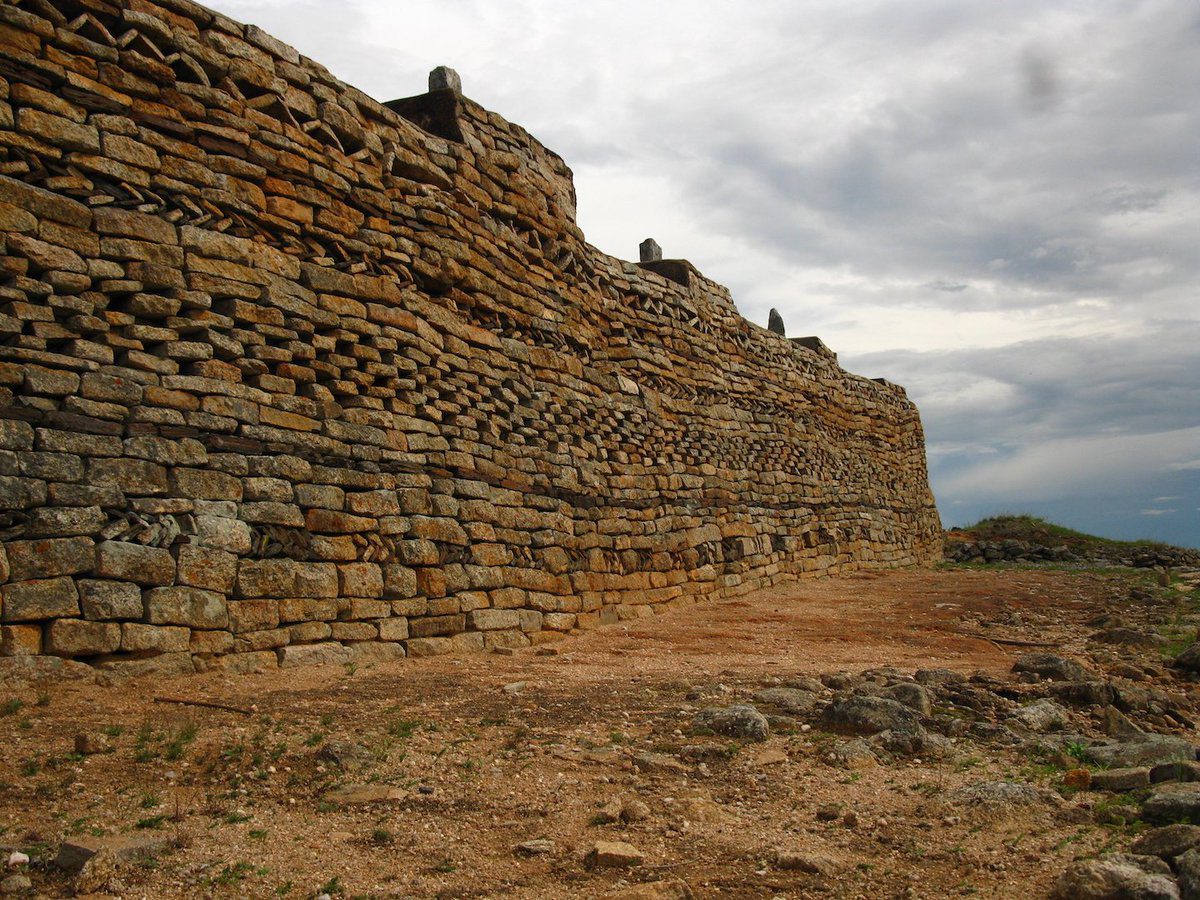
Gandari linked the broadcasting overhaul to the broader Vision 2030 agenda, framing it as an act of nation-building akin to the construction of Great Zimbabwe.
“Conflicts and wars will not only be rewound in the present space. As our forebears built Great Zimbabwe, stone upon stone, so we are being charged to build Zimbabwe, particularly build the media, brick upon brick,” he concluded.
“Let us modernise our systems and build a world-class new powerhouse.”
The conference continues on Thursday with sessions on innovation and collaborative regulation, where delegates are expected to deliberate on how to operationalise and embrace the new digital course.
Support CITE’s fearless, independent journalism. Your donation helps us amplify community voices, fight misinformation, and hold power to account. Help keep the truth alive. Donate today






Leave a Reply