
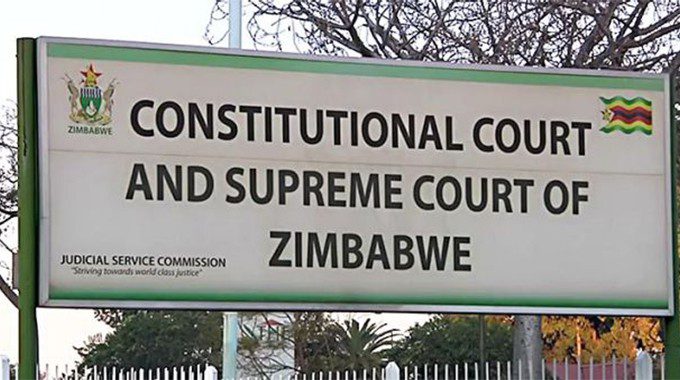
Bulawayo-based activist Thamsanqa Ncube and pressure group Ibhetshu LikaZulu have filed an urgent chamber application at the Constitutional Court challenging President Emmerson Mnangagwa’s appointment of 10 additional senators, arguing that the appointments violated the Constitution.
The urgent application prepared by Nqobani Sithole of Sithole Law Chambers cites the respondents as President Mnangagwa, the Speaker of Parliament Jacob Mudenda, Justice Minister Ziyambi Ziyambi, the Attorney-General Virginia Mabhiza, and the 10 Senate nominees.
They are Jabulani Sibanda, Makhosini Hlongwane, Mary Mliswa, Nokuthula Matsikenyere, Kudakwashe Tagwirei, Godwills Masimirembwa, Lucy Chitaga, retired General Gibson Mashingaidze, Brilliant Dube and Iren Mutumbwa.
The applicants argue that Mnangagwa’s power to appoint the 10 senators under Section 120(1)(e) of the Constitution is conditional on the nominees being selected for their professional skills and other objectively identifiable competencies, and after consultation with the National Assembly.
On this topic
The applicants allege that these requirements were not met.
They argue that the president appointed “ten career politicians, from and of the same partisan political family”, adding that “no independent expertise has been brought into the Senate”.
The applicants say this defeats the purpose of the constitutional provision, which was introduced through Constitutional Amendment No. 3 of 2026 to expand the Senate from 80 to 90 members.
The amendment provides for 10 presidentially appointed senators to be selected on the basis of professional skills and other competencies, following consultation with the National Assembly.
The applicants are also challenging the process used by Parliament to approve the appointments.
The court papers say the Speaker announced the president’s intention to appoint the 10 senators in the National Assembly on 18 August, but argue that the announcement did not amount to consultation.
The applicants say there was “no debate, no question, no point of order, and no opportunity for meaningful consultation” before the recommendations were accepted.
They argue that there is currently no legislative framework setting out how the National Assembly should conduct the consultation required by the Constitution.
The application says the process was therefore carried out without an established procedure and describes it as “premature, procedurally void, and constitutionally incompetent”.
The applicants further argue that the Standing Rules and Orders Committee was never involved in establishing or overseeing the consultation process.
Applicants fear constitutional harm
Ncube, in his founding affidavit, argued that the matter is urgent because the nominees could soon be sworn in and begin participating in Senate proceedings.
They say allowing that to happen would mean the Upper House could be required to accept what they describe as appointments made unlawfully.
The certificate of urgency says the appointments have already been announced and that the Senate could soon swear in the 10 nominees, who would then “add an unlawful voice and vote to the August House”.
The applicants warn that the consequences could extend beyond the individual appointments.
They argue that Mnangagwa’s conduct could cause “irreparable harm to the constitutional architecture of Zimbabwe, compromise the separation of powers, and erode public confidence in the country’s legislative processes.”
Ncube and Ibhetshu LikaZulu want the Constitutional Court to declare the appointments unlawful and set them aside.
They argue that the president failed to comply with Section 120(1)(e) and that the appointments of the 10 senators should therefore be declared “null and void” and set aside.








Leave a Reply