
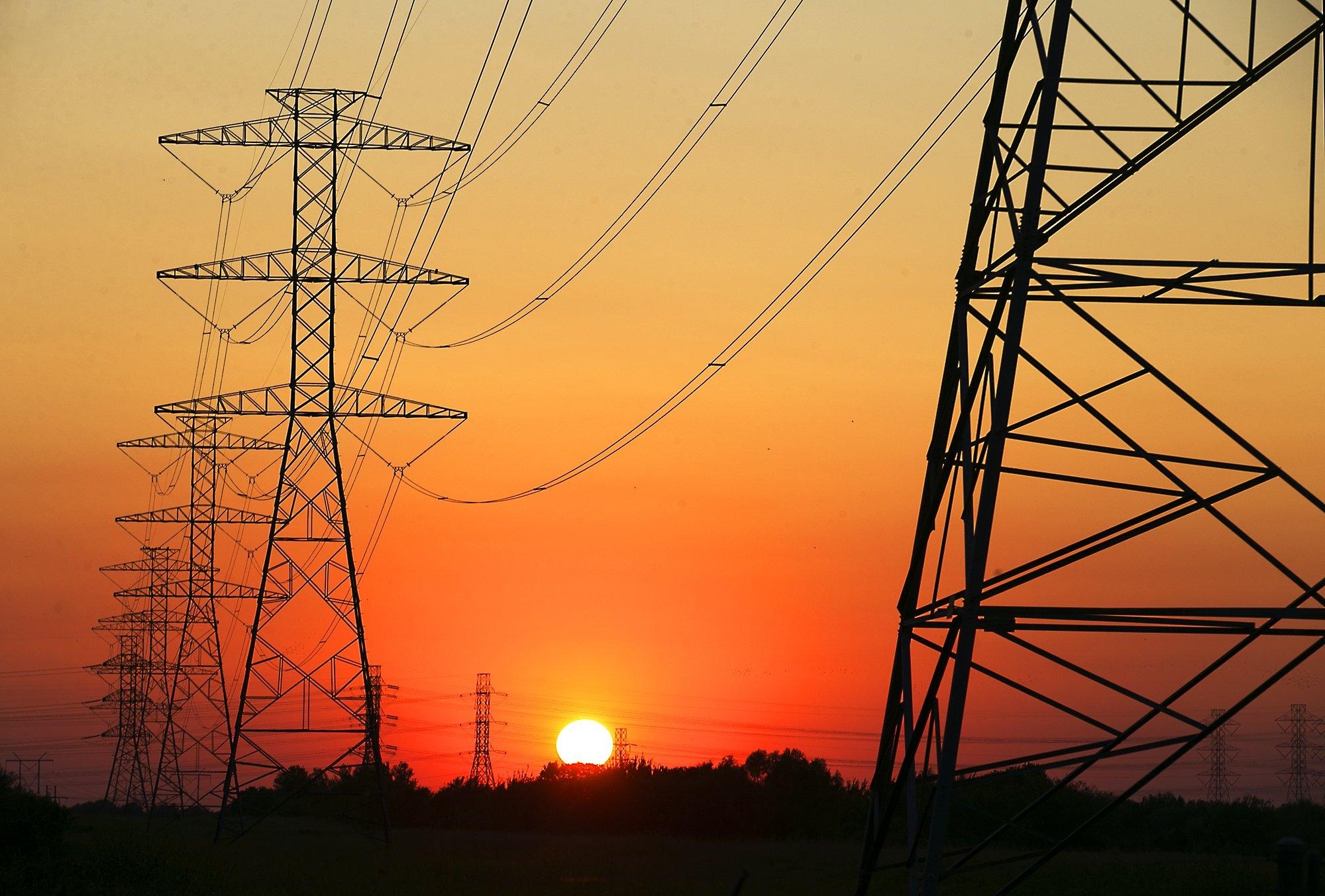
Rural schools and health facilities across Matabeleland are among hundreds of institutions set to benefit from an intensified electrification programme by the Rural Electrification Agency (REA), which says it is fast-tracking projects to meet a government target of universal electrification of public institutions by the end of 2026.
The agency has stepped up the rollout of power infrastructure across Matabeleland provinces, with multiple projects currently underway in schools and clinics as part of efforts to close the rural-urban service delivery gap.
REA said several installations are at different stages of completion in Matabeleland North, while new sites have already been identified and are undergoing preparatory assessments ahead of construction.
REA public relations and marketing executive Johannes Nyamayedenga said priority is being given to education and health institutions in line with government’s broader development agenda.
On this topic
In Lupane District, four projects are currently under construction.
“We have Lupane District where we have four projects which are ongoing. They are under construction and we have Jengwe Primary School, Sagonda Primary and Secondary School, Makuni Primary School and Business Centre, and Zinakhi Primary School. These projects are being implemented,” said Nyamayedenga.
He added that Hwange District was also seeing progress, with three schools included in the ongoing electrification works.
“In Hwange we have three projects that are being implemented, which are Cheumba Primary School, Lupinyu Primary School and Bambamkhulu Secondary School,” he said.
In Umguza District, Mangwabi Primary School and Heloka Primary School have been lined up for electrification.
Beyond construction sites, REA said it is also carrying out preliminary work in several other areas, including wayleave clearance and technical surveys to pave the way for future installations.
“We also have schools which have been identified where we are doing surveys — wayleave clearance. In Lupane we have identified five schools, Nkayi one school, and Tsholotsho one school,” said Nyamayedenga.
He added that in Tsholotsho, local authorities have already approved wayleave applications for six schools, clearing the way for imminent works to begin.
In Matabeleland South, Nyamayedenga said a larger cluster of institutions is also being electrified, with 17 projects currently at various stages of implementation.
“In Matabeleland South, we have 17 institutions which are in progress and what we are doing is tubing,” he said, referring to the installation phase of electrical infrastructure.
He noted that some of the ongoing projects are being financed through funds rolled over from the previous year, with the agency operating under strict deadlines to complete all works before year-end.
“There are some projects which REA is doing with money which remained last year, and all these projects should be completed before year-end because we have a target to electrify all schools and clinics before the end of the year,” said Nyamayedenga.
The electrification drive is expected to improve learning conditions, expand access to digital tools, and strengthen healthcare delivery in rural communities where a lack of electricity has long constrained development.
Support CITE’s fearless, independent journalism. Your donation helps us amplify community voices, fight misinformation, and hold power to account. Help keep the truth alive. Donate today





Leave a Reply