
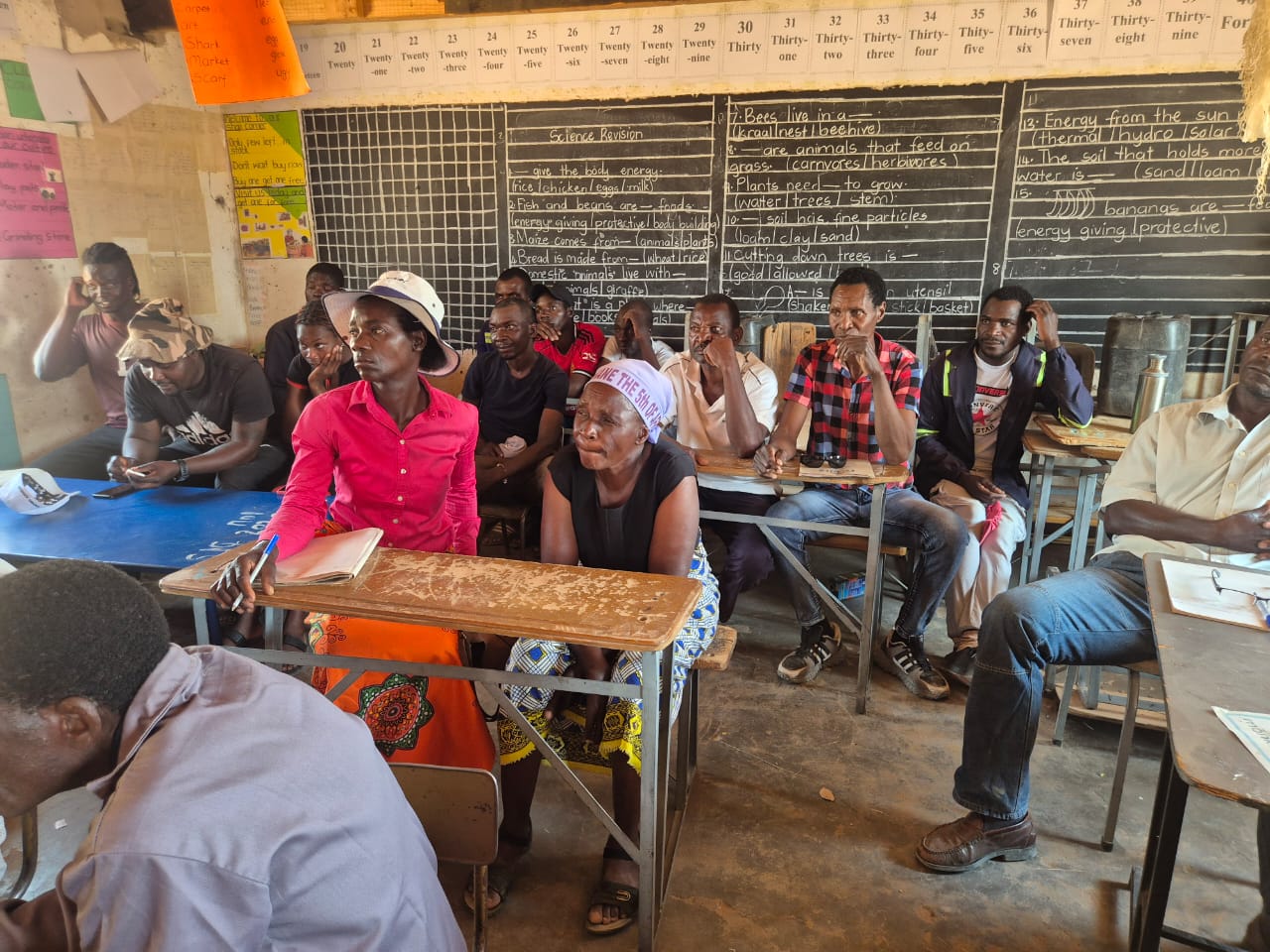
Young people in Lubimbi, Binga, say the government has failed to adequately address concerns raised by the community five years ago over the Gwayi-Shangani Dam project, particularly on relocation, compensation, employment and the protection of livelihoods.
The concerns were contained in a position paper prepared by Lubimbi Ward 20 residents on April 27, 2021, which warned the dam would displace 502 households and affect about 2 422 people.
The position paper raised concerns over the loss of homes, arable and grazing land, schools, boreholes, roads, a dip tank, cultural sites and other community infrastructure.
It also called on the government to make sure affected villagers benefited from the economic opportunities expected to arise from the dam.
On this topic
These concerns have resurfaced following the release of the Gwayi-Shangani Master Plan, prepared by the Department of Spatial Planning and Development in Matabeleland North in May 2026, which acknowledges the dam will result in the displacement and relocation of communities.
The Master Plan identifies Nakanono as the main resettlement area and acknowledges flooding caused by the dam will result in the displacement of households.
However, during a two-day community meeting hosted by the Zimbabwe Resilience Network in partnership with Basilwizi Trust, with support from ActionAid Zimbabwe, to unpack the Master Plan with villagers, young people from Lubimbi said the plan acknowledges their concerns but does not provide sufficient detail on how they will be addressed in practice
“We put our concerns in the position paper because we knew that the dam was going to affect our community, but up to now, we do not see some of the issues we asked for clearly addressed in the Master Plan. The water that will be impounded will benefit Bulawayo. Even those relocated to Nakanono will not benefit,” one young person from Lubimbi said.
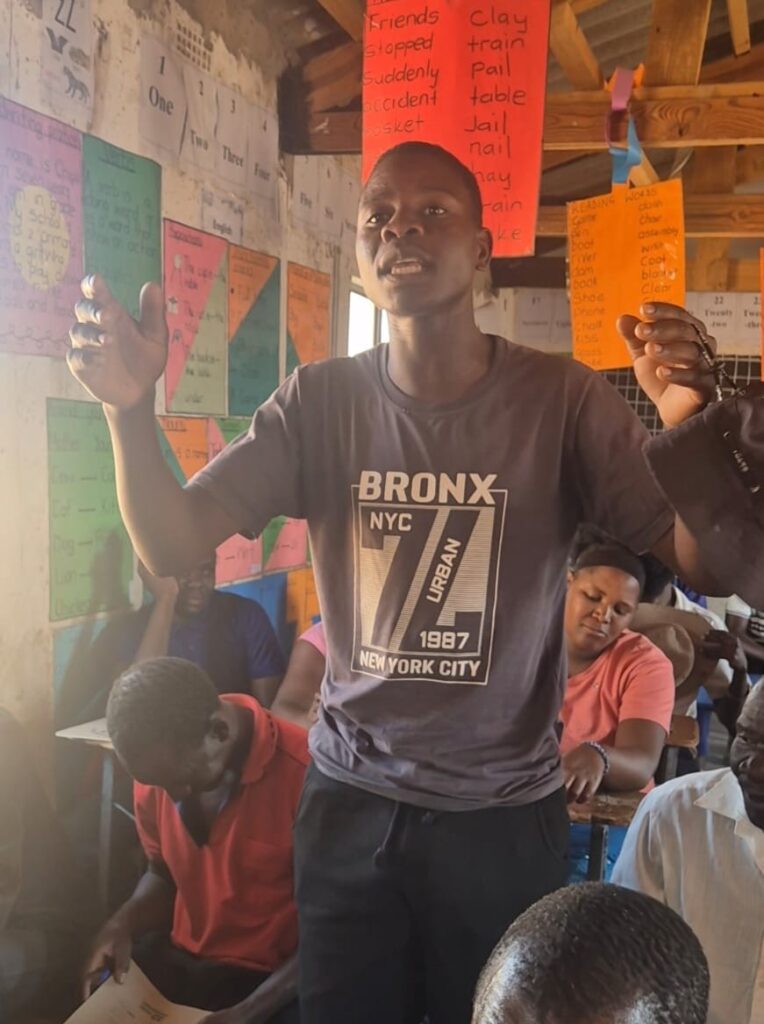
The 2021 position paper specifically demanded the relocation site be identified urgently and that the new area should be close to the dam so residents could continue accessing water for domestic use and livelihood projects.
It further demanded the relocation area have arable land, adequate grazing land and irrigation opportunities.
“The place should be close to the dam so that the community can access the dam and water for livelihood projects and domestic use, land should be arable, adequate for grazing, adequate for irrigation,” the paper states.
While the Master Plan identifies Nakanono as the main resettlement area, the sections reviewed by CITE do not provide a detailed, ward-specific plan showing how Lubimbi households will access irrigation land, grazing land and other livelihood opportunities after relocation.
The Master Plan acknowledges displacement will result in people losing access to land on which they have settled and farmed for generations.
It also warns that displacement can expose affected communities to health, psychological, economic, social and cultural shocks.
The document calls for innovative ways to make sure affected communities benefit from irrigable land and water and are given affirmative action to enable them to contribute to food security and the economy.
“The place they relocate us to should be spacious so that we are able to farm, have vegetable gardens,” said Lwazilwenkosi Tshuma, a young woman.
“Where we are staying now, we could grow vegetables for resale, we could do fishing as a business, so we want to survive.”
Employment was another major concern raised by the Lubimbi community in 2021.
The position paper demanded deliberate employment opportunities for local people at the dam construction site, saying the issue had been raised during Environmental and Social Impact Assessment consultations.
“There shall be deliberate consideration for people from Lubimbi to have employment opportunities at the construction site as this is what the community raised during Environment and Social Impact Assessments,” the position paper states.
The Master Plan identifies employment creation as one of the expected benefits of the dam and says the project will stimulate economic activities including agriculture, tourism, mining and fishing.
It also states the plan should ensure maximum benefit to communities directly affected by the dam through “basic services, employment creation, infrastructure development”.
However, the sections reviewed by CITE do not specify an employment quota for Lubimbi residents or set out a mechanism guaranteeing that affected villagers, particularly young people, will have access to jobs created by the project.
This has left young people questioning how they will benefit economically from a project that is simultaneously displacing them.
“We were told that the project would bring opportunities, but our concern is whether those opportunities will actually reach the young people from Lubimbi who are being affected,” another youth said.
The community also demanded compensation for homes and other property that would be destroyed by the project.
“The community expects compensation from the government on individual structures and property that will be destroyed, hence require that compensation modalities be established,” the position paper states.
Residents said standard housing units were their preferred form of compensation.
“What we want when this dam gets here is nice infrastructure. As women, we want to get livelihoods from this dam,” said Vivian Nyathi.
“Our household infrastructure should be compensated. Churches as well should be compensated and we want houses where we are going, schools, clinics, to access water closer so that we don’t struggle as women.”
The Master Plan recognises people affected by the dam and associated developments will require assistance and says those who lose access to basic amenities such as schools, clinics and roads must have these services provided.
The plan’s proposed budget includes US$7.6 million for the construction of houses, while US$27 000 is allocated under National Museums and Monuments for sacred places and graves.
However, in the sections reviewed by CITE, the plan does not clearly set out compensation rates, payment timelines or specific compensation packages for the households identified by the Lubimbi community.
For affected residents, this remains a major concern.
“We raised the issue of compensation because people are losing their homes, fields and other property. We need to know what will happen to us and what we will receive before we are moved,” said the youth.
The 2021 position paper also raised concerns over the destruction of critical infrastructure.
It stated that Lubimbi 2 Primary School would be submerged, affecting 460 pupils, while learners at Lubimbi High School and Lubimbi 1 Primary School would also be affected by the relocation of their homes.
The Master Plan confirms that Lubimbi Primary School will be submerged by the dam.
The position paper also warned about 60 boreholes would be submerged and called for the government to prioritise replacement infrastructure before relocation.
“Schools, the health centre, dip tanks, protected water sources as well as piped water as these cannot be done overnight,” the position paper states.
The Master Plan acknowledges infrastructure challenges in Lubimbi and notes the Lubimbi road will be closed after the dam impounds water because of flooding, creating the need for an alternative access road.
However, young people want clearer commitments on when replacement infrastructure will be built and whether it will be available before people are moved.
The community’s concerns also extend beyond physical infrastructure and economic livelihoods to cultural heritage.
The 2021 position paper identified a large baobab tree and hot springs where residents perform cultural rituals, as well as graves in affected villages.
“We have a big Baobab tree and the Hot springs where we perform our cultural rituals and they are likely to be destroyed or inaccessible,” the position paper states.
The Master Plan recognises the importance of cultural heritage in the planning area, noting two important shrines will be submerged and will therefore need to be relocated. It also identifies widespread burial sites in the area.
The plan further acknowledges displaced communities may leave behind sacred shrines and family graves, describing this as a major cultural concern.
The Lubimbi community had demanded that affected residents retain access to their cultural and heritage sites after construction.
“That after construction, the government allows the affected people access to their cultural and heritage sites,” the position paper states.
Young people said recognition of these concerns must now be followed by concrete measures to protect the community’s heritage.
The concerns are particularly sensitive in Lubimbi because villagers say they have experienced repeated displacement.
The 2021 position paper stated some Lubimbi villagers had previously been moved from the Madilo area to pave way for the Cold Storage Commission project, while others were displaced during the construction of Kariba Dam and the establishment of Hwange National Park.
“For so many years, successive governments have been talking about building the dam with limited progress,” the position paper states.
“For the people of Lubimbi 2, the project brings the fourth relocation in 76 years! This has literally made the people of the ward live a life of nomads.”
The Master Plan similarly recognises the social and economic consequences of displacement, stating that affected people may lose livelihoods and become alienated from land where they have settled and farmed for generations.
It identifies five groups whose needs must be addressed, including people whose lives are at risk when the dam impounds water, those losing livelihoods, people affected through the loss of cultural and traditional rights, and those losing access to basic services such as schools, clinics and roads.
The youth said the central question is whether these acknowledgements will translate into concrete commitments.
“Our concern is the issues we raised are not addressed in a way that gives us confidence about our future after relocation. It seems we are bunched together with other districts,” one youth said.
The Master Plan itself says stakeholder consultations were intended to gather the expectations of local communities, identify gaps in proposed plans and increase ownership of the project.
It also states the study was intended to identify policy and development proposals that make sure maximum benefit to people directly impacted by the dam.
This raises a key question for the Lubimbi community: how specifically have the concerns raised in its 2021 position paper been incorporated into the implementation of the 2026 Master Plan?
The youth said facing the prospect of another displacement, acknowledgement alone is not enough.
“People have been talking about this dam for years. What we want now is to see the promises being implemented and to know what will happen to our community,” the youth said.




Leave a Reply