
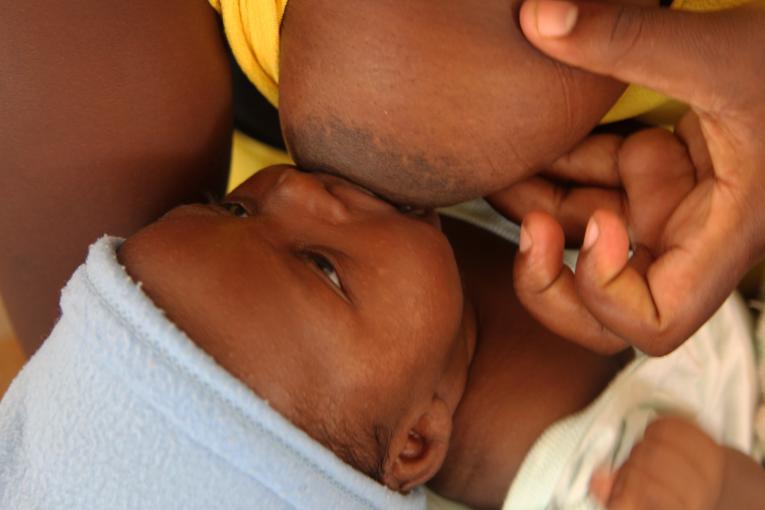
Gender and women’s rights organisations have welcomed the Public Service Commission’s (PSC) decision to introduce a policy allowing breastfeeding public servants to travel with their babies and a baby minder on approved official trips within Zimbabwe, describing it as a progressive step towards creating family-friendly workplaces.
The policy, issued on 23 October 2026, allows eligible public servants with children aged up to two years to travel with their babies and a minder when undertaking approved official duties.
Under the arrangement, the relevant Ministry will meet the minder’s transport, meals and accommodation costs, subject to established approval procedures and available budgetary provisions.
The minder must be at least 18 years old, while applicants are required to submit a written request accompanied by supporting documentation.
On this topic
The Zimbabwe Gender Commission (ZGC) commended the PSC for introducing the policy, saying it recognises the challenges breastfeeding mothers face in balancing their professional responsibilities with childcare.
ZGC said the decision promoted gender-responsive and family-friendly workplaces while giving practical effect to constitutional provisions on gender equality and women’s rights.
The commission said the policy was particularly significant in advancing Section 17 of the Constitution, which requires the State to promote gender balance and women’s full participation in all spheres of life; Section 56, which guarantees equality and prohibits discrimination on grounds including sex and gender; and Section 80, which guarantees women equal dignity and opportunities with men in political, economic and social activities.
“The Zimbabwe Gender Commission commends the Public Service Commission (PSC) for introducing a policy allowing breastfeeding public servants to travel with their babies and a baby minder on approved official trips within Zimbabwe,” the Commission said in a statement.
The ZGC said the policy followed its advisory on the matter and welcomed the PSC’s response, describing it as a timely recognition of an urgent gender equality concern affecting women in the public service.
“The Zimbabwe Gender Commission commends the Public Service Commission for its prompt and timely response to the Commission’s advisory on this matter, and for prioritising the issue as an urgent gender equality concern requiring attention, particularly in addressing the challenges faced by breastfeeding mothers in the public service,” it said.
The Commission urged all Ministries, Departments and Agencies to make sure the policy is effectively communicated and implemented so that eligible employees can access its provisions.
It also called for continued reviews of workplace policies to strengthen support for breastfeeding mothers and promote work-life balance.
Another women’s rights organisation, WoMandla, a girls- and women-led organisation based in Zvishavane, also welcomed the development, describing it as a victory for women and caregivers and an important step towards more inclusive workplaces.
The organisation said the policy acknowledged that motherhood and professional responsibilities should not be treated as competing demands.
“For far too long, women have had to navigate the difficult choices between career progression, work responsibilities and caregiving. Policies like this acknowledge the realities of women’s lives and take a practical step towards addressing structural barriers that disproportionately affect women,” WoMandla said.
“We celebrate this development and encourage continued efforts to build workplaces that recognise, accommodate and value care work.”
The organisation argued the policy recognised the often-overlooked contribution of caregivers and the need for institutions to accommodate the realities of women’s lives rather than leave them to manage childcare challenges individually.
“Care is not a personal inconvenience. It is a shared social responsibility. And supporting caregivers is part of advancing gender equality,” the organisation said.
However, WoMandla stressed the announcement should be followed by effective implementation, adequate resourcing and measures to make sure the provisions translate into meaningful support and “reality” for women who need them.
It said the development should also encourage broader efforts to establish workplaces that recognise, accommodate and value care work.
The policy addresses a practical challenge for breastfeeding mothers in the public service, who may otherwise have to make difficult arrangements for childcare when required to travel for official duties.
Such demands can affect their ability to participate fully in work-related activities and professional opportunities.
While the new provision creates an avenue for eligible mothers to travel with their children and a minder, its effectiveness will depend on how consistently government institutions apply the approval procedures and provide the necessary resources.








Leave a Reply