
Police have warned landlords against renting out rooms and other properties to people who use them to store or consume illegal drugs, saying property owners could face seizure of their homes if they knowingly allow their premises to be used for drug-related activities.
Detective Mudzimu, from the Zimbabwe Republic Police (ZRP) Criminal Investigations Department (CID) Drug Section, said landlords who continued receiving rent from tenants involved in drug-related activities risked losing their properties under legal provisions introduced in June 2026.
She said some tenants rented rooms without actually living in them, raising questions about the activities taking place inside the properties.
“Usually, what happens is that you will find a person who is looking for a one-room apartment, and the person does not stay there. He only keeps his things inside that room and only comes once a month to collect his or her things and goes. The question is, what will be inside the room that he or she is keeping?” Mudzimu said.
On this topic
She said the new provisions empowered police to seize properties where landlords knowingly allowed their premises to be used for criminal activities while receiving rental payments.
“Since June 2026, the statutory instrument (SI) has said that if we, as policemen, come to your house and find drugs in your house, and you were receiving rent from the person who was keeping drugs in your house, and you have three months accepting rent from this person, the Government has authorised us to seize your house. The crime is called ‘allowing your premises to be used for criminal use’,” she said.
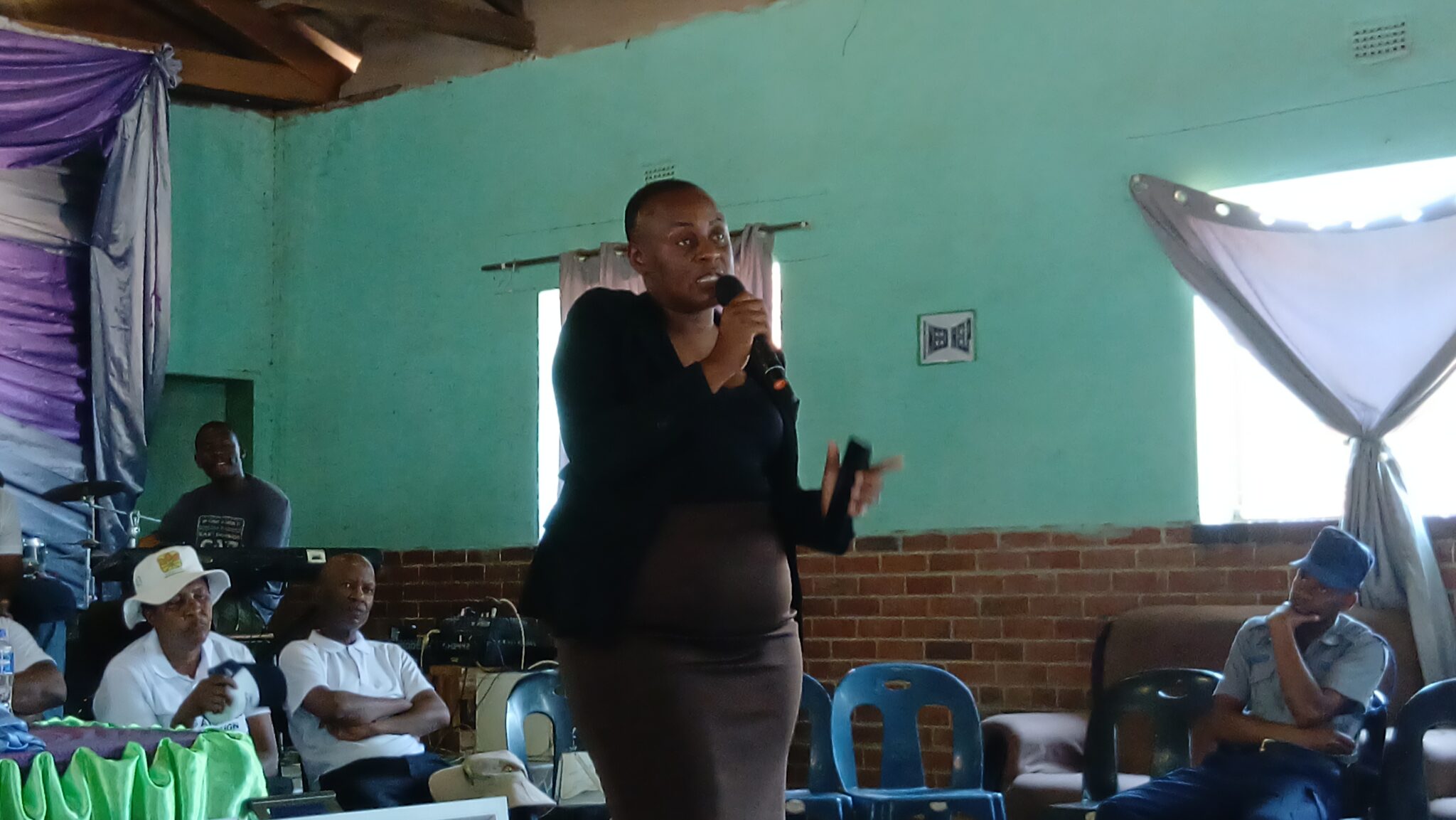
Mudzimu was speaking on Tuesday at Mzilikazi Baptist Church during a drug awareness campaign organised by the Mzilikazi and Barbourfields Residents Association under the theme, “Arise, Shine and Save the Community”.
She also warned homeowners against allowing people to use backyard structures and sheds for drinking alcohol and consuming illegal substances.
“Those people who have also built a shed behind their house and they allow people to come and drink alcohol and consume illegal substances, if we come more than three times, we are authorised to seize your house. If you allow people to come to your house to consume drugs, we will take your house,” she said.
The detective further warned that everyone found at premises where illegal drugs were being consumed could face arrest, regardless of whether they were personally using the substances.
“If we then also find one or three people who are taking drugs and the rest are not, we are arresting everyone in the premises. Parents must warn their children not to sit with people who smoke cannabis or take crystal meth because if we find him or her sitting with them, even if he or she is not consuming the drugs, we are arresting everyone,” Mudzimu said.
She said people caught possessing or consuming illegal drugs would no longer be dealt with through fines but would instead be taken to court for further assessment and possible prosecution.
“There is no longer a fine for being caught with drugs or the consumption of it. We will take the person to court, and once they are in court, there is an interview that will be going on so that the judge can assess whether the person is fit to be put back into society. If not, he or she will be then taken to prison,” she said.
Meanwhile, Mzilikazi proportional representation councillor Lezina Mohamed said substance abuse was increasingly affecting families and communities, with parents frequently approaching community leaders for assistance after their children became involved in drug use.
She said some parents were reluctant to acknowledge that their children were abusing drugs, making it difficult to intervene and seek appropriate help.
“As community leaders, we always get phone calls from parents saying their child has stolen something or is now mentally ill or he or she is fighting with people. The problem is also on us as parents because we are in denial. We will be knowing our child smokes, but you are in denial,” Mohamed said.
Mohamed said community leaders sometimes advised parents to take affected children to hospital for medical assistance, but some refused, attributing their children’s behaviour to witchcraft.
“There have been many occasions where parents call me as a councillor to come and solve the problem, and I suggest that the child be taken to the hospital, but the parents refuse and say we can’t because the parent believes that he or she has been bewitched by the mother or the uncle or the father or someone in their family,” she said.
She urged parents and residents to acknowledge the scale of substance abuse and work together to address its effects on families and communities.
“We must agree that this problem of drugs and substance abuse is there and it’s affecting society,” Mohamed said.






Leave a Reply