
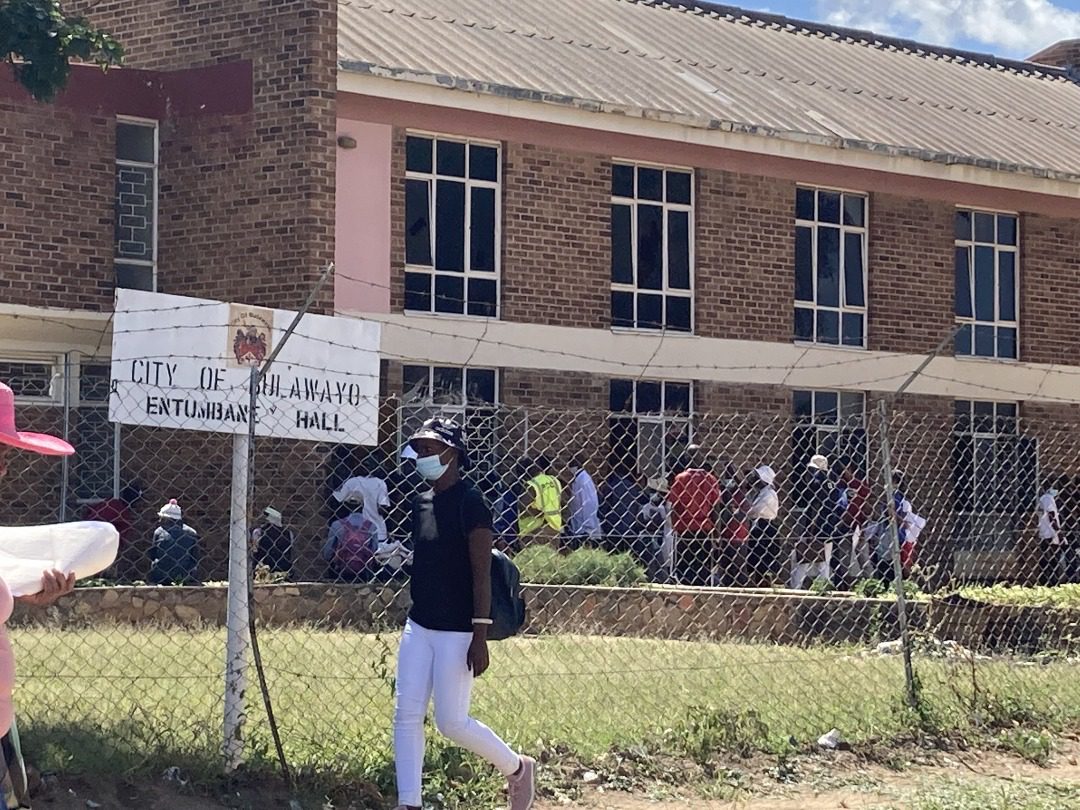
Residents of Entumbane have been urged to pay their rates to boost funding for community development projects after it emerged that several priority initiatives identified by the community require more money than is currently available through the Ward Retention Fund (WRF).
Speaking during a community feedback meeting at Entumbane Hall on Sunday, Bulawayo Ward 10 councillor Khalazani Ndlovu said the ward had accumulated US$59 853 in its retention fund since 2023, but the amount was insufficient to fund some of the projects residents want implemented.
“We currently have US$59,853 in the Ward Retention Fund. Since I joined council in 2023, we have not touched the money and it has been accumulating over the past three years,” said Ndlovu.
The Ward Retention Fund is a Bulawayo City Council initiative that allows wards to retain three percent of the rates and service fees paid by residents. The funds are reserved for infrastructure and development projects selected by communities and their councillors.
On this topic
Ndlovu said Entumbane had one of the lowest retention fund balances in the city, a situation she attributed partly to low rates payment.
“If you have noticed, Entumbane has the least amount of money available for these projects. Many residents are elderly and may struggle to pay rates. The money available is very little compared to some wards that have over US$100,000,” she said.
The councillor said residents recently met to identify projects they wanted prioritised using the available funds, with the refurbishment of Entumbane Hall emerging as the top priority.
“The project that received the most support was the renovation of Entumbane Hall, including repairs to benches, windows and doors,” she said.
However, an assessment by the city council found that the project would cost about US$80,000, leaving a funding gap of more than US$20,000.
“Council’s evaluation showed that US$80,000 is needed to renovate the hall. The money we currently have is not enough, so we are appealing for donations, including building materials,” said Ndlovu.
The installation of solar-powered street lights was identified as the second priority project after residents raised concerns over poor lighting in parts of the suburb.
“We noticed that some areas are very dark. The assessment showed that the installation of solar street lights would also require about US$80,000,” she said.
Ndlovu said the tender process for the project had already been completed, with council expected to appoint a contractor before implementation begins.
Other projects proposed by residents include the rehabilitation of Muziomuhle Road, the solarisation of tower lights, the completion of a football pitch and the establishment of a youth centre.
According to Ndlovu, solarising the suburb’s tower lights would require approximately US$200,000, while completing the football pitch would cost about US$79,000.
She said council was still assessing some of the proposed projects and would provide detailed reports once the evaluations were complete.
Ndlovu urged residents to improve rates payments to increase the amount available for future community development initiatives.
“I urge residents to pay their rates,” she said.
The community meeting was held to provide residents with an update on the ward’s retention fund balance and the progress of proposed development projects.
Support CITE’s fearless, independent journalism. Your donation helps us amplify community voices, fight misinformation, and hold power to account. Help keep the truth alive. Donate today






Leave a Reply