
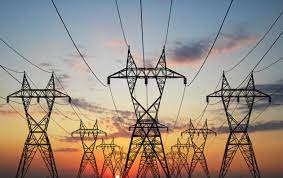
Farmers in Matabeleland North have called on the Zimbabwe Energy Regulatory Authority (ZERA) to introduce affordable electricity tariffs for agriculture and expand access to the national grid to protect food production amid forecasts of a potentially severe El Niño-induced drought.
The farmers also urged the regulator to promote solar-powered irrigation, saying high fuel costs and limited access to electricity were making it difficult for some producers to irrigate crops and prepare for dry conditions.
Zimbabwe Commercial Farmers Union (ZCFU) Matabeleland North chairperson Thembelani Mpofu made the proposals during a ZERA stakeholder engagement meeting in Bulawayo on Thursday.
Mpofu said farmers relying on rainfall risked poor harvests if the anticipated dry conditions materialised.
On this topic
“The Meteorological Department, they are telling us that we are going to be faced by a serious El Niño that is going to hit us very hard,” he said.
“What we are saying as farmers, once that happens, our crops are going to suffer and drought is coming and we are afraid hunger is going to come one way or the other.”
He urged ZERA to support what he described as a climate contingency energy plan, with priority given to solar-powered boreholes and small dams for irrigation.
“We therefore propose to ZERA that we have a climate contingency energy. Prioritise energy for solar boreholes and small dams now. This would directly support NDS2 with the target of 35,000 solar boreholes and protect our national security,” Mpofu said.
Mpofu said diesel-powered irrigation was expensive for smallholder farmers, estimating that irrigating a quarter of a hectare could cost between US$45 and US$50 or more.
He added that many farmers in Matabeleland were located far from the national electricity grid, limiting their access to reliable power for irrigation and other agricultural activities.
“We propose that you assist us as farmers. You connect us to the national grid. We create mini grids on different farms. There are so many farms or the land is there actually,” he said.
Calls for special agricultural tariffs
Mpofu proposed special electricity tariffs for irrigation, including reduced rates for farmers who pump water during off-peak hours.
“Introduce an off-peak irrigation tariff, let us irrigate at night from 10pm to 5am at a lower cost. We get cheaper power and ZERA gets load balancing. We reduce pressure on the daytime grid,” he said.
He also called for predictable seasonal electricity prices between October and January, when farmers prepare their land and plant crops.
“Give registered farmer cooperatives a stable predictable energy price. Let us stop the price shock during the seasons when we need you the most,” he said.
The proposals are aimed at reducing the cost of irrigation and making energy expenses more predictable for agricultural producers. Their implementation would depend on the relevant regulatory, tariff-setting and electricity supply arrangements.
Energy costs and agricultural processing
Beyond irrigation, Mpofu said reliable and affordable electricity was needed to help farmers process their produce and reduce post-harvest losses.
He said farmers could increase the value of their produce by processing commodities such as tomatoes and maize instead of selling them in raw form.
“Our members want to dry vegetables, do cold storage, package at the farm gate, but we cannot because processing needs reliable, affordable energy. We cannot run a cold room on a generator,” he said.
Mpofu urged ZERA to consider the energy needs of agricultural processing in its planning, arguing that improved access to electricity could support employment creation and food security.
He also called for fuel monitoring teams to be decentralised to Matabeleland to strengthen oversight of fuel quality.
He warned that contaminated or adulterated diesel could damage agricultural machinery, leading to costly repairs and delays in farming operations.
Renewable energy and infrastructure protection
Mpofu proposed measures to protect energy infrastructure, including community-based protection committees and anti-theft technology for new solar installations and transformers.
“We must protect what we build,” he said, calling for stiffer penalties for vandalism of energy infrastructure.
He also urged support for the rehabilitation and reuse of farm windmills for irrigation, alongside alternative energy sources such as biogas produced from cow dung and crop waste.
Mpofu said these technologies could provide additional energy for agricultural production and processing while reducing reliance on conventional fuels.
While acknowledging improvements in fuel pricing and reduced load-shedding, he said more needed to be done to ensure energy costs did not undermine agricultural production.
“As you craft this strategy, we ask you to see energy not as a commodity to regulate, but enabler of food security,” Mpofu said.





Leave a Reply