
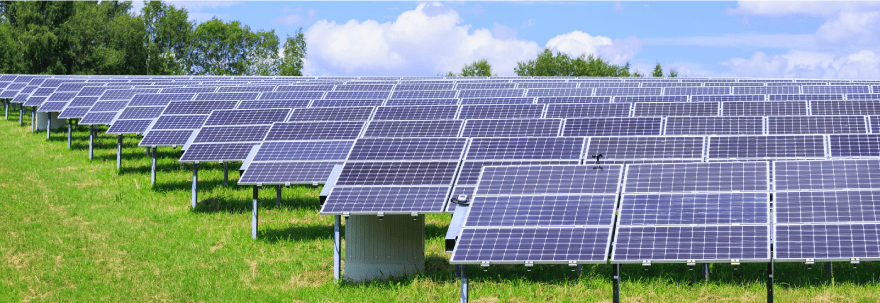
Zimbabwe’s solar industry is facing challenges ranging from misleading advertising and counterfeit products to poor installation standards and inadequate recycling facilities, industry players have warned.
They have called on the Zimbabwe Energy Regulatory Authority (ZERA) to strengthen oversight, improve installer training and work with other agencies to protect consumers and the environment.
The concerns were raised by Tinashe Gwadzoka, enterprise manager at Pracsol Developers, during ZERA’s 2026 pre-strategy review, stakeholder consultation and feedback workshop in Bulawayo on Thursday.
Gwadzoka said misleading claims about solar products, particularly on social media, were creating unrealistic expectations among consumers and making it difficult for professional installers to compete with businesses selling substandard equipment.
On this topic
“The first challenge is too much misinformation in the solar industry. There’s a lot of false information circulating, particularly on social media. Solar products are being advertised like toothpaste and bathing soap,” he said.
He said solar systems involved technical considerations that consumers needed to understand before making purchasing decisions.
Gwadzoka cited claims that solar panels worked in all weather conditions as an example of misleading information.
“I am sure most of you have heard people saying solar panels are all-weather products. How many of us have heard about that? Those are some of the misinformation circulating,” he said.
He said consumers were sometimes drawn to contractors who made exaggerated claims, leaving reputable installers struggling to explain the limitations of different systems.
Gwadzoka urged ZERA to expand its training programmes for solar installers and ensure they kept pace with technological developments.
He said the training should go beyond basic installation skills and include online courses that prospective installers could complete at their convenience.
“I think ZERA has done well with those annual trainings for solar installers. I think you can continue doing more of those and make them a bit more comprehensive,” he said.
“Align those trainings with the advancement in technology, particularly in the solar industry.”
Counterfeit products threaten consumers
Gwadzoka also raised concerns about the availability of counterfeit and substandard solar components, including panels and batteries, saying rising demand was contributing to their proliferation.
He said cheaper, low-quality products were putting businesses that sold equipment meeting the required standards at a disadvantage.
“These products are very cheap in terms of price. But if you are a contractor or a wholesaler and you want to sell legitimate, up-to-standard products which are pricier, you lose out because clients will definitely go for the cheaper products,” he said.
He warned that substandard equipment could expose consumers to safety risks and make it difficult for installers to offer warranties or guarantees.
Gwadzoka called on ZERA to support local manufacturing of solar components, arguing that domestic production could make it easier to monitor quality and address warranty disputes.
He also urged the regulator to conduct more inspections of products on the market.
Gwadzoka cited an incident in which ZERA representatives tested a brand of solar panels sold by his company and found that it failed to meet the required standards.
He said the company stopped selling the product after the test.
“I think you can make more noise, go around and do those checks. I heard you bought the equipment. You now have the equipment to test the solar panels and batteries. Please make use of those machines. Make use of the equipment, go around and make your standard checks,” he said.
Poor wiring poses installation challenges
Gwadzoka said poor electrical wiring in some homes was another challenge, potentially compromising the safety and effectiveness of solar installations.
He said installers sometimes encountered houses with substandard cables and inadequate electrical circuits, making it difficult to connect solar systems safely.
“You go to a house to do a solar installation and find that the house is improperly wired using substandard cables. A seven-roomed house, all the plugs are being supplied by one or two circuits, and you are going there to install maybe an 8kW solar system,” he said.
He explained that solar installations often required electrical circuits to be separated so that selected appliances could draw power from the solar system while others remained connected to the national grid.
Poor wiring made this process more difficult, he said.
Gwadzoka called on ZERA to engage the Zimbabwe Electricity Transmission and Distribution Company (ZETDC) to ensure new houses were properly wired before solar systems were installed.
Calls for solar waste recycling facilities
The enterprise manager also warned that the growing adoption of solar energy was creating a waste management challenge, with damaged panels, batteries and inverters accumulating at businesses because of limited disposal and recycling facilities.
He said the lack of formal recycling infrastructure increased the risk of damaged components being improperly processed and resold.
“Do you know where those dead batteries, those dead solar panels, those dead inverters are right now? They are in our offices, they are in our workshops, they are in our warehouses,” he said.
He warned that some of the discarded equipment could eventually return to the market after being improperly recycled.
Gwadzoka called on ZERA and the Environmental Management Agency (EMA) to work together to establish solutions for the safe disposal and recycling of solar components.
“I think ZERA and EMA should engage and look into that,” he said.






Leave a Reply