
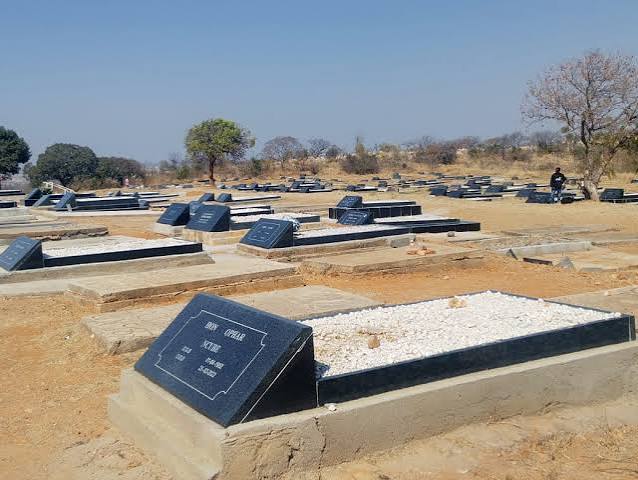
Concerns over the neglect of liberation war heroes’ graves, with some burial sites reportedly overgrown with grass and poorly maintained, have highlighted calls for greater government support for both the surviving families of deceased veterans and the upkeep of their graves.
The concerns come as the Ministry of War Veterans of the Liberation Struggle Affairs considers increasing burial assistance for bereaved families from US$500 to US$2 000 in ZiG equivalent.
This matter was raised at the Senate recently when Bulawayo Senator, Molly Mpofu, questioned why some deceased war veterans appeared to receive less attention than national heroes, particularly in the provision of burial assistance and the maintenance of their graves.
Mpofu said relatives of deceased veterans faced difficulties meeting burial costs, while some graves of those who had fought in the liberation struggle were reportedly neglected.
On this topic
“Those who have difficulties are the ones who have been running around and wherever their graves are, they are not taken care of. There is a lot of grass and those are the comrades who worked very hard during the liberation struggle,” she said.
She questioned why veterans who had actively participated in the liberation struggle were not receiving adequate care after death, while graves at the National Heroes Acre were better maintained.
“If a war veteran has passed on, their relatives have difficulty burying their loved one. Are the heroes different, because when other heroes are being buried by the State, their graves are built and closed?” Mpofu asked.
Responding, Minister of War Veterans of the Liberation Struggle Affairs Monica Mavhunga acknowledged that different categories of heroes had different burial arrangements and support.
“Are there any differences when we are burying our heroes? Yes, there are differences. We have the national heroes, those who have been given national hero status. Then we have liberation war heroes who are declared after their works have been vetted,” she said.
Mavhunga explained that national hero status was granted by the President and could be awarded to people who participated in the liberation struggle as well as those who did not.
“National heroes cover those who fought for the country and those who did not fight for the country. It depends on the President granting hero status. When it comes to hero status, it depends on where you have been placed, but heroes are buried in different ways. I cannot dwell on how national heroes are buried, because we have the National Heroes Act. As a Ministry, we foresee the burial of the other two statuses,” she said.
She said her ministry oversaw burial arrangements for liberation war heroes, while their families received financial assistance to help meet funeral expenses.
Families of deceased liberation war heroes currently receive US$500 in Zimbabwe Gold (ZiG) equivalent from the ministry.
However, Mavhunga indicated the government was considering increasing the grant to US$2 000, following discussions at a recent pre-budget seminar in Bulawayo.
“When we were in Bulawayo for the Pre-Budget Seminar, that is the money we were referring to, that money should be increased to US$2,000,” she said.
Mavhunga said families could choose whether to bury their deceased relatives at designated heroes’ acres or at their rural homes.
She said Zimbabwe had district and provincial heroes’ acres, in addition to the National Heroes Acre. District heroes’ acres include burial sites for veterans repatriated after the liberation struggle, while provincial heroes’ acres are located across the country.
On the maintenance of graves, Mavhunga said the Ministry of Home Affairs and Cultural Heritage was responsible for overseeing the upkeep of heroes’ burial sites.
She added the Cabinet had established a committee to oversee heroes’ burials and that funding had been made available for the maintenance of graveyards.
However, the minister did not outline specific measures to address the concerns raised in the Senate, including how frequently graves were inspected, how maintenance was coordinated across districts and provinces, or when improvements would be implemented.





Leave a Reply