
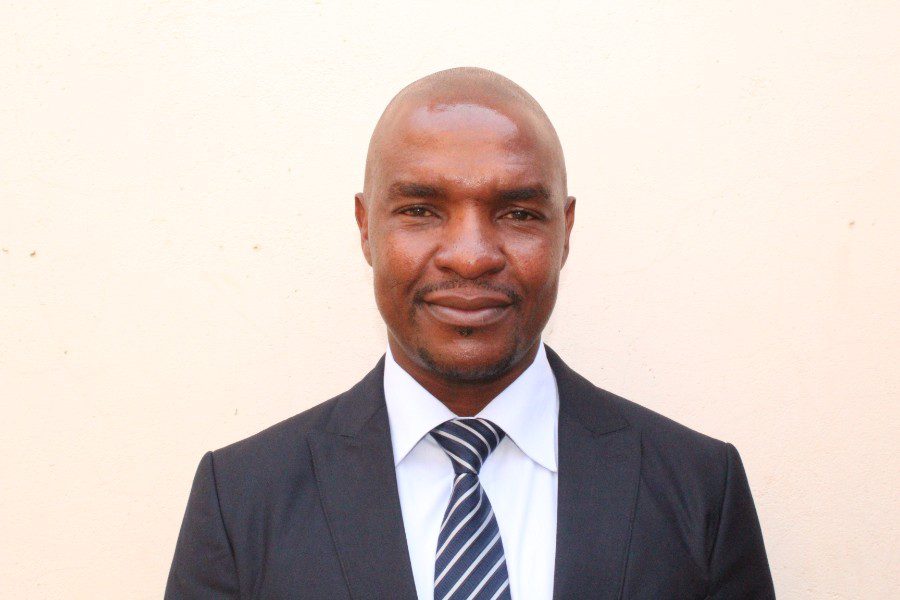
Transport and Infrastructural Development Minister Felix Mhona has warned motorists against buying drivers’ licences, saying the corrupt practice is contributing to dangerous driving and the country’s high road accident toll.
Mhona said some motorists were obtaining licences without undergoing the required training and road tests, putting their lives and those of other road users at risk.
He made the remarks in the Senate while responding to a question from Senator Maggie Chakabuda, who wanted to know what measures the ministry was taking to prevent road accidents during the forthcoming festive season, following several fatal crashes recorded over the Easter holidays.
“During Easter holidays this year, Zimbabwe faced several avoidable accidents where a lot of families lost their lives. What measures are being taken by the ministry to avoid such accidents now that we are approaching the festive season, especially on the highways?” inquired Senator Chakabuda.
On this topic
Mhona said Zimbabwe was losing approximately 2 500 people annually through road traffic accidents, a figure he described as alarming for a country with a population of about 16 million.
“It is disturbing, Mr President, that through the awareness programmes that we carry on a daily basis, we find that the attitude has not changed and this applies to our drivers,” he said.
He expressed concern over the gap between what motorists were taught during driver training and how they behaved on the roads after obtaining their licences.
“You find that whenever we go for our road tests, what we are taught and what we then practice on our roads is quite separate and different from what is in the curriculum,” Mhona said.
He said dangerous behaviour included using mobile phones while driving, driving under the influence of drugs and negligence.
The minister said the illegal acquisition of drivers’ licences was particularly concerning because it involved corruption between applicants and those facilitating the process.
“Some are buying licences, we know it is happening and those that are actually involved, and this is a white-collar crime, Mr President, where it takes two to be involved in these corrupt tendencies,” he said.
Mhona urged motorists to desist from the practice, warning that obtaining a licence without the necessary driving skills could have fatal consequences.
“Again, I appeal to the people of Zimbabwe, there is no need to buy a licence. You will be buying your death,” he said.
He also raised concern over the conduct of public service vehicle operators, saying some vehicles were operating without the required documentation while unroadworthy vehicles continued to ply the roads.
Overloading was another major concern. Mhona cited an incident in which a commuter omnibus designed to carry 15 passengers was found carrying 33.
“Even our president is disturbed. In August, it was quite terrible again, where numbers, at times, you wonder a kombi carrying 33 passengers that is supposed to take 15 passengers and you find that this is happening during the day and the night, especially during the night,” he said.
The minister also identified stray livestock as a danger to motorists, particularly along major highways such as the Harare-Bulawayo Road.
He said the ministry had been erecting fences along major highways to keep animals off the roads, but some of the infrastructure was being vandalised and stolen.
“We have been erecting fences along major highways but again, our people are vandalising and stealing the fence,” Mhona said.
He appealed to the public to protect road infrastructure, saying vandalism undermined efforts to improve road safety.
Mhona said improving road safety required collective responsibility, urging motorists and communities not to leave the burden solely to law enforcement agencies and the Government.
He said road safety campaigns should target all road users, including private motorists and public service vehicle operators, as well as communities living along major highways.
He also urged senators to take road safety messages to their constituencies and encourage residents to abandon practices that put other road users at risk.





Leave a Reply