
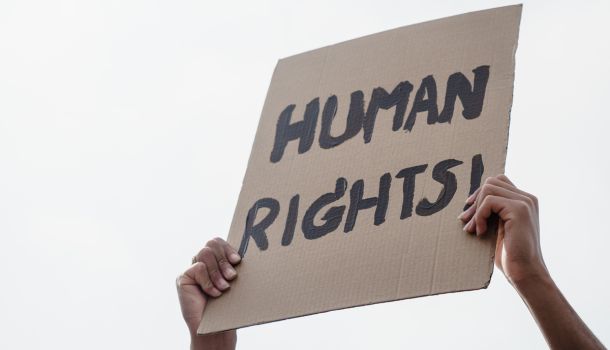
The Zimbabwe Peace Project (ZPP) has urged the government to strengthen civic freedoms, protect cultural rights and ensure meaningful public participation, warning that exclusion and discrimination could undermine lasting peace.
In its September monitoring report, ZPP welcomed the government’s invitation to United Nations Special Rapporteur on cultural rights Alexandra Xanthaki to visit Zimbabwe, describing the engagement as an opportunity to strengthen human rights protections, social cohesion and inclusive development.
In her preliminary observations following her 2026 visit, Xanthaki recognised Zimbabwe’s cultural diversity, including its 16 constitutionally recognised languages and rich heritage. However, she raised concerns about restrictions on civic space, artistic freedom, discrimination and limited public participation in decision-making.
The report highlighted fear-driven self-censorship, administrative barriers and the exclusion of dissenting voices as challenges requiring attention. It also stressed the importance of involving communities in tourism and development projects affecting their cultural heritage.
On this topic
ZPP said the findings should provide an opportunity for constructive engagement, arguing that respect for human rights and the accommodation of diversity were essential to sustainable peace.
“Peace extends beyond the absence of violence; it requires investment in institutions that protect rights, accommodate diversity, address grievances and enable citizens to participate meaningfully in decisions affecting their lives,” the organisation said.
It warned that restrictions on freedom of expression, exclusion and discrimination could deepen grievances, erode public trust and strain relations between communities and the State.
Conversely, ZPP said, open dialogue, accountable governance and inclusive development could strengthen social cohesion and improve relations between citizens and public institutions.
The organisation urged the government to translate Xanthaki’s observations into practical reforms that protect cultural expression, expand civic participation and remove unnecessary administrative restrictions.
It also called for development projects, particularly those involving tourism and heritage resources, to reflect community priorities and uphold environmental sustainability.
ZPP said public consultation should go beyond informing communities about proposed projects to ensuring their views influence decisions and that they benefit fairly from development.
The organisation said the impact of Xanthaki’s visit would ultimately depend on whether her findings led to concrete action, institutional accountability and sustained dialogue.
The Special Rapporteur’s report to the United Nations Human Rights Council, expected in March 2027, will provide a further opportunity to assess progress and identify areas for cooperation.
ZPP said Zimbabwe should use the engagement to strengthen human rights protections, build public trust and advance a more inclusive and sustainable peace.



Leave a Reply