

Zimbabwe is seeking affordable climate-friendly technologies to tackle drought, water scarcity and land degradation, while attracting investment in renewable energy and climate-smart agriculture.
The government is updating its Climate Technology Needs Assessment to identify practical solutions that can strengthen climate resilience and support low-emission development.
The initiative is being led by the Ministry of Environment, Climate and Wildlife in collaboration with the United Nations Development Programme (UNDP), with funding from the Green Climate Fund.
It is also intended to strengthen private sector participation, mobilise climate finance and develop projects capable of attracting investment.
On this topic
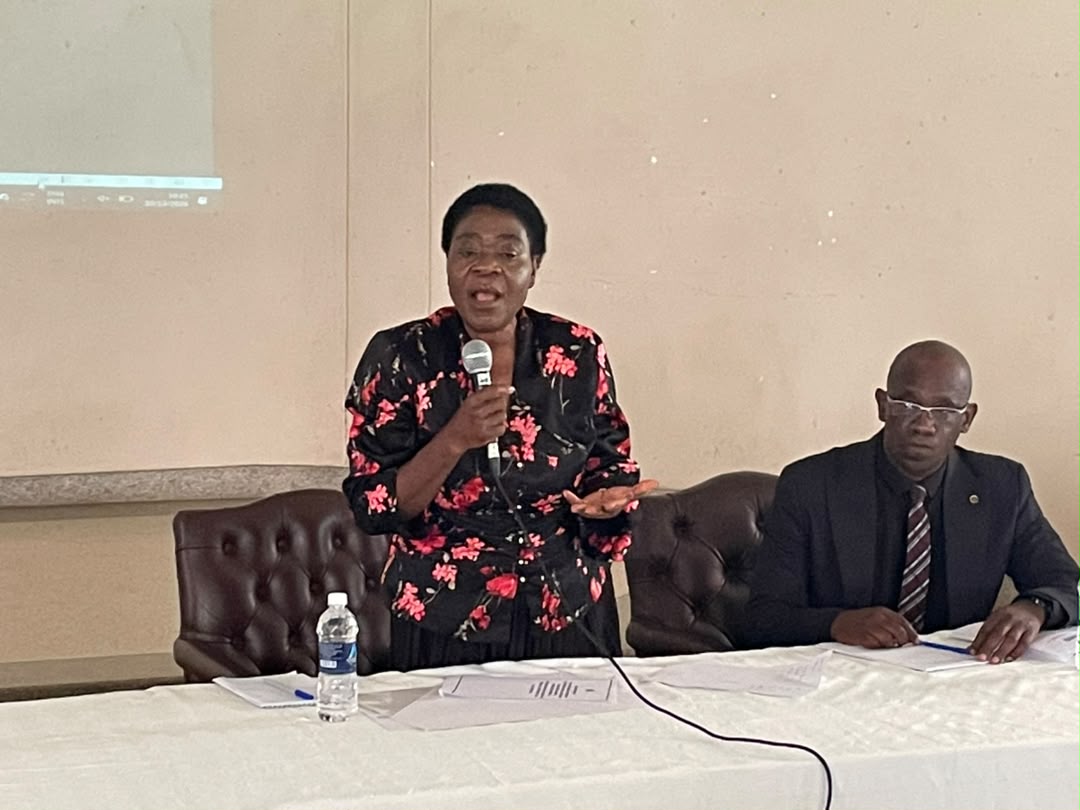
Speaking at a stakeholder workshop in Bulawayo on Monday, Dingane Sithole, the assessment’s lead consultant, said consultations were helping identify technologies suited to the climate challenges and development priorities of different regions.
“We are looking at the technologies that we need to address the climate change problem. These technologies must deal with the causes and also the drivers of climate change, and they must also help us to respond to the climate change impacts,” he said.
The workshop brought together stakeholders from Bulawayo Metropolitan Province, Matabeleland North, Matabeleland South and the Midlands to identify technologies for climate change mitigation and adaptation.
Permanent Secretary for Environment, Climate and Wildlife Simon Musanga, represented by Acting Deputy Director for Climate Finance and Resource Mobilisation Munashe Mukonoweshure, said the regions faced significant climate risks, including recurring droughts, water shortages and land degradation.
However, he said they also offered opportunities for investment in renewable energy and climate-smart agriculture.
Musanga said the previous technology assessment, conducted more than two decades ago, needed updating to reflect changes in climate science, technology, markets and financing opportunities.
“There is therefore a clear need to update our assessment and identify technologies that are suitable, affordable, scalable and capable of supporting climate-resilient and low-emission development under current and future conditions,” he said.
He urged stakeholders to prioritise solutions that improve food and water security, expand access to renewable energy, strengthen industrial competitiveness and create sustainable livelihoods.
He also called for gender equality and social inclusion to be integrated into the process to ensure vulnerable communities benefit from climate investments.
“The true measure of success will not be the reports we produce, but the investments we mobilise, the technologies we deploy and the positive impact we deliver to communities across Zimbabwe,” Musanga said.
Sithole said earlier scoping workshops had identified potential technologies, with the latest consultations intended to refine priorities before they are incorporated into the national assessment.
Options under consideration include conservation agriculture, renewable energy for households and industry, electric vehicles, solar-powered water pumps and early warning systems.
The assessment is also considering indigenous methods of predicting climate-related hazards.
Sithole said livestock production was a key concern in the regions represented at the workshop, where recurring droughts can leave farmers struggling to secure adequate animal feed.
“Obviously, we know that these regions are livestock regions, so the technologies that have to do with dealing with those shortages of stock feed were also highlighted,” he said.
He cited hay balers as one option that could help farmers prepare for feed shortages during prolonged dry spells.
Water harvesting, solar-powered groundwater pumping, electricity generation and improved waste management were also identified as potential priorities.
Sithole said the assessment would produce a technology action plan outlining priority technologies, implementation responsibilities, financing requirements and potential partners.
The plan is expected to guide resource mobilisation and support the deployment of selected technologies.
He also highlighted the importance of early warning systems in helping communities prepare for and respond to climate-related disasters.
Technology could also be used to map underground fires associated with coal burning in areas such as Hwange, he said, helping authorities identify risks and develop appropriate response measures.
Alongside the technology assessment, the project seeks to increase private sector participation in climate action through a roadmap focused on business engagement and climate finance.
Musanga said government funding alone would not be sufficient to finance the transition to a climate-resilient, low-emission economy.
Banks, investors, businesses, entrepreneurs and development partners would therefore have an important role in mobilising capital and accelerating implementation, he said.
UNDP project coordinator Solomon Mutambara said the programme aimed to improve the assessment of climate technology needs, increase private sector participation in climate finance and generate more high-impact climate investments.
Climate change expert Lawrence Mashungu said private sector involvement remained limited, prompting consultations to establish the barriers preventing businesses from investing in climate-friendly technologies.
“Private sector participation in this has been very limited. So what we are doing right now is to have a consultative workshop where we want to get information from the private sector themselves and also other stakeholders to see what specifically are the barriers that are there for the private sector to fully participate in climate action,” he said.
Mashungu said consultations in Bulawayo, Mutare and Harare had identified inconsistent policies, conflicting institutional mandates, high capital costs and limited technical capacity as some of the obstacles.
He said the high cost of borrowing in Africa made it difficult for businesses to adopt emerging technologies, which could be more expensive than conventional alternatives.
“There is a need for innovative ways of financing those to reduce their costs. Because naturally in Africa, the cost of capital is high compared to developed countries where the cost of capital is low,” he said.
Mashungu added that businesses needed training and technical support to understand climate change risks and develop viable climate-related projects.
The consultations are expected to inform a roadmap outlining ways to address these barriers and attract more private investment.
Together, the initiatives are intended to help Zimbabwe identify suitable climate technologies, develop investment-ready projects and mobilise financing for climate resilience and low-emission development.






Leave a Reply