
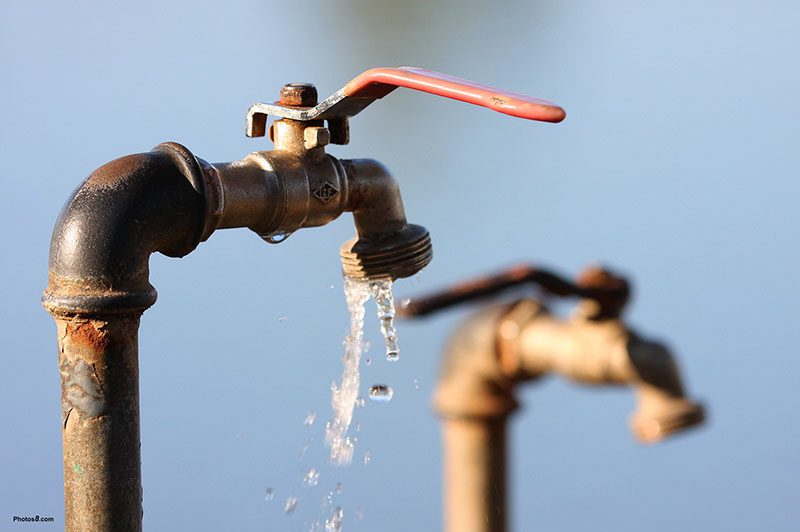
The Our Water, Our Rights Africa Coalition (OWORAC) has called on African governments to increase public investment in water and sanitation and reject privatisation, warning that commercial approaches could make water less affordable for low-income households.
In a statement marking Africa Week of Action Against Privatisation 2026, held under the theme Reclaiming Africa’s Water Future: Public Water for All, the coalition said access to safe, affordable and reliable water should remain a public responsibility and a human right.
OWORAC said water access across Africa was being affected by inadequate public investment, population growth, rapid urbanisation and climate pressures.
The coalition also raised concern about the growing involvement of private companies in water services, arguing that transferring public responsibilities to commercial interests could deepen existing inequalities.
On this topic
“This year’s mobilisation comes at a critical moment for the continent, as water takes centre stage in Africa’s development agenda and in global policy discussions,” OWORAC said.
It called on governments to establish measurable national and regional funding commitments for water and sanitation, adequately finance public water utilities and protect them from commercial interference.
The coalition also urged greater transparency in water-related contracts, financing arrangements, tariffs, resource allocations and expenditure.
It said communities, workers, women and other affected groups should have a meaningful role in decisions about water management and service delivery.
OWORAC called on governments to reject privatisation, concessions, public-private partnerships, management and lease contracts, outsourcing and prepaid water-meter systems where these transfer control or delivery of public water services to commercial interests.
Millions lack access to safe water
The coalition said millions of people across Africa continued to lack safely managed drinking water and sanitation, with low-income households and rural and underserved urban communities among the most affected.
Citing global figures for 2024, OWORAC said 2.1 billion people lacked safely managed drinking water, while 3.4 billion lacked safely managed sanitation.
In sub-Saharan Africa, 167 million people relied on limited drinking-water services, accounting for more than half of the global population using services at that level, according to the coalition.
OWORAC said inadequate public water supplies forced many households to rely on vendors, public standpipes, private boreholes and water tankers, often paying more for water without reliable assurances of its quality or safety.
“Research on urban water access in sub-Saharan Africa has found that low-income households dependent on vendors may pay 10 to 20 times more per unit of water than wealthier households connected to public networks,” the coalition said.
It described this as a “poverty penalty”, in which people with the lowest incomes could end up paying the highest prices for an essential service.
Concerns over commercial water systems
OWORAC said public-private partnerships, concessions, commercial tariffs and prepaid water meters were increasingly being presented as solutions to infrastructure gaps and funding pressures.
However, it warned that making access to water dependent on a household’s ability to pay upfront could worsen existing inequalities.
The coalition also raised concerns about what it described as the potential consequences of privatisation, including infrastructure neglect, labour abuses and environmental degradation.
It argued that governments should address years of inadequate public investment by strengthening public institutions rather than transferring responsibility for water services to private companies.
OWORAC called for increased investment in water infrastructure and workers, improved data collection and planning, and stronger protection of public water resources.
It also stressed the need for greater community participation in decisions affecting access to water.
“Africa’s water future cannot hinge on attracting more private investment. It must be built on functioning public water systems that people can rely on,” the coalition said.
The statement comes as debates over how to finance and manage water infrastructure continue across the continent, with governments facing pressure to improve services amid growing demand and funding constraints.







Leave a Reply