
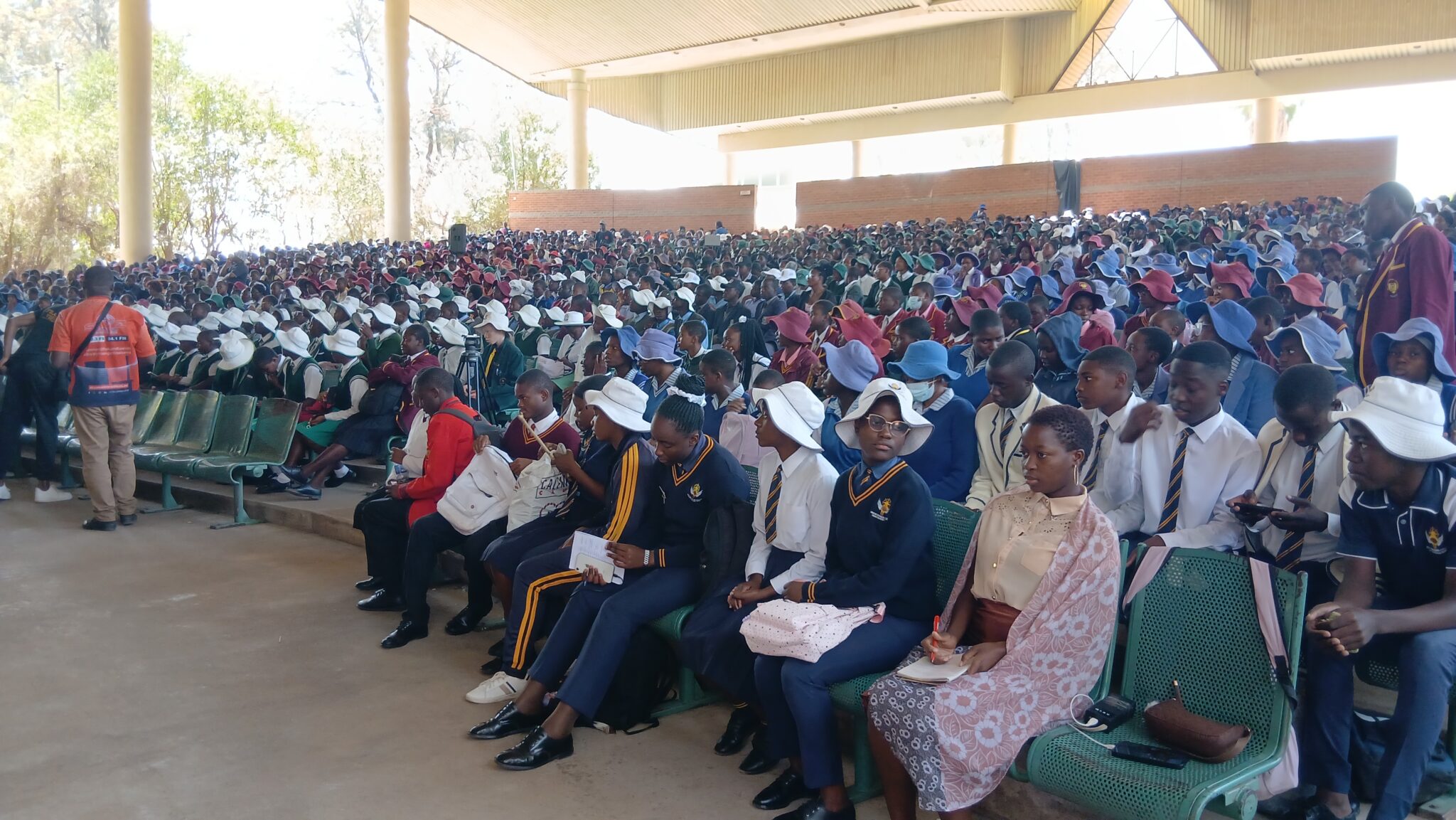
The fifth edition of the Ndebele Literature Festival has brought together about 80 schools from across Zimbabwe to promote the Ndebele language and literature while raising awareness of issues affecting learners, including drug and substance abuse.
The festival opened at the Amphitheatre in Bulawayo on Thursday, with schools from Matabeleland North, Matabeleland South, the Midlands and Masvingo taking part.
Ndebele Literature Festival director Precious Moyo said the event was designed to give learners an opportunity to engage with Ndebele culture and literature while connecting them with services and skills that could benefit them beyond school.
“The aim of the festival is to gather students to learn more about Ndebele culture and literature from O Level and A Level. Its aim is also to bring together students and teachers who may need help with psychosocial support, as well as authors who publish books and organisations that equip schools and colleges,” Moyo said.
On this topic
She said the festival also exposes learners to practical skills such as writing and driving, which they could use after leaving school.
“We also have people from driving schools so that students, when they leave school, will have knowledge on how to get a driver’s licence, how to write a book and several other qualities that they can develop once they are done with school and have passed,” Moyo said.
Moyo said she was encouraged by the participation of schools from different provinces, including Masvingo, where some pupils study Ndebele.
“There are 80 schools here and what I am really happy about is that there are schools from Masvingo too, such as Nikita Mangena Secondary School, where there are other people who also learn Ndebele. We have been trying to get schools from Masvingo for some time and I’m happy to say this is their first time here,” she said.
The festival includes drama and poetry based on prescribed Ndebele literature books, allowing learners to see texts they study in the classroom performed on stage.
“For the activities, we have incorporated drama and poetry from the books that they learn in schools so that the children can see the set books that they read being acted out. This can teach the child as they are learning and help them discover whether they would want to become a producer or an actor. A child must learn not only to read but also to learn to do things themselves,” Moyo said.
The organisers are also using the festival to raise awareness about drug and substance abuse, with Moyo saying the message is more effective when delivered in a language familiar to learners.
“We are also teaching the children to refuse drugs and substance abuse so that they can have a future for tomorrow. Most children are indulging in substance abuse, so we are trying to communicate to them in their mother language rather than in English,” she said.
Moyo said using learners’ mother tongue could make it easier for them to understand and engage with the issue.
“If we communicate to them in English, it is sometimes difficult for them to listen and understand, but if we communicate to them in the language that they speak at home, it makes it much easier for them to understand,” she said.
Learners are also being encouraged to research the effects of drugs and share what they learn with their peers using language they commonly use in everyday conversations.
“We are teaching the children to find out the effects of the drugs that they are taking and they can present to their friends using the language that they use every day when they are talking to their friends,” Moyo said.
Festival spokesperson Liberty Ndaba said language was important in communicating information and addressing social problems in communities.
“Language is important in addressing issues that bother us. Language has power in disseminating information pertaining to drugs,” Ndaba said.
He said the language used to communicate a message could affect how seriously it was received, particularly when dealing with issues such as law enforcement.
“If a policeman arrests you speaking in English, you may not take him or her seriously, but if they arrest you speaking in your mother tongue, you will take him or her seriously. This shows you that the language that you use to communicate to enforce something is very important,” Ndaba said.







Leave a Reply