

AMNESTY International Zimbabwe has called for a prompt and independent investigation into the Lake Kariba ferry disaster that claimed 97 lives, including children, saying anyone found responsible for negligence or regulatory failures must be held accountable regardless of their position.
The human rights organisation said the investigation should establish whether preventable failures contributed to the disaster and make sure victims and their families have access to effective remedies and support.
“The authorities must conduct a prompt, effective, independent and impartial investigation into the Kariba boat disaster, with its findings, evidence and recommendations made public. Where negligence, misconduct or regulatory failures are established, those responsible must be held accountable in fair proceedings, regardless of their position or institution and victims provided with access to an effective remedy,” Amnesty said .
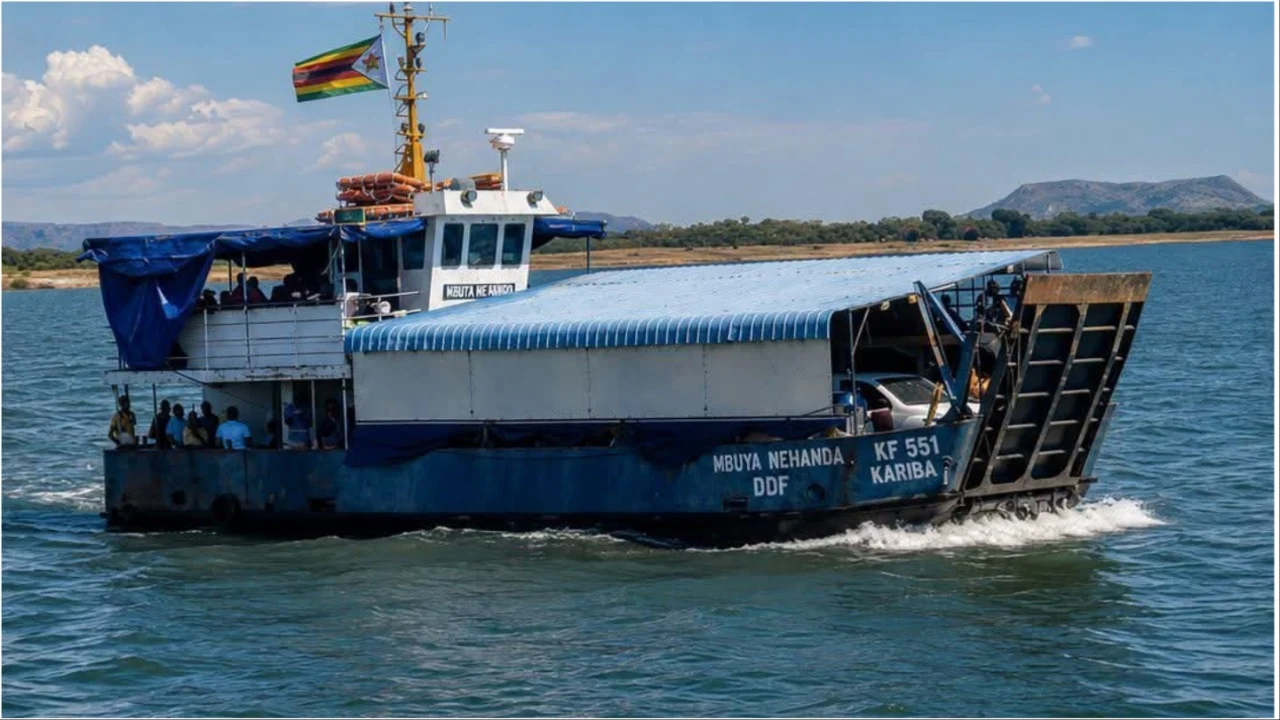
The ferry, the government-operated Rural Infrastructure Development Agency (RIDA) Mbuya Nehanda, capsized on August 11, 2026, near Long Island on Lake Kariba while travelling from Kariba towards rural communities and fishing areas around Chalala.
On this topic
The disaster has become one of Zimbabwe’s deadliest public transport tragedies, surpassing the 89 students and teachers who died in the Nyanga bus disaster on August 3, 1991.
Amnesty said authorities must make the findings, evidence and recommendations of the investigation public.
“Authorities must make sure that public or regulated transport services follow appropriate and adequate safety standards which are enforced and effectively monitored,” the organisation said.
It said the constitutional right to life placed an obligation on the state to take reasonable measures to protect people from foreseeable threats to their lives.
The government declared the tragedy a national disaster under Section 27(1) of the Civil Protection Act, a move Amnesty said should go beyond search and rescue and humanitarian assistance.
“The decision must go beyond the multi-agency search and rescue and humanitarian response; it must include a prompt, effective, independent and impartial investigation into the circumstances surrounding the Lake Kariba ferry disaster,” Amnesty said.
The call for an investigation comes amid reports that the 41-year-old vessel had experienced serious safety problems before the disaster, including part of the vessel breaking away, temporary engine problems and water entering the boat.
Amnesty said these reports should be investigated to establish whether authorities were aware of the risks and failed to act.
The organisation also raised questions over passenger safety after reports that the vessel, authorised to carry 90 people, was carrying significantly more passengers when it capsized.
It said the investigation should examine the vessel’s capacity, safety and licensing, weather conditions, crew decisions, safety procedures and enforcement of inland waterway regulations.
“Where negligence, misconduct or regulatory failures are established, those responsible must be held accountable in fair proceedings, regardless of their position or institution, and victims provided with access to an effective remedy,” Amnesty said.
The organisation said survivors who suffered injuries or other harm should receive prompt, adequate and accessible support, while families who lost relatives should have access to healthcare, including psychological and long-term care, as well as financial assistance where necessary.
The tragedy has also raised wider concerns about the state of transport infrastructure serving communities around Lake Kariba.
Political activists in Binga have argued the disaster cannot be viewed simply as a boat accident, saying years of neglect of the road network connecting communities in Binga and Nyaminyami to Kariba have left residents dependent on ageing boats for basic transport.
Read: https://cite.org.zw/kariba-
As the search for victims continued, activists said the deaths highlighted the consequences of infrastructure failures that have limited safer transport options for communities in the region.
Amnesty International said the government should urgently review safety standards governing transport on Zimbabwe’s inland waterways and align them with international best practices.
It called for regular and independent vessel inspections, adequate safety and emergency equipment, properly trained and tested crews, accurate passenger manifests, strict enforcement of boarding limits and effective warning systems.
The organisation also urged authorities to strengthen and adequately resource search and rescue services, while establishing safeguards and monitoring mechanisms to prevent a repeat of the tragedy.
“The loss of life must not simply be dismissed as an unavoidable accident if preventable failures may have played a role in the tragedy,” Amnesty said.





Leave a Reply