
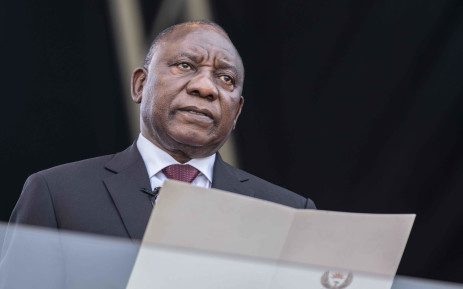
South Africa has pushed back against the World Health Organisation’s (WHO) condemnation of recent violence involving foreign nationals, arguing that some of the incidents cited by the international body have been mischaracterised and are not linked to xenophobic attacks.
The South African Presidency issued a statement on Monday saying it would engage the WHO through the Department of International Relations and Cooperation (DIRCO) to make sure the organisation has “accurate and reliable” information regarding the incidents that prompted the criticism.
This response comes after WHO Director-General, Tedros Adhanom Ghebreyesus, issued a strongly worded statement condemning a new wave of xenophobic violence in South Africa.
WHO said the attacks were “profoundly heartbreaking” and represented a betrayal of South Africa’s liberation history and Africa’s collective support during the anti-apartheid struggle.
On this topic
The organisation cited reports that at least five Ethiopians had been killed in earlier attacks and that five Mozambicans had died in violence in Mossel Bay, while warning that anti-migrant sentiment was threatening South Africa’s constitutional values and international standing.
Read:https://cite.org.zw/who-condemns-xenophobic-violence-amid-rising-anti-immigrant-tensions-in-sa/
However, the South African Presidency said the WHO’s account of the deaths of Ethiopian nationals was incorrect.
“Most notably, the WHO’s characterisation of the deaths of the Ethiopian nationals is, unfortunately, incorrect,” the Presidency said.
“The events that led to the deaths of these Ethiopian nationals fall within the realm of organised crime, as has already been publicly reported, and are being actively investigated by law enforcement agencies.”
The government added that the deaths of Mozambican nationals in Mossel Bay were also the subject of ongoing investigations by the South African Police Service (SAPS).
While expressing sympathy to the families of those who lost their lives, the South African Presidency cautioned against the spread of misinformation regarding South Africa’s migration challenges.
“The Presidency deeply regrets the tragic loss of life in these recent incidents, as one life lost is simply one too many. We extend our deepest sympathies to the families and communities affected,” the statement said.
The South African government said its forthcoming engagement with the WHO would provide a detailed account of how authorities are responding to migration-related tensions and violence.
The exchange comes amid growing scrutiny of South Africa’s handling of migration and rising anti-immigrant sentiment ahead of a June 30, 2026 deadline set by anti-immigrant activists such as March and March calling on undocumented migrants to leave the country.
The deadline has heightened fears among migrant communities and attracted concern from regional governments, human rights organisations and international bodies, which have warned against vigilantism and collective punishment.
In its statement, WHO urged South Africans to address concerns over migration through lawful processes rather than violence.
“Disagreements and grievances must be addressed by the justice system and the rule of law, never through vigilante violence and collective punishment,” the organisation said.
South Africa’s government said it shares that position, reiterating that immigration enforcement remains the responsibility of state institutions and not private citizens.
President Cyril Ramaphosa and the Inter-Ministerial Committee on Migration have been “unequivocal” that only authorised law enforcement officials have the mandate to enforce the law, the Presidency said.
A political commentator, Bernard Magugu said the South African government’s response reflects the increasingly “delicate balancing act” which they are facing authorities, trying to address public concerns over illegal immigration and avoiding an international row.
“At the same time, South Africa is trying to avoid the escalation of xenophobic tensions that we have seen breaking out into violence over the past two decades. What will be closely watched by the world is a test of South Africa’s commitment to the rule of law and the protection of everyone within its borders, regardless of nationality come the June 30 deadline,” he said.
South Africa hosts millions of migrants from across the continent, including significant communities from Zimbabwe, Mozambique, Ethiopia, Malawi and other neighbouring countries. Economic hardship, unemployment and pressure on public services have often fuelled tensions between local communities and migrants, creating fertile ground for anti-immigrant rhetoric.





Leave a Reply