

Livestock farmers in Hwange say their herds have declined sharply as pollution of the Deka River threatens a key source of water and livelihoods.
The concerns were raised during a community consultation by Parliament’s Portfolio Committee on Environment, Climate and Wildlife, which is investigating allegations of pollution linked to mining activities in the area.
The committee conducted a two-day verification visit to Hwange following a petition by the Greater Whange Residents Trust (GWRT), inspecting areas along the Deka River basin and meeting communities and mining companies named in the petition.
GWRT has raised concerns over the environmental impact of open-cast and underground coal mining, particularly the disposal of mining waste.
On this topic
In its petition to the Speaker of Parliament and MPs, the residents’ trust said rural communities, urban settlements and parts of Hwange National Park rely heavily on the Deka River for water.
The trust also warned that the expansion of coal mining was increasing the risk of environmental degradation and cited research pointing to rising pollution levels in the river.
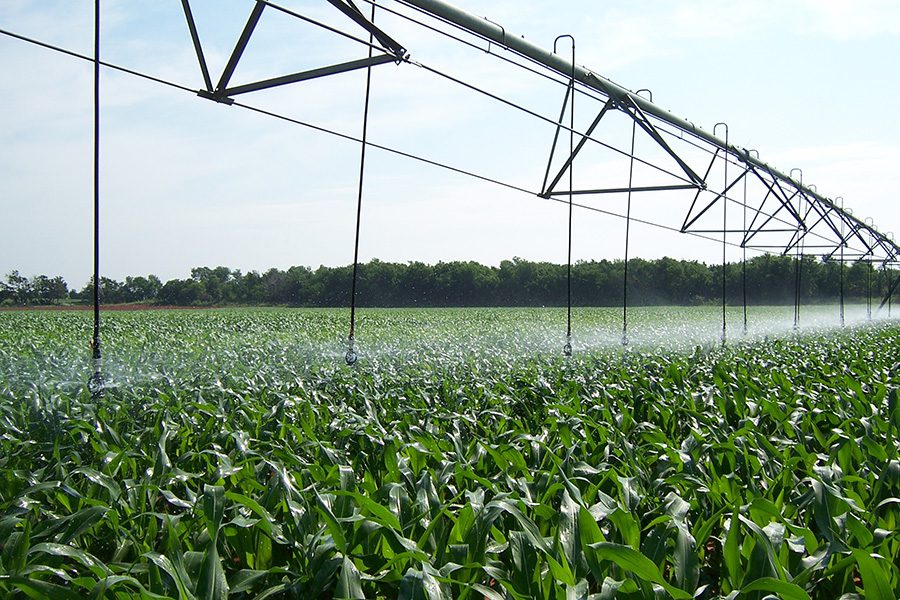
During the community meeting, residents said the deteriorating water quality was affecting livestock production, fishing and the potential for irrigation.
One resident said communities had traditionally relied on cattle but were now struggling to maintain their herds.
“Our cows drink that water. As Region 5, we are now depending on that water for our livestock,” the resident said.
“We are not receiving enough rain water for pastures, so we are now keeping goats and sheep.”
The resident said the number of cattle in the area had fallen significantly.
“We used to have a herd of cattle, but now even if you ask those at the dip tank, they will tell you that we have less than 2 000 cows in this area, but we used to have more than that,” the resident said.
“One person could have more than 50 cows, but due to that water our livestock has decreased. That is the challenge we are having.”
The decline in livestock was affecting household incomes, particularly in communities that rely on cattle to pay school fees, the resident said.
“We are appealing that you look for other ways to assist our livestock. As I have highlighted, we don’t have enough rain and we are depending on that livestock to send our children to school,” the resident said.
Residents also said pollution had affected other economic activities along the river.
“We could even do fishing in the river but it’s now difficult to survive. Even irrigation, people could grow vegetables along the river, so we are appealing for prevention so that the water doesn’t spoil our river,” the resident said.
The resident said younger generations had grown up without seeing the river in the condition older residents remembered.
“Our children don’t even believe us when we tell them how this river was. Children born around 1999 believe that Deka water is like sewerage water,” the resident said.
Another resident said farmers were experiencing reproductive problems among their cattle, which they attributed to the water.
“When talking about that water, we are in a tight situation. Most cows are now having stillbirths. Even if you try to treat these cows, it’s impossible due to the acids,” the resident said.
“Our cattle are now less than 1 000, and we used to survive on livestock. They are now a few.”
The resident appealed to the committee to take measures to protect the river from further pollution.
“We are appealing that you protect that river so that it doesn’t overflow during the rainy season,” the resident said.
Another resident said communities had been experiencing problems with the river since around 2008.
The complaints come amid growing scrutiny of the environmental impact of coal mining in Hwange, where several mining operations are located.
GWRT has called on Parliament to investigate coal extraction and mining waste disposal practices, arguing that they pose risks to communities, livestock and wildlife.
The residents want authorities to ensure that mining activities do not further compromise the Deka River, which remains an important source of water and livelihoods in Hwange.
The committee’s verification visit is expected to allow lawmakers to assess the allegations on the ground and hear responses from mining companies operating in the area.






Leave a Reply