
Zimbabwe is likely to experience a dry and erratic 2026/27 rainfall season, with the government warning that a strong El Niño could bring below-normal rainfall, prolonged dry spells and warmer-than-normal temperatures.
Environment, Climate and Wildlife Minister Evelyn Ndlovu told Cabinet on Tuesday that the country should prepare for reduced rainfall between October 2026 and March 2027.
Ndlovu said the national outlook was based on the regional climate forecast issued at the 33rd Southern African Regional Climate Outlook Forum, held in Swakopmund, Namibia, from August 25 to 28.
“The 2026/2027 rainfall season is expected to be influenced by a very strong El Nino which increases the likelihood of a below to normal rainfall season,” Ndlovu said.
On this topic
She said the October to December period was expected to receive below-normal rainfall, although conditions would vary across the country.
“The October to December 2026 period is expected to receive below-normal rainfall, although some areas could experience different conditions. The cumulative rainfall outlook indicates an increased likelihood of below to normal rainfall.
“Local variations cannot be ruled out, hence the need to exercise alertness as the El Nino phenomenon develops.”
Despite the overall dry outlook, some districts in Matabeleland South and Masvingo could receive near-normal rainfall in December.
The January to March 2027 outlook also points to continued dry conditions, particularly in the northern and eastern parts of the country, which have an increased likelihood of receiving below-normal to normal rainfall.
“The outlook indicates continued dryness for the three months, with less rainfall compared to long-term averages,” Ndlovu said.
Southern and western parts of the country are expected to receive normal to below-normal rainfall during the same period.
Ndlovu warned that the season could be marked not only by reduced rainfall but also by significant variations in when and where the rains occur.
“Generally, the rainfall season will be erratic in space and time with frequent dry spells, which may be extended in some months and feature warmer-than-normal temperatures,” she said.
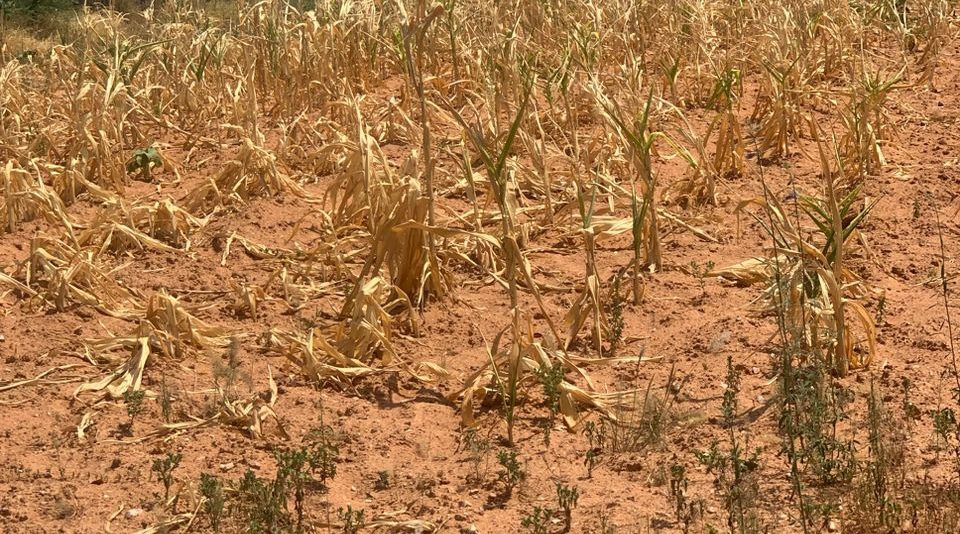
She said the conditions could put further pressure on water resources and rain-fed agriculture, particularly in areas affected by prolonged dry spells.
“Due to increased likelihood of reduced rainfall, ministries, departments, agencies and stakeholders are encouraged to strengthen contingency planning in order to mitigate potential humanitarian and socio-economic impacts.”
Ndlovu also called for increased water harvesting and conservation programmes to help communities cope with the expected reduction in rainfall.





Leave a Reply