
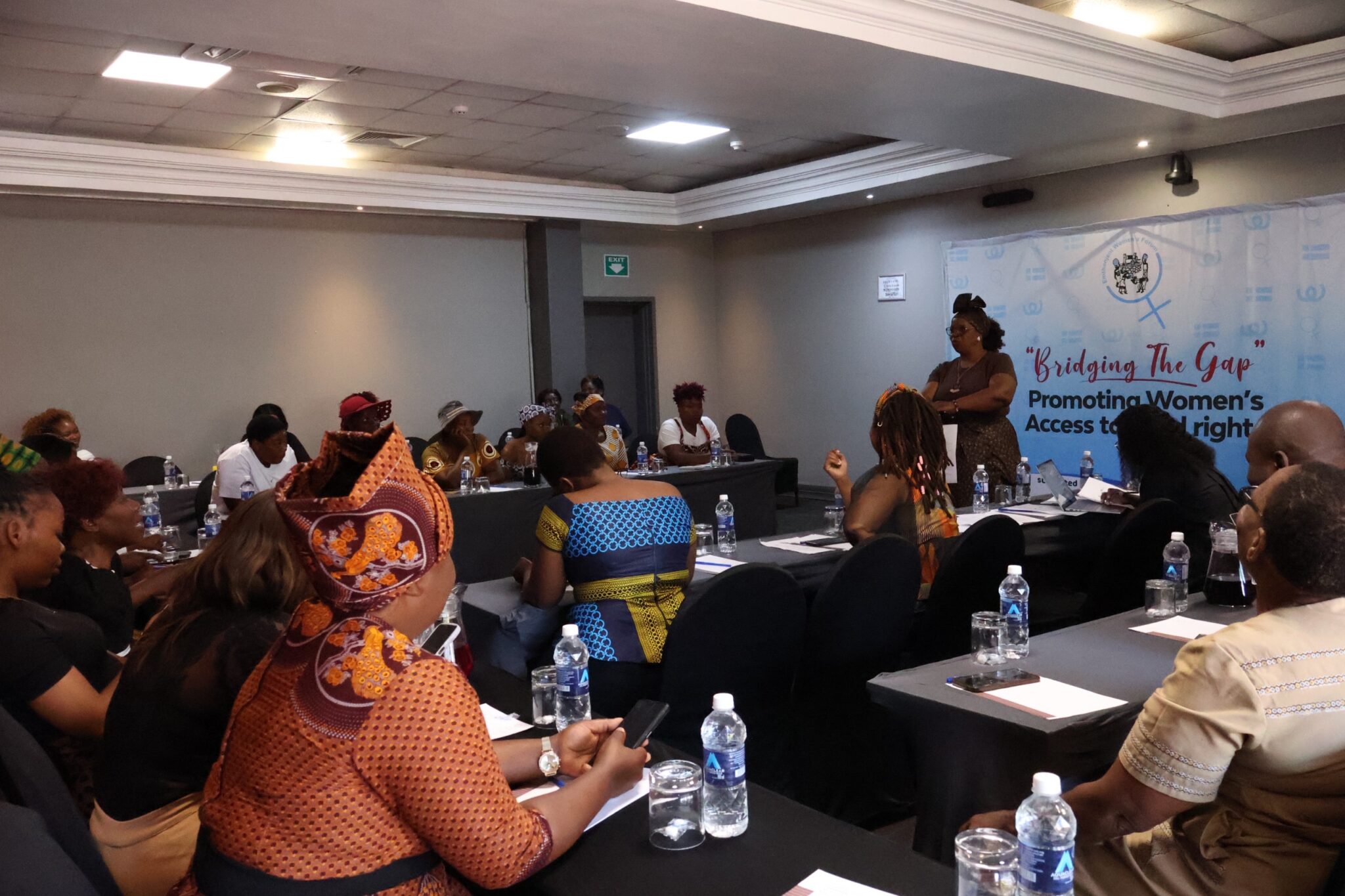
Women from Bulawayo and Insiza have called for greater recognition of unpaid care and household work, saying activities such as cooking, cleaning, raising children and caring for families make an important contribution to the economy despite rarely generating an income.
The concerns were raised during a discussion hosted by Emthonjeni Women’s Forum (EWF) in Bulawayo on Friday, which brought together women, feminists, activists, entrepreneurs and other stakeholders to discuss paid and unpaid work, livelihoods, care and access to resources.
Participants said unpaid household work was often treated as a routine responsibility rather than labour, despite the time and effort it required.
“We take care of families, cooking, washing and raising children. These may seem our everyday tasks but it’s work that we do,” said one participant.
On this topic
They said the lack of recognition of unpaid care work contributed to women’s economic vulnerability, particularly when they had limited access to productive assets and income-generating opportunities.
Women from rural areas also raised concerns about access to land, saying unmarried women in some communities were still being denied land.
They said this limited their ability to engage in agriculture and other economic activities, particularly in rural communities where land is a key productive asset.
Participants also said cultural, traditional and religious practices could undermine women’s economic empowerment, with women’s views not always taken into account in decision-making processes.
Zimbabwe Women Lawyers Association legal expert Swally Munherendi said women needed to understand the difference between having access to an asset and owning it.
“I would like to make emphasis on a saying that we have in the gender justice circle, that access is not ownership,” Munherendi said.
“When you have access to land, motor vehicles, houses among others but without these things being registered in your name, then you do not own them.”
She urged women to ensure that their names appeared on documents for assets they had acquired.
“Being registered as a dependent on a property document does not mean you own it. Being registered as a witness in an agreement of sale does not mean you are the owner,” she said.
“Make sure that when you are signing documents after buying assets, your name is there reflecting that you are the owner.”
Munherendi said adult literacy was another challenge, particularly for women seeking legal assistance.
“One of the challenges we face is adult literacy. There are forms that must be filled in by the clients and sometimes we end up taking more time assisting them to complete the forms,” she said.
She also cited transport costs as a barrier for women in remote areas seeking access to courts and legal clinics.
EWF programmes manager Plaxedes Moyo said the organisation was implementing the Closing the Gap: Promoting Women’s Access to Land Rights project in Insiza wards 7, 8 and 10 to improve women’s livelihoods.
“We are empowering them in various ways. They have nutrition gardens, drilling boreholes for them to improve access to water, we provide them with sewing machines, resources for goat breeding and fishing farming, so that they can raise capital to enable them to buy productive assets,” Moyo said.
She said helping women acquire productive assets could also contribute to reducing gender-based violence.
“Ownership of such assets helps to reduce cases of gender-based violence,” Moyo said.






Leave a Reply