
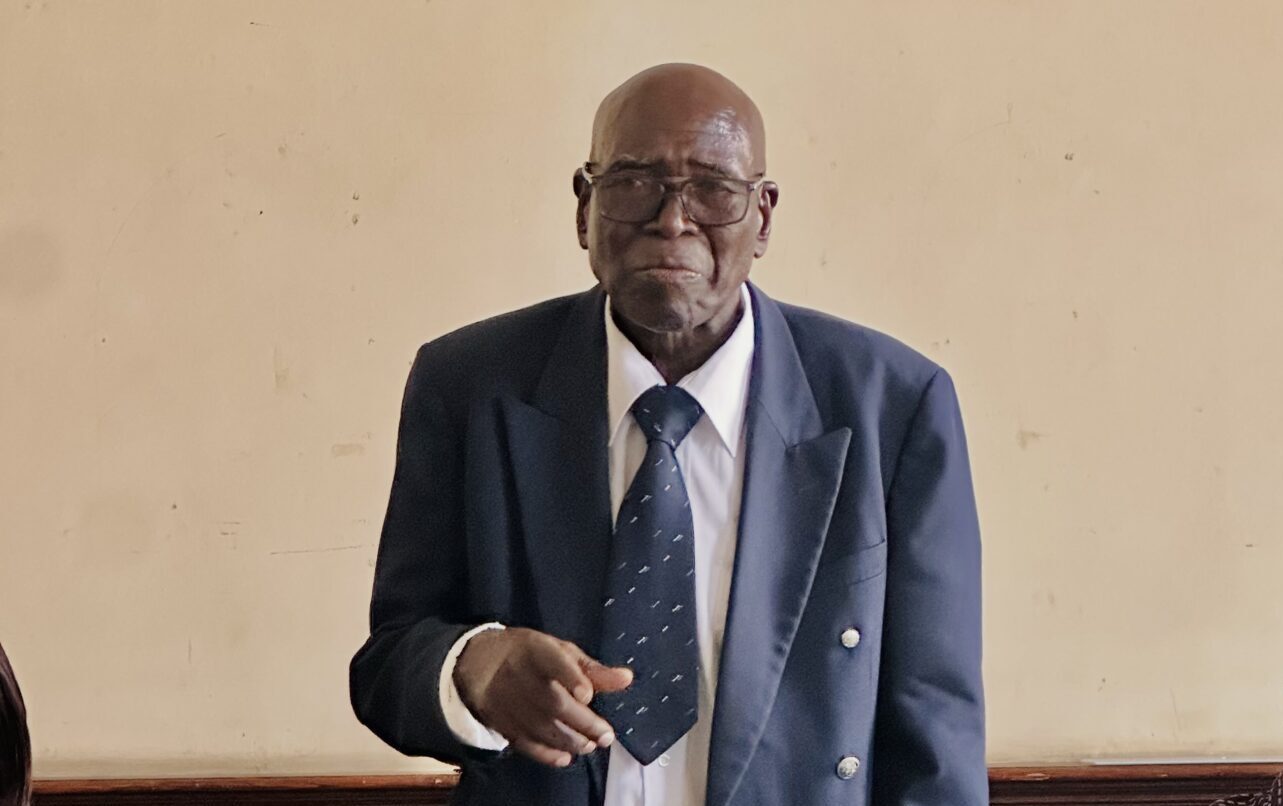
Surviving Zimbabwean liberation war veterans have been urged to document their experiences before they die, amid concerns that the loss of first-hand accounts and inaccuracies in published material could distort the country’s history.
Deputy Minister of Information, Publicity and Broadcasting Services, Omphile Marupi, made the call at the launch in Bulawayo on Thursday of three books documenting the life and experiences of liberation war veteran Moffat Linda Hadebe.
Marupi urged elderly people who participated in the liberation struggle to share their experiences to help preserve an accurate historical record for future generations.
“I am kindly asking the elderly who are here to open up their hearts and tell us their experiences and what they did during their time in the war,” he said.
On this topic
“When they talk about how the country was liberated, we will have something to talk about. Currently, we do not have enough to talk about because most of the stories are hidden or have not been told.”
He said researchers sometimes struggled to obtain information from people with first-hand knowledge until after their work had been completed, with some later requesting changes to published accounts.
Marupi said documenting veterans’ experiences was essential to recognising those who contributed to Zimbabwe’s liberation.
“We want to know the history of the people before us so that we can give them the credit they deserve and give them the respect,” he said.
Hadebe, whose experiences are documented in the three books, raised concerns about what he described as inaccuracies in accounts of the liberation struggle.
He said he had met a school pupil from Hwange who showed him a book used at the school which incorrectly identified him as a commander in the area.
“That is not true. That is the distortion that is going on about our history these days,” Hadebe said.
He warned that errors in historical records could be repeated by future generations as established facts, particularly when researchers failed to consult people who witnessed the events being documented.
VISIT OUR YOUTUBE PAGE FOR ENGAGING INTERVIEWS WITH LIBERATION FIGHTERS: https://www.youtube.com/@citezw/videos
Hadebe said only three of the 107 people from Bulawayo whom he knew had participated in the war were still alive.
“Right now, people do not learn the proper history at all,” he said, calling for greater efforts to teach accurate accounts of the liberation struggle.
Another speaker, Benny Moyo, said documenting the experiences of liberation war pioneers was a responsibility for the current generation.
“Our mandate is to fulfil the information gap, documented and disseminated,” he said.
Moyo also called for greater appreciation of the contributions of communities whose experiences may be underrepresented in historical accounts, drawing a comparison with the adoption of Greek literature by Roman civilisation.
He paid tribute to the pioneers behind the book project, saying their work offered an opportunity for future generations to learn from those who came before them.





Leave a Reply