

United Nations Resident Coordinator in Zimbabwe Dr Rosemary Kalapurakal has called for stronger partnerships between government, communities and the private sector to scale up climate-smart development initiatives as Zimbabwe faces growing climate-related challenges.
Kalapurakal made the call during a four-day visit to Matabeleland North from August 24 to 27, 2026 where she toured development programmes and investment initiatives in Victoria Falls and Hwange Rural District aimed at strengthening community resilience to climate shocks.
The visit focused on practical interventions in renewable energy, health, education, agriculture and conservation, including initiatives designed to help communities cope with drought and other climate-related impacts associated with El Niño.
Kalapurakal also participated in the eighth International Solar Alliance Regional Committee Meeting for Africa, which brought together African countries and international partners to advance solar energy deployment, investment and cooperation across the continent.
On this topic
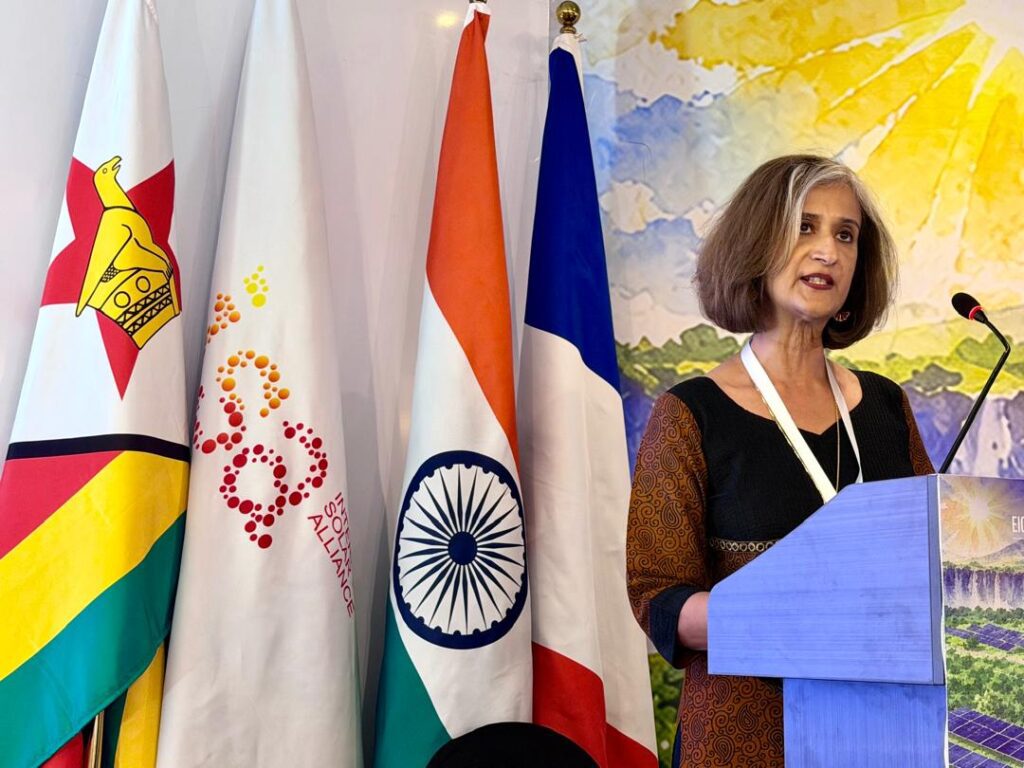
Her visit highlighted collaboration between the Government of Zimbabwe, the United Nations and development partners in advancing sustainable development priorities under the country’s National Development Strategies and the UN Sustainable Development Cooperation Framework.
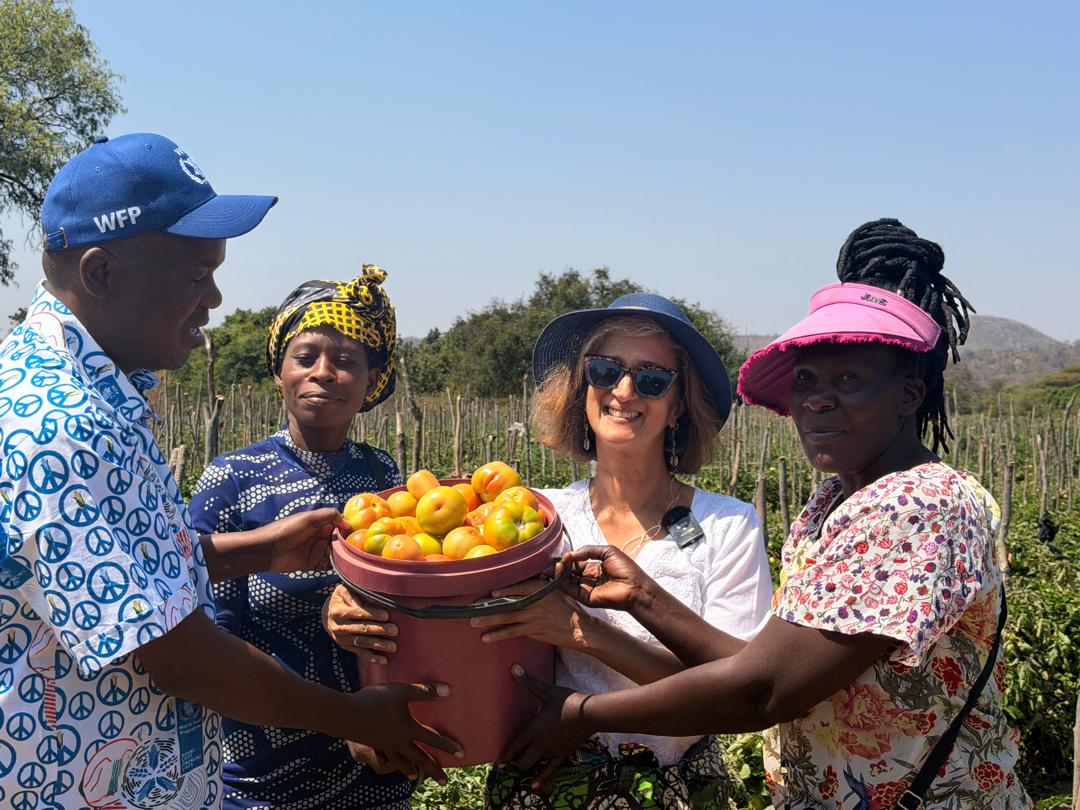
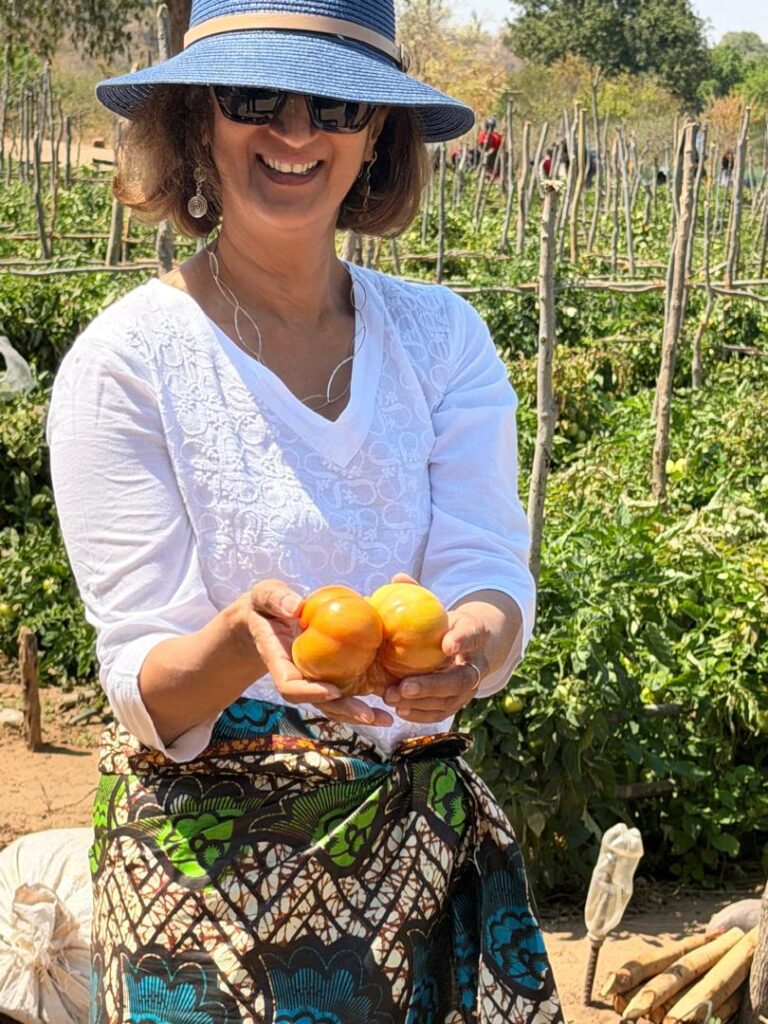
Among the programmes visited was the Kubudilila solar-powered nutrition garden, supported by the World Food Programme (WFP) and World Vision.
The initiative is helping improve food security and livelihoods through the use of solar energy, while strong community leadership and the participation of women have been central to sustaining the project.
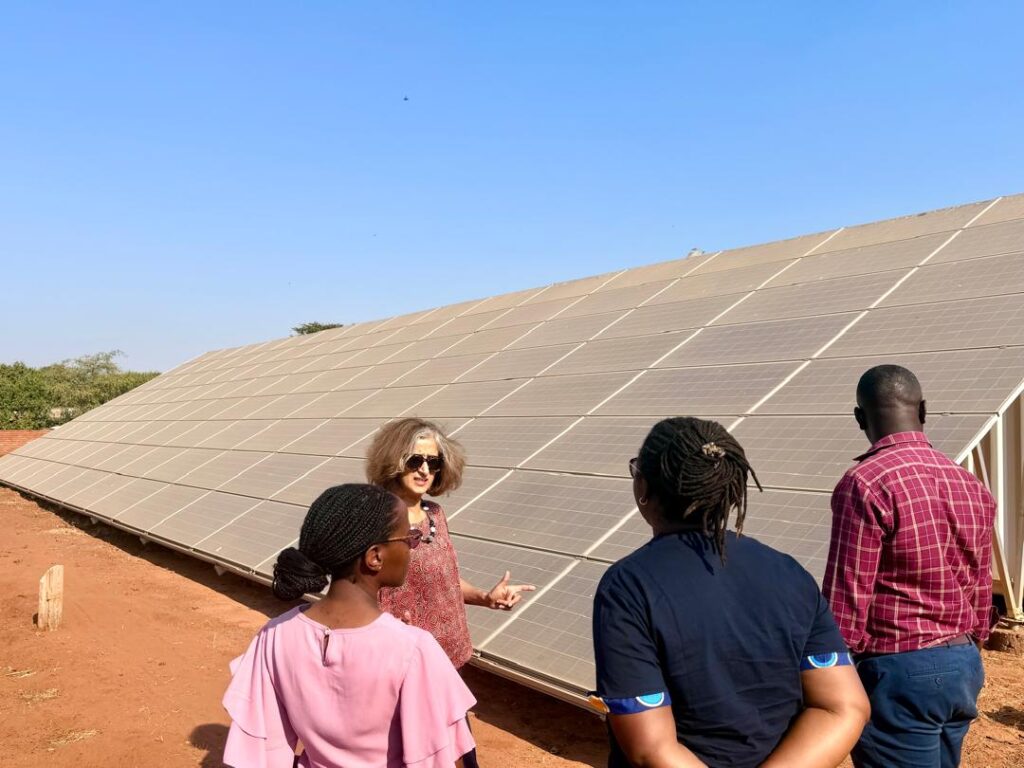
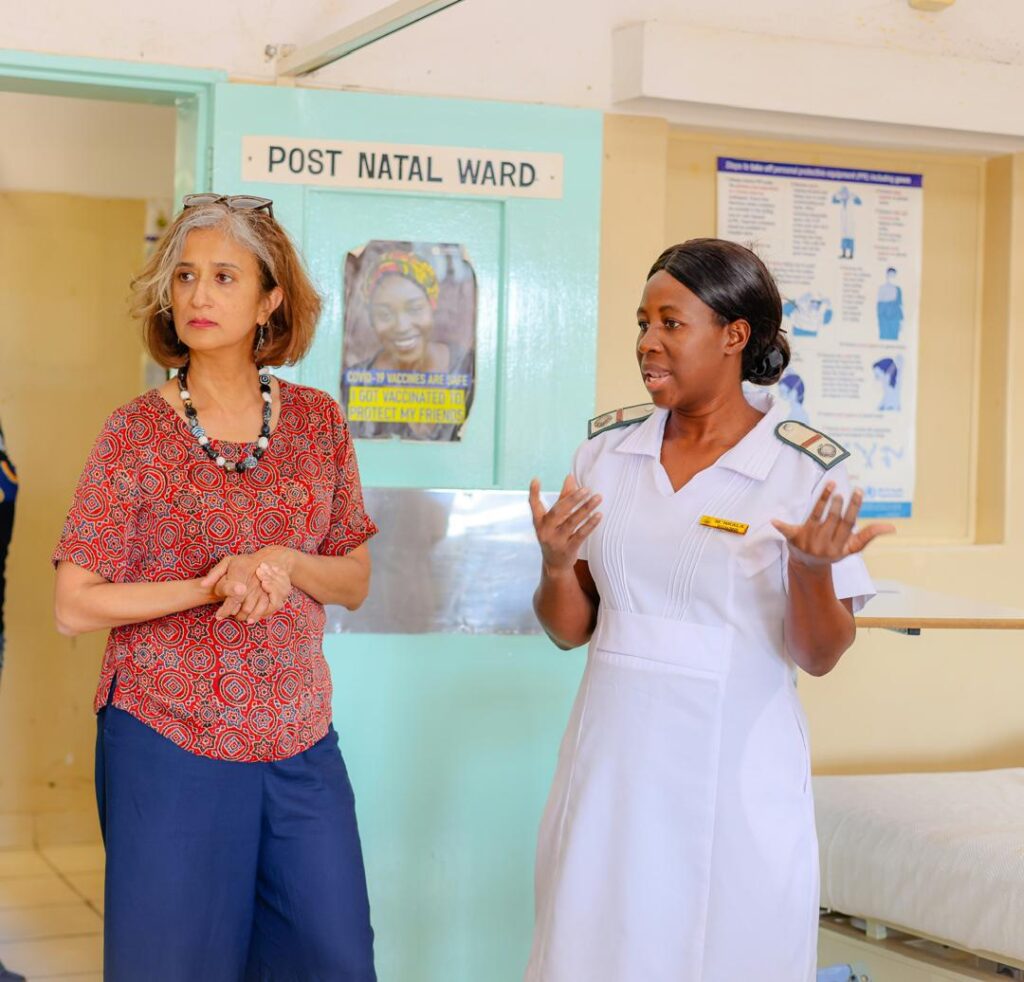
The Resident Coordinator also visited Victoria Falls District Hospital, where solar energy solutions supported by the United Nations Development Programme (UNDP) are being used to strengthen health service delivery.
She further visited three government secondary schools near Victoria Falls, Mkhosana Adventist, Ndlovu and Sizinda, where solar energy initiatives are supported by UNICEF in partnership with local authorities and private sector partner Wild Horizons.
The projects demonstrate how renewable energy can help address practical challenges facing communities, particularly in areas where unreliable electricity supplies can affect access to essential public services.
Beyond renewable energy and climate-smart interventions, Kalapurakal met with Hwange National Park management and other local stakeholders to discuss climate resilience, heritage protection, human-wildlife conflict and community-centred conservation.
The discussions came ahead of anticipated El Niño-related impacts during the 2026-2027 agricultural season, with stakeholders examining ways of strengthening communities’ resilience while protecting wildlife and ecosystems.
The visit also coincided with Zimbabwe’s hosting of the International Solar Alliance’s regional meeting for Africa, which focused on expanding solar energy deployment through structured programmes, investment pipelines and measurable development outcomes.
Zimbabwe’s hosting of the meeting highlighted the country’s efforts to position renewable energy as part of its broader development and green-growth agenda.
During a visit by First Lady, Dr Auxillia Mnangagwa, to the United Nations exhibition at the solar alliance meeting, Kalapurakal briefed her on the UN Joint Programme on Renewable Energy.
The programme is implemented by four UN agencies, the United Nations Capital Development Fund (UNCDF), UNDP, UNESCO and UN Women, in partnership with the Ministry of Energy and Power Development and Old Mutual Insurance Corporation.
The initiative seeks to expand access to renewable energy through a blended-finance model, including the establishment of a US$100 million Renewable Energy Fund.
The fund is being catalysed by an initial US$10 million contribution from the global UN Joint SDG Fund, matched by a further US$10 million from Old Mutual.
The model is intended to mobilise additional investment into renewable energy projects and help expand access to clean and affordable energy.
“The United Nations remains committed to supporting Zimbabwe’s efforts to build resilient communities, expand access to clean energy and promote sustainable development that leaves no one behind,” said Dr Kalapurakal.
Her visit comes at a time when communities across Zimbabwe continue to face the effects of climate variability, including drought, water shortages, declining agricultural productivity and increasing pressure on livelihoods.
The Victoria Falls-Hwange corridor provides a particularly important setting for such interventions because of its combination of tourism, conservation, agriculture, mining and growing communities, all of which are affected by climate and environmental pressures.
The UN said the mission demonstrated the importance of moving beyond individual projects towards partnerships capable of taking successful interventions to a larger scale.
The collaboration between government, UN agencies, communities and private sector actors was highlighted as critical to ensuring that climate interventions translate into tangible improvements in livelihoods and access to essential services.
The mission also reinforced the role of local communities in determining whether development initiatives remain sustainable beyond the period of external support.
Community participation, particularly the involvement of women in livelihood projects such as the Kubudilila nutrition garden, was highlighted as an important component of building lasting resilience.
The UN said the visit reaffirmed its continued partnership with the Government of Zimbabwe, communities, development partners and the private sector in advancing climate action, renewable energy access and inclusive socio-economic transformation.
It also underscored the need for continued investment in solutions that can simultaneously address climate vulnerability, poverty, energy access and the protection of natural resources.





Leave a Reply