
The National Association of Non-Governmental Organisations (NANGO) says it is stepping up efforts to help civil society organisations comply with Zimbabwe’s evolving regulatory framework as NGOs transition to registration under the Private Voluntary Organisations (PVO) Amendment Act.
The changes, which include the recently introduced General Import Regulations and the Risk-Based Supervision for Protection from Terrorist Financing Abuse Regulations, have introduced new compliance obligations for organisations operating in the country.
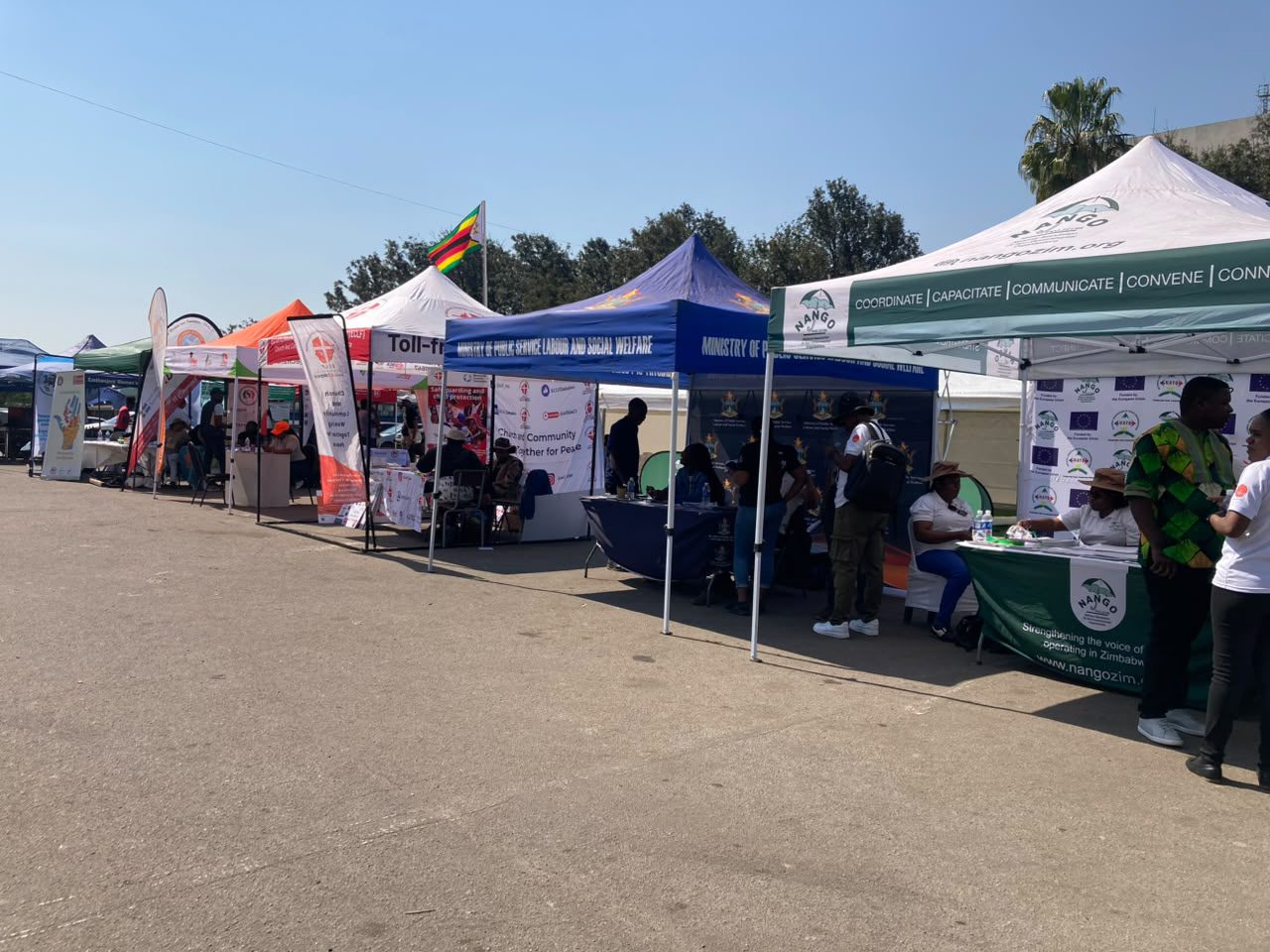
Speaking on the sidelines of the NANGO Regional NGO Expo and Winter School in Bulawayo, NANGO executive director Ernest Nyimai said the organisation was helping members understand the new legal requirements and complete the registration process.
“Our role is to support our members to understand the different regulatory frameworks that are being introduced. The first thing is to bridge the knowledge gap, and secondly to accompany them through the registration process,” Nyimai said.
On this topic
He said organisations previously registered as trusts or common law universitas are now required to transition to PVO status under the amended law.
To ease the process, NANGO has created platforms that bring NGOs together with regulators, enabling organisations to receive guidance directly from authorities while raising concerns over provisions that may be difficult to implement.
Nyimai said one challenge was the application of uniform regulations to organisations with different capacities.
“We have very small organisations and well-established national NGOs, yet the same rules apply to all. Going forward, we need to do more compliance accompaniment to help organisations navigate these changes,” he said.
“From our recent engagement with the PVO Registrar, we were informed that by March about 371 organisations had registered. When you add the more than 400 organisations already on the register, we are looking at around 700 organisations, which translates to about 85 percent compliance.
“However, we still believe a lot more needs to be done to ensure almost all organisations are able to continue operating without disruption while complying with the new legal requirements,” Nyimai said.








Leave a Reply